
Notes from the blog
Site news, seasonal recipe notes and practical meal-prep ideas — from the editors behind this archive.
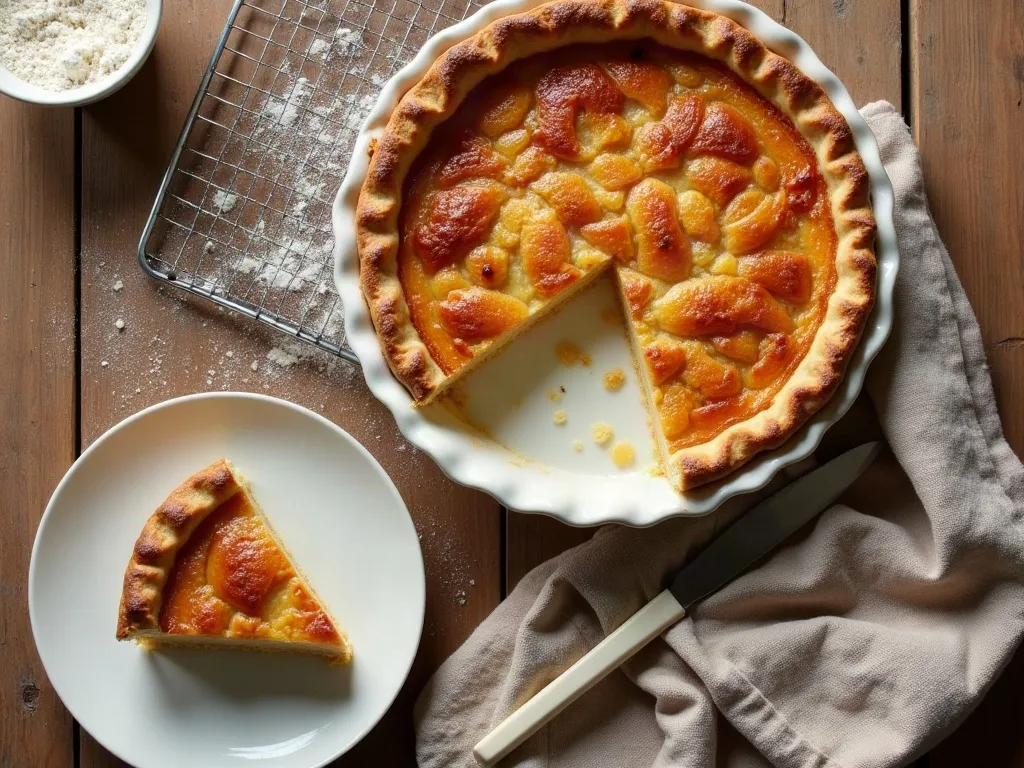
A Pie Finishes on the Counter
Most of the pies get baked today, and the part that decides whether they slice or flood happens after the oven goes off. A pie is one of the few things in a kitchen that is not done when the timer is.
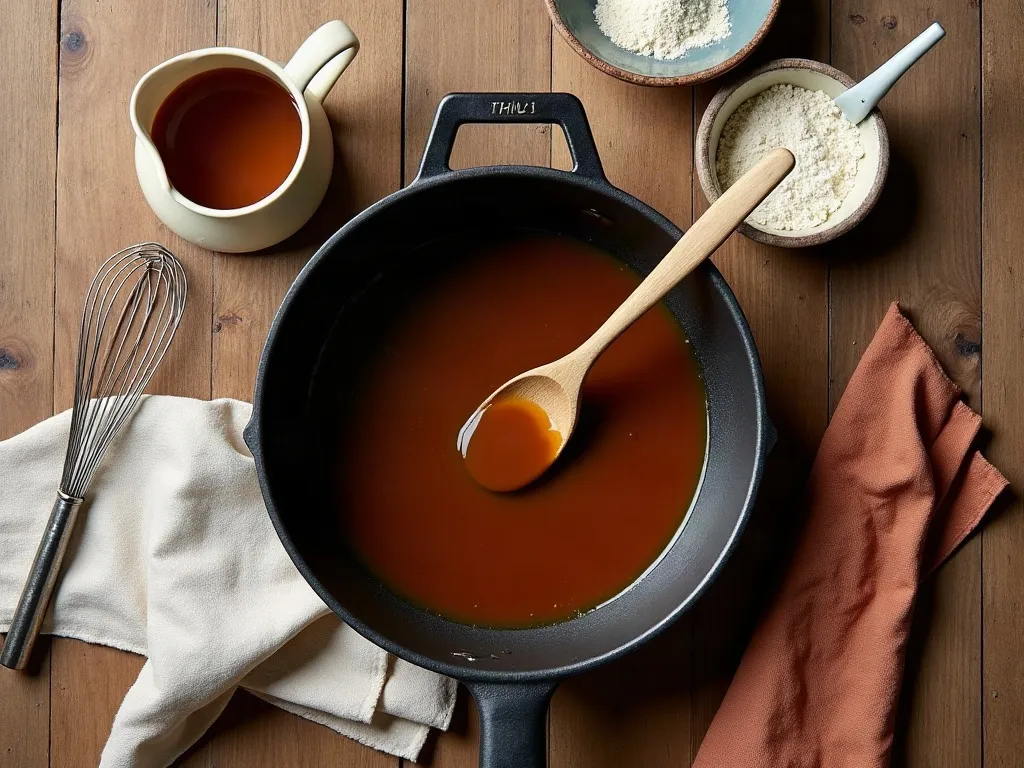
Gravy Begins When the Roast Ends
Every other dish on the table can be started whenever you decide to start it. Gravy is made of the meal it goes on, which is why it belongs to the ten minutes nobody has.
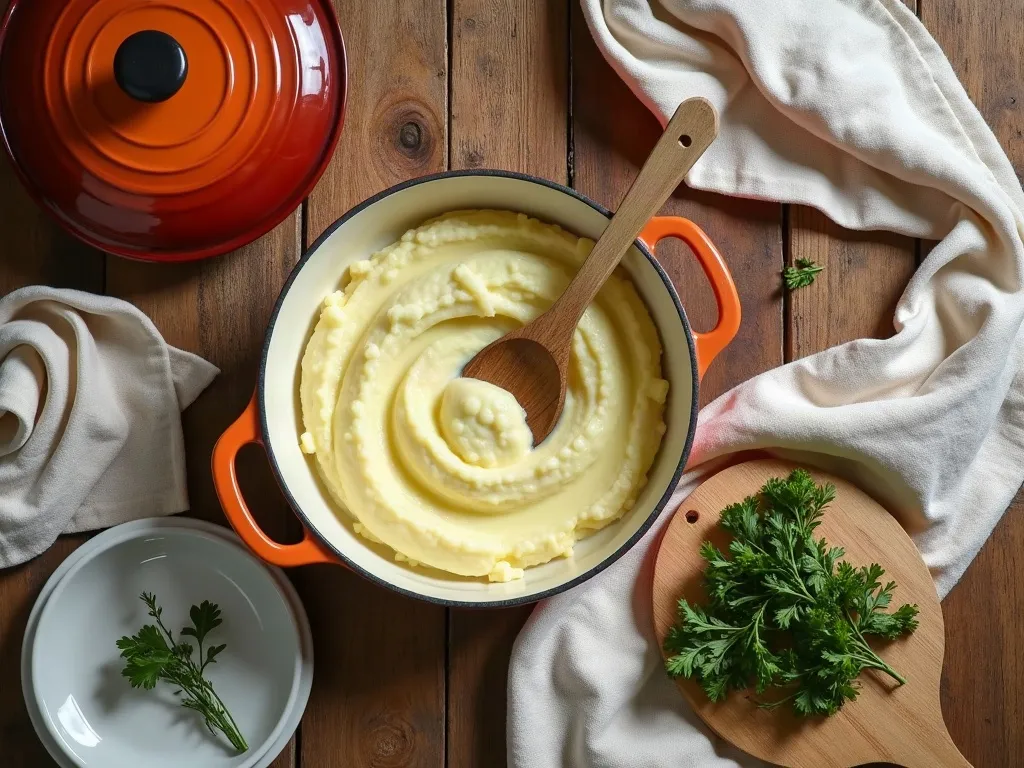
The Last Hour Is Not a Planning Failure
The days before a big meal run on one ambition: have as much as possible already done. Some components are only at their best in the last hour, and moving them earlier is exactly what damages them.
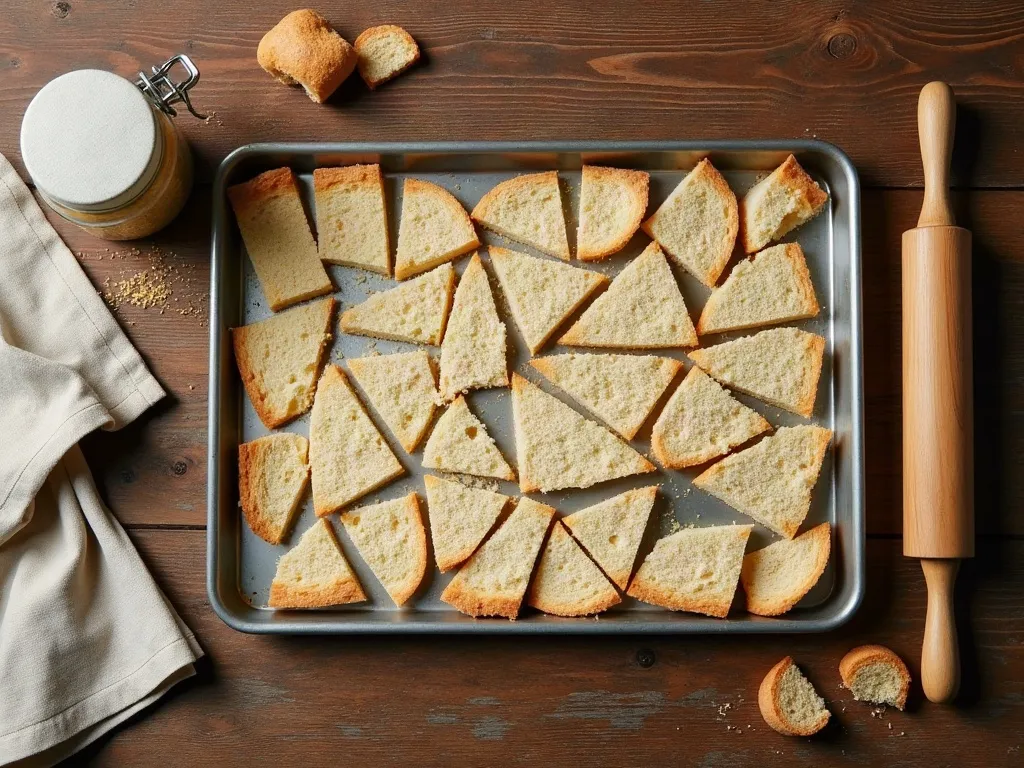
A Stale Loaf Is Only Half Done
The last third of a loaf gets thrown out in kitchens that spent the afternoon cooking. Drying is not decay — it is the step before crumbs, croutons and a baked dish, and it costs nothing but a tray on the counter.
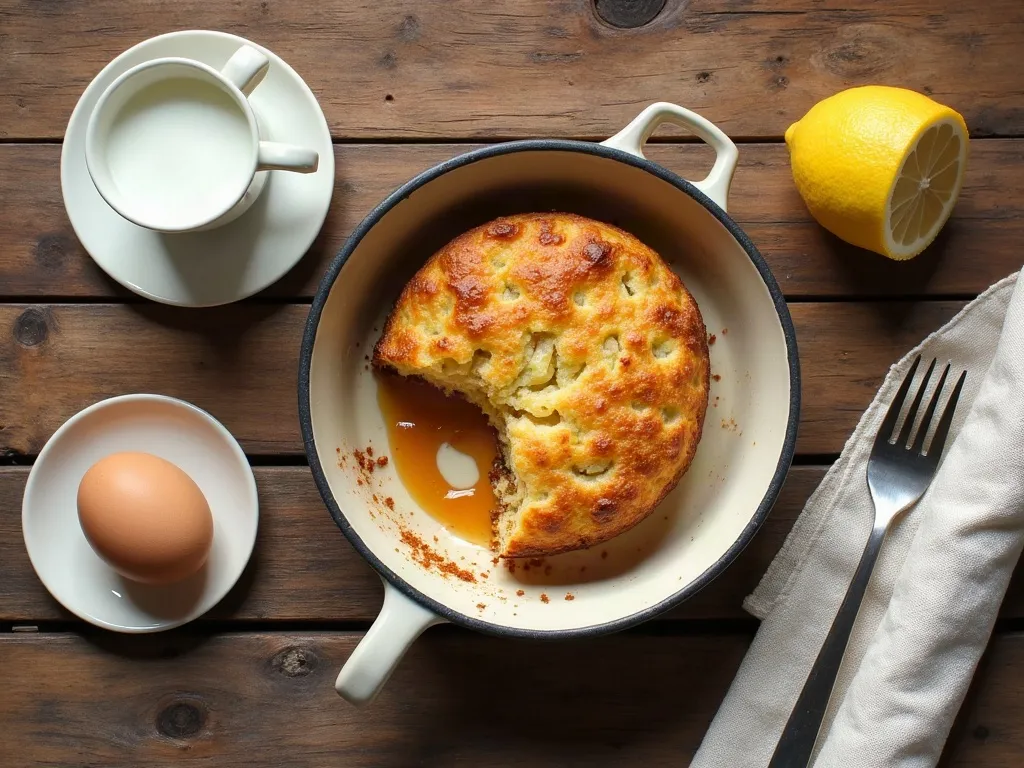
Half a Recipe Doesn't Halve the Work
Halving looks like the polite version of doubling, and it isn't. The numbers divide, the packages and the tin don't — and the surplus that paid for the effort disappears with them. Notes on which quantities halve honestly, and which meals were never batches in the first place.
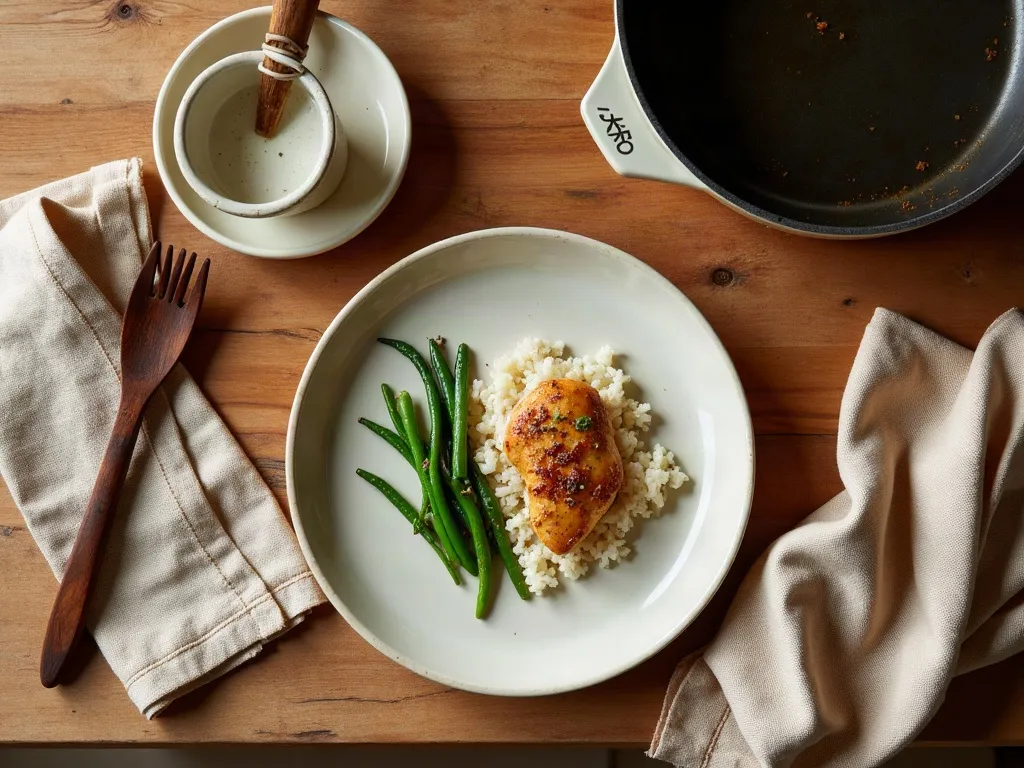
The Cook Is the Last One to Eat
The person who makes dinner spends the hour before it tasting, and by the time the plates go out their own appetite has been spent on questions. Notes on the smallest plate, the nine o'clock raid, and the one change of order that gives the cook their own dinner back.
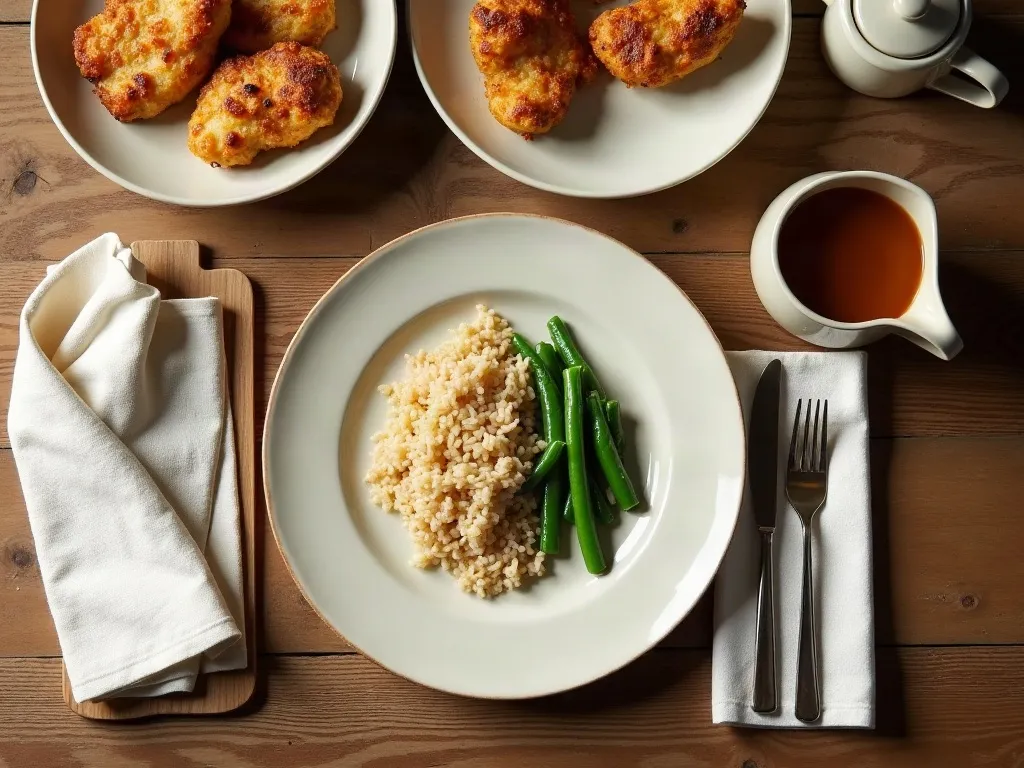
Somebody at This Table Doesn't Like It
Every household has one eater who will not touch a particular thing, and the plate that comes back with it pushed to the rim is not a verdict on the cooking. Notes on texture, sauce on the side, and the second dinner that costs more than it saves.
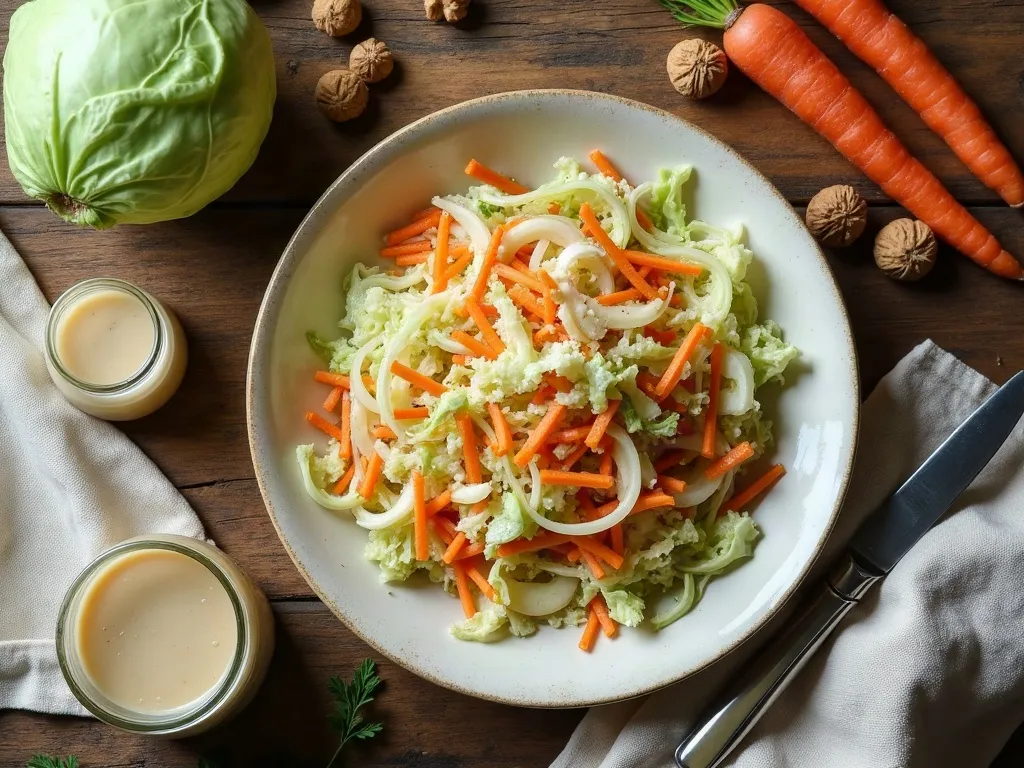
The Cold Half of the Plate
Lettuce stops earning its place somewhere in November, and the salad quietly leaves the table with it — which is how a whole winter of dinners ends up brown. Notes on what the cold half of the plate is actually for, what to build it from instead, and why it wants salt before it wants dressing.
Saturday Lunch Is Nobody's Job
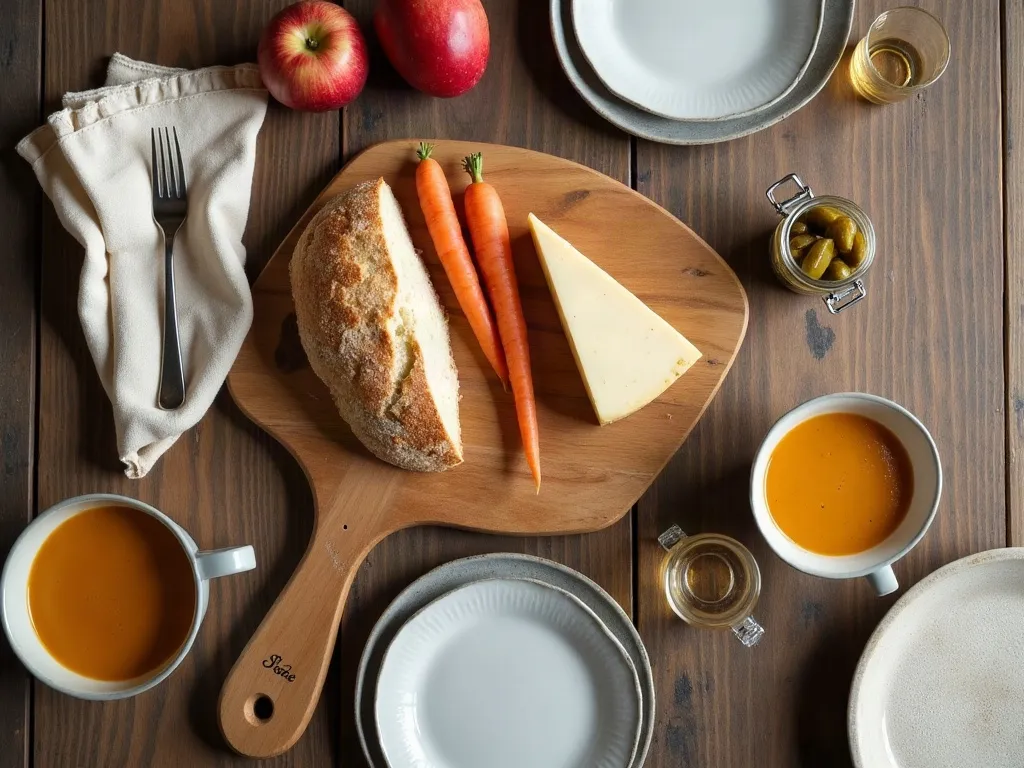
A packed lunch is designed — it has a box, a time and a limit on what fits. Lunch at home has none of those, which is why it drifts to three o'clock and takes dinner down with it. Notes on giving the midday meal a shape.
The Dinner That Starts Last
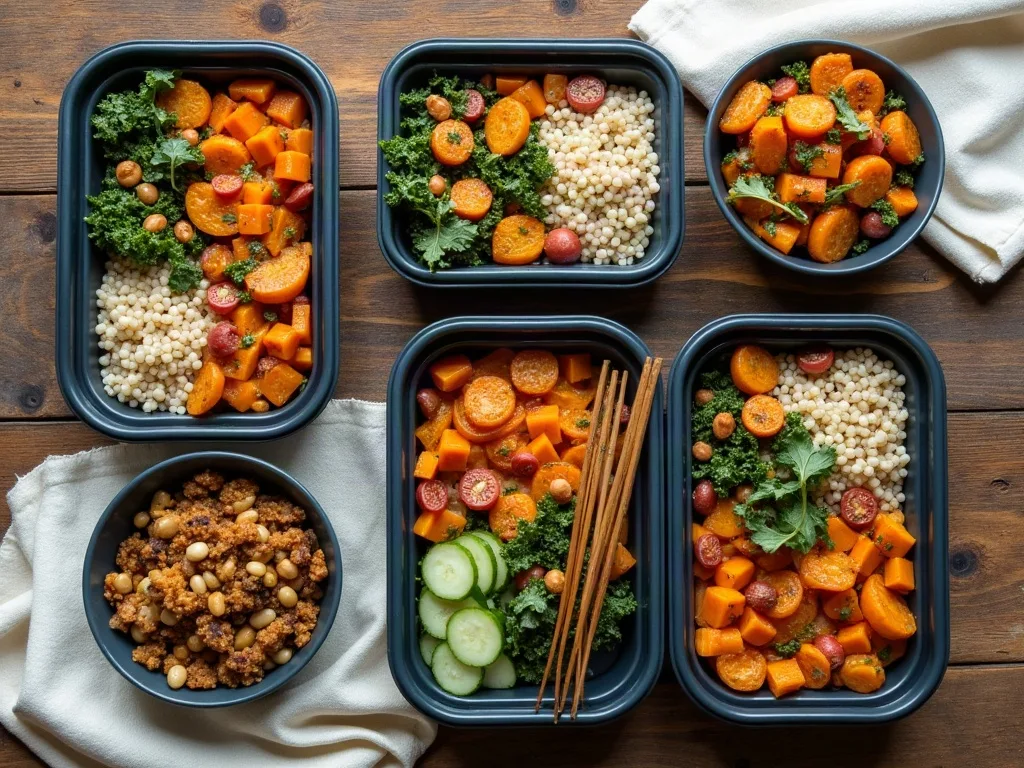
Most of the dinners in this kitchen are decided hours before they are eaten. Pasta is the exception — the one meal whose real work sits in its last fifteen minutes, and the water in the pot is an ingredient nobody puts on the list.
Eggs Don't Need a Sunday
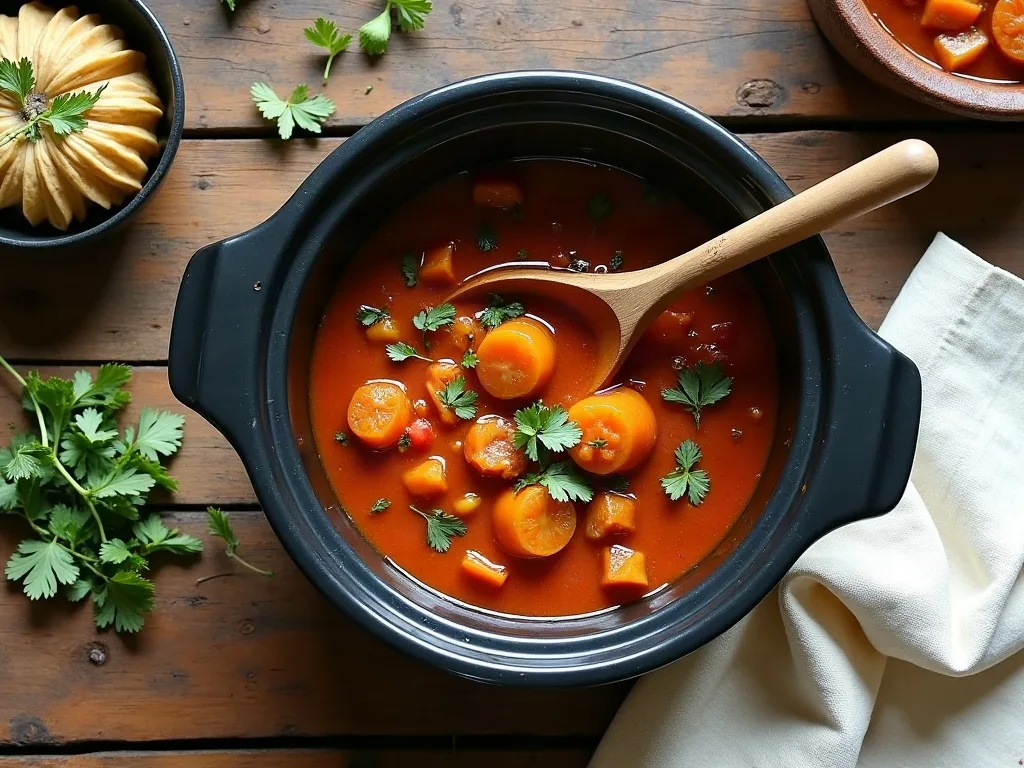
The freezer is stored work; the carton in the door is stored material. Notes on the one reserve in the kitchen that needs no planning, no thawing and no label — and on the pan that is nearly always too hot.
The Rehearsal Dinner Is Two Weeks Early
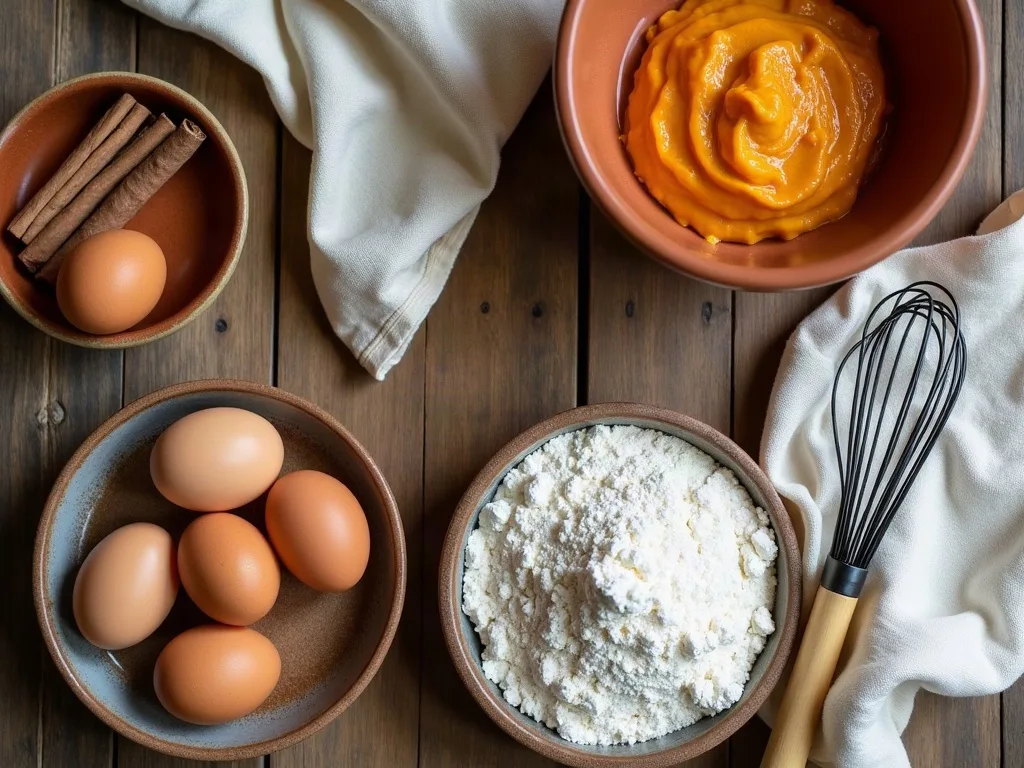
Every big meal has one dish nobody in the house has made before, and it gets its first cook on the day itself. Notes on cooking it once, early, with a pen in reach — and on what a small rehearsal can and cannot teach you.
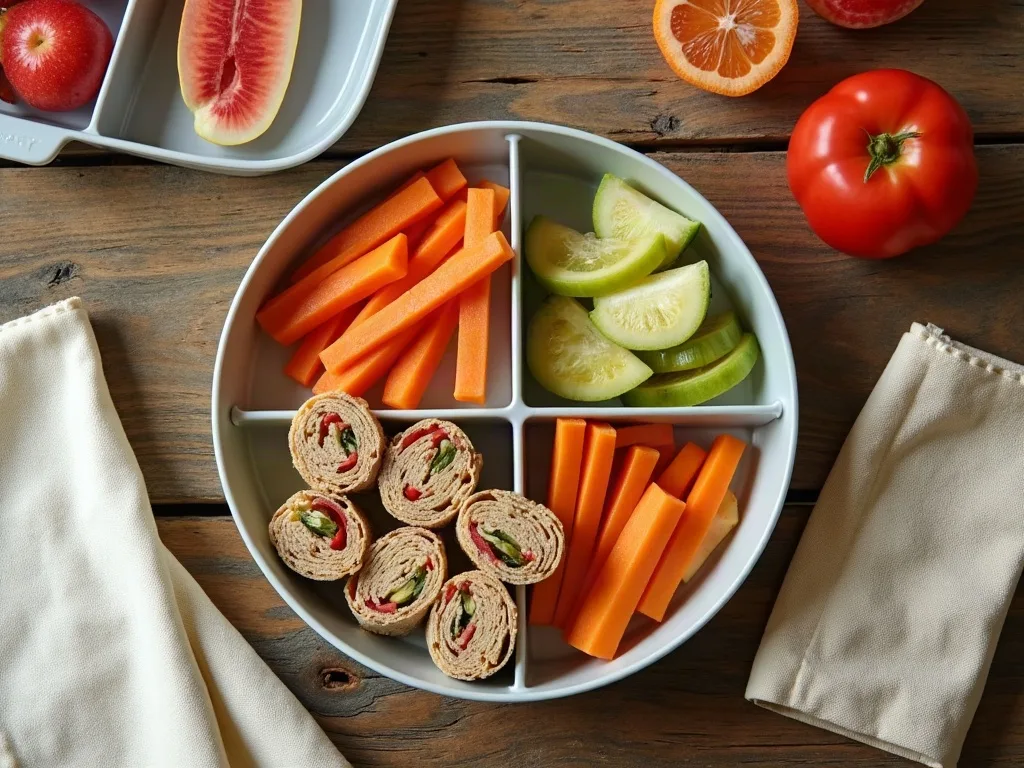
A Cupboard Full of Bases
Every container that leaves the house takes a lid with it and comes back without one. Notes on the cupboard under the counter, and the one habit that keeps it from drifting out of balance.
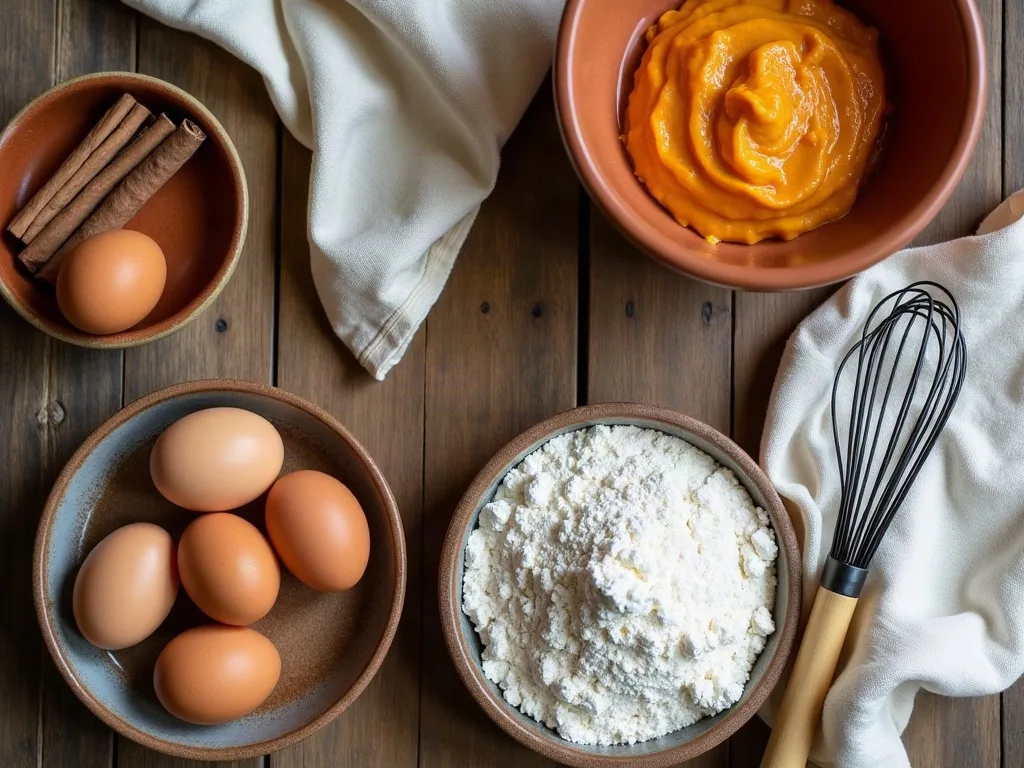
The Scale Is Not a Laboratory
A kitchen scale gets bought for precision and put away by December, because precision was never the job. Notes on the three things it actually does — and on the archive's cups, which are better left alone.
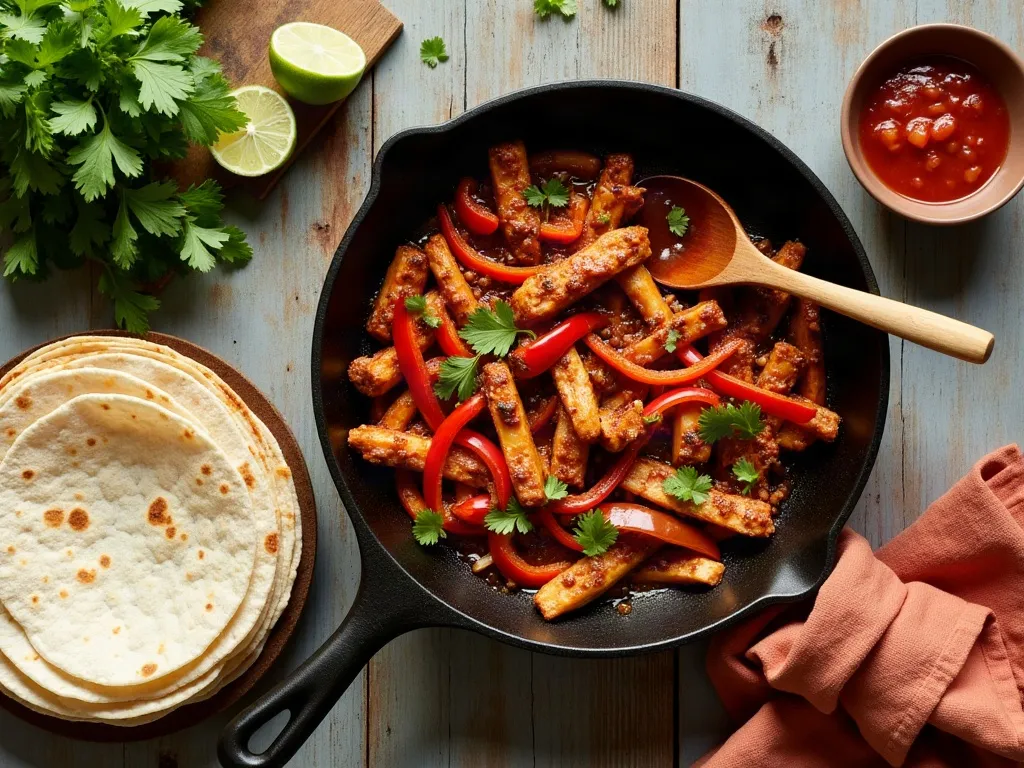
The Step That Looks Like a Mistake
A re-test of the archive's chicken fajitas, and the fifteen minutes at the end that decide whether you get fajitas or cooked chicken with peppers beside it.
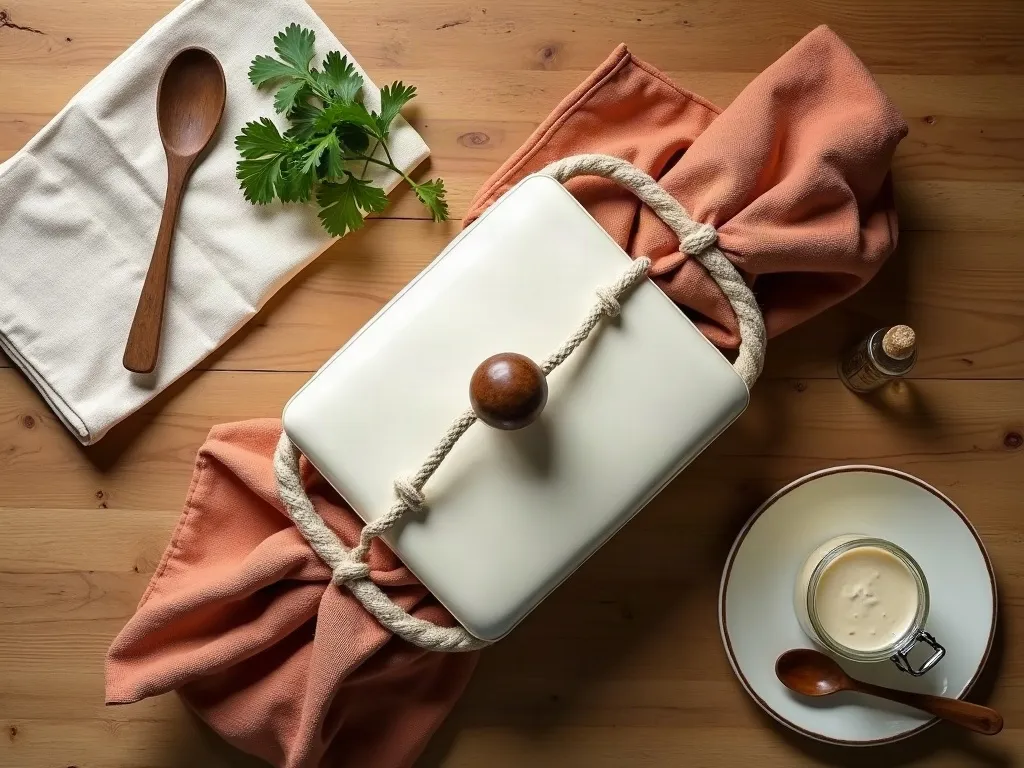
Finish It Somewhere Else
A dish travels better when it isn't finished before it leaves the house. Notes on heat, containers, and the last step that belongs to somebody else's kitchen.
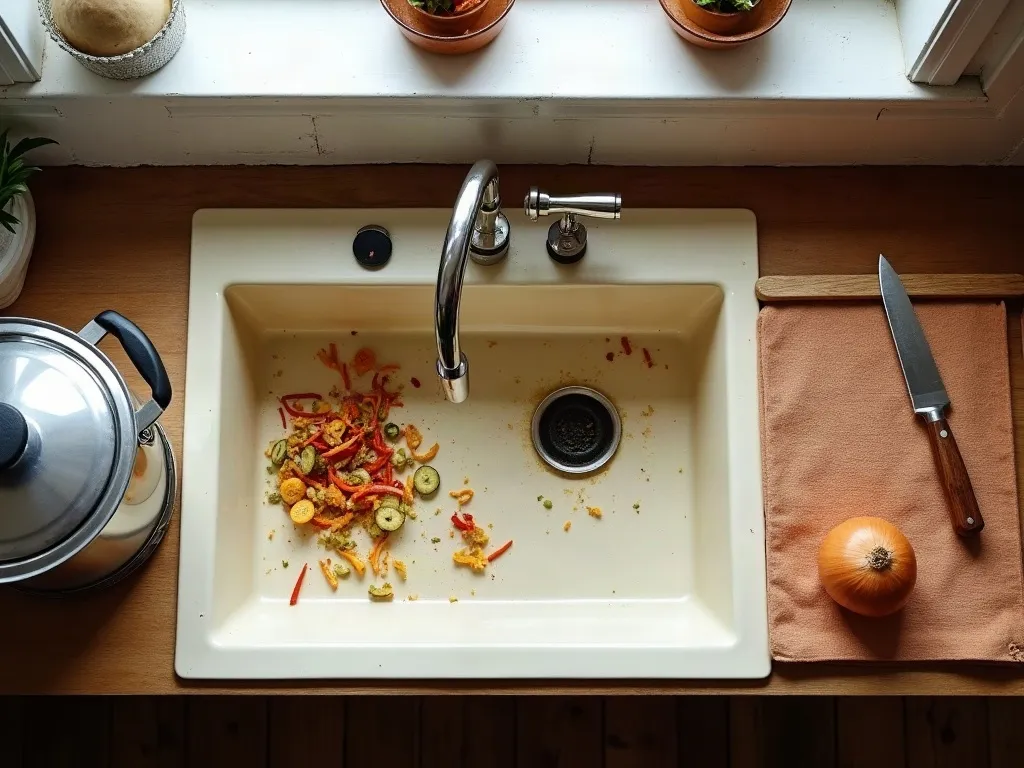
There Is Only One Counter
By the second week of November the appliances have moved in for the season and one clear rectangle of counter is all that's left. Notes on sequence, second surfaces, and cooking in a kitchen the size of a board.
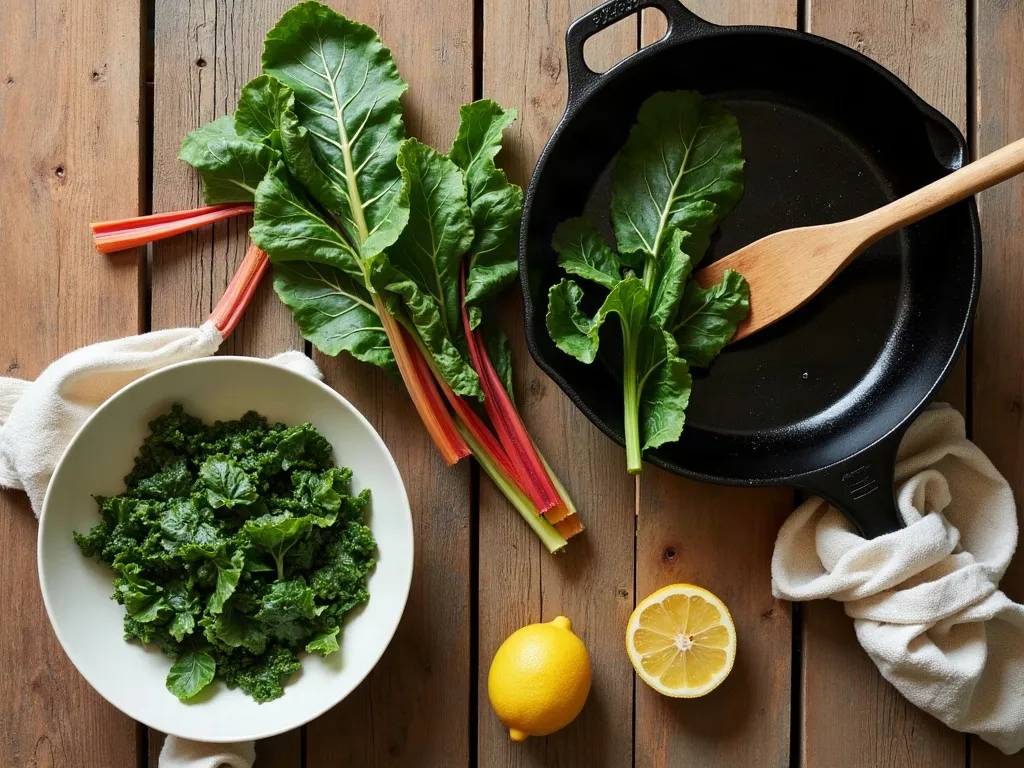
Chard Comes in Two Vegetables
The ribs and the leaves want opposite things from a pan, and most greens that disappoint at home are a timing problem rather than a seasoning one. Notes on splitting a November bunch.
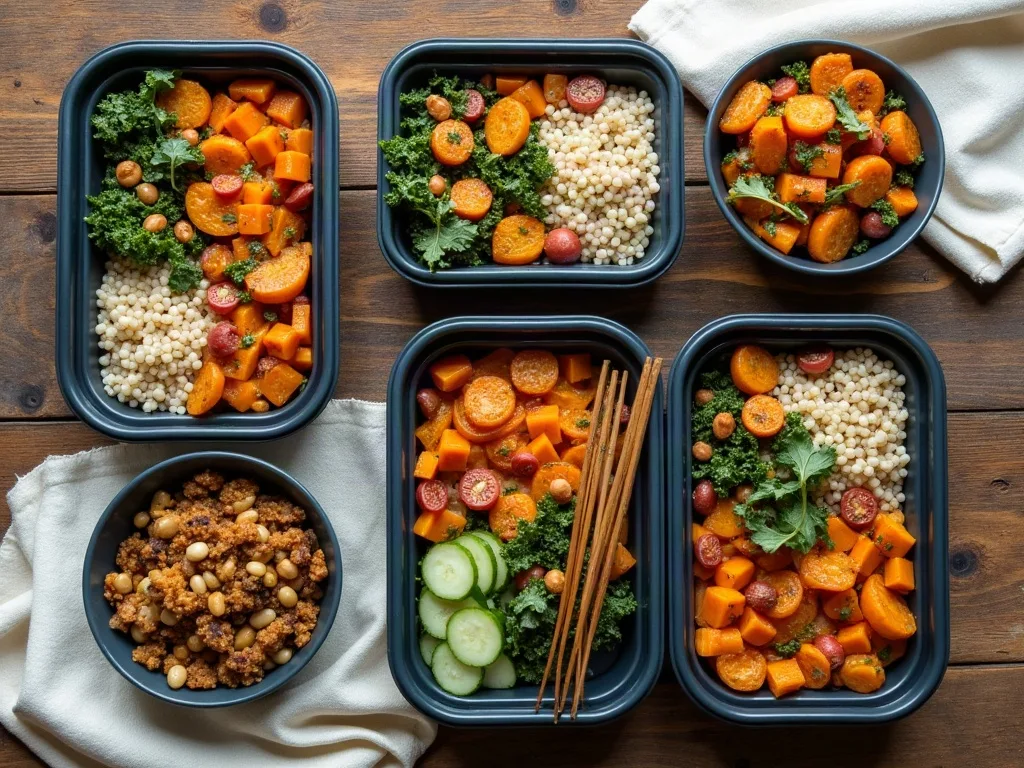
The Dough Doesn't Read the Clock
November kitchens run cold, and every "until doubled, about an hour" was written in a warm one. Notes on proofing by feel — where the warmth is, and why the slow loaf is the forgiving one.
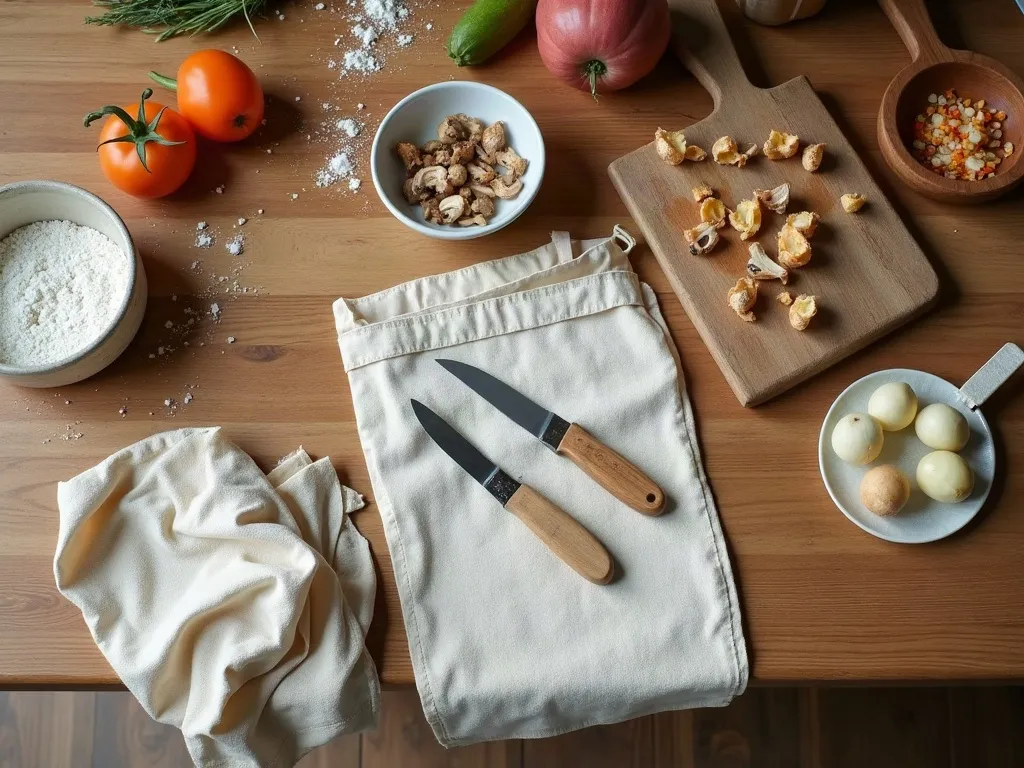
The Jobs That Are Real
A child at the counter is not a helper you can schedule, and the offer of help almost always arrives at the worst minute. Notes on the work that is genuinely theirs — the hot side, the knife question, and the mess that comes with it.
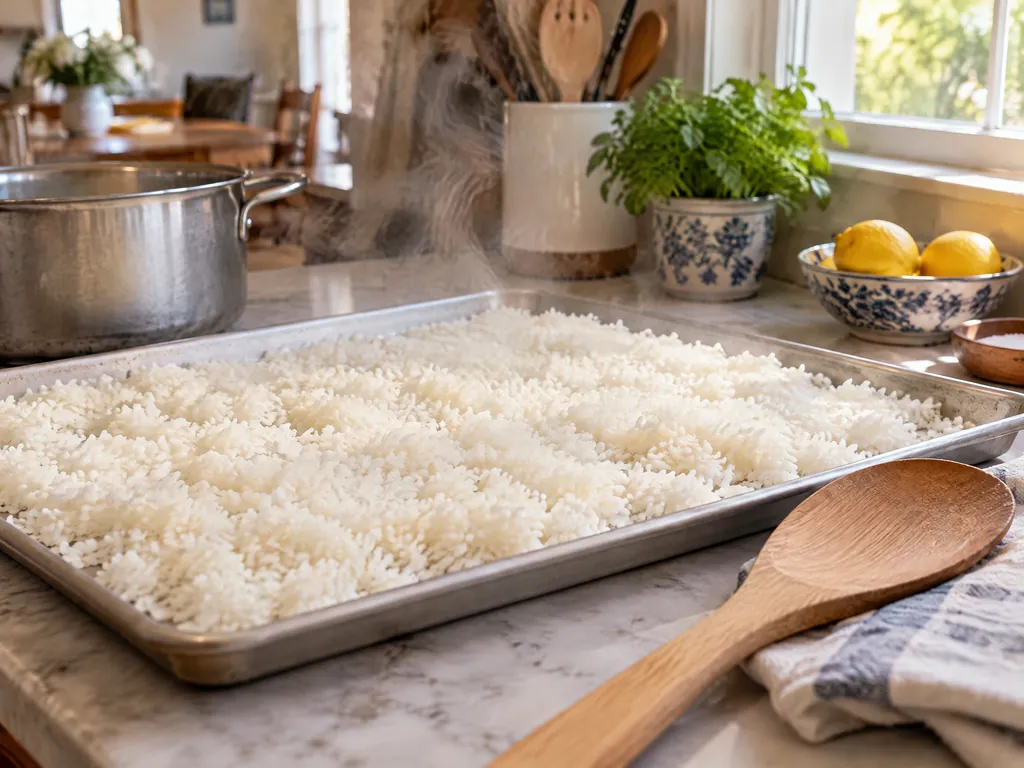
The Rice Pot, and the Clock That Starts When the Lid Comes Off
A big pot of rice or grains on Sunday is the most useful thing in a weeknight kitchen, and the one leftover people handle most carelessly. Notes on cooling, storing, freezing and reheating cooked grains so the batch lasts the week and stays safe.
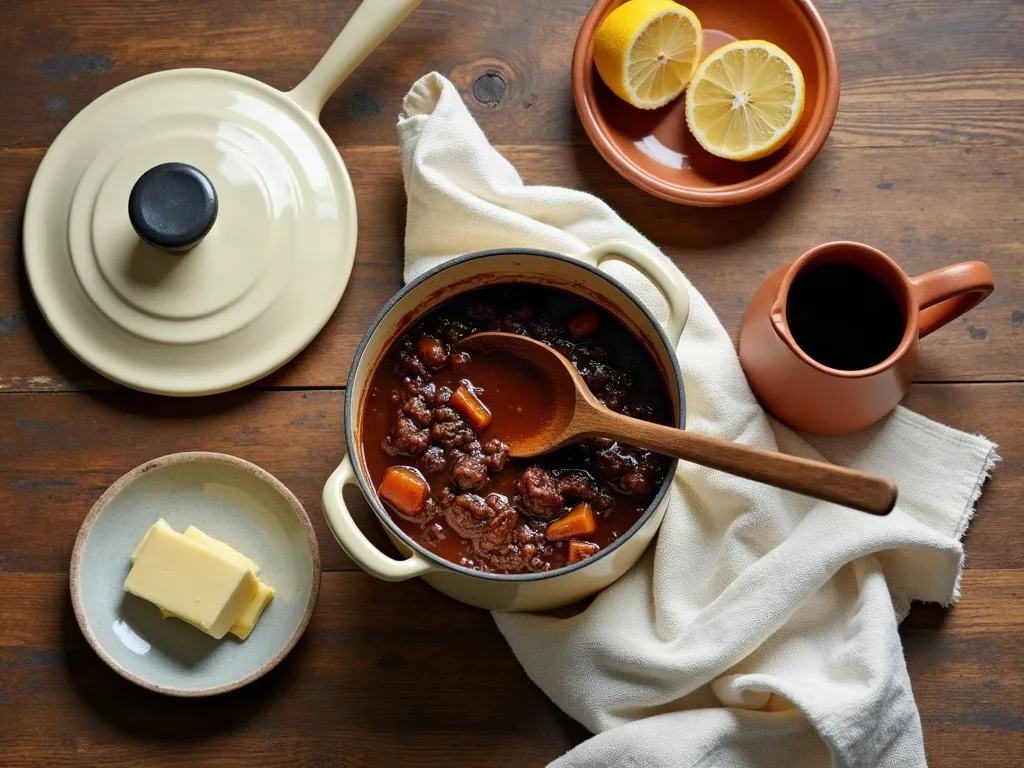
When the Pot Has Already Gone Wrong
Most cooking advice assumes the pot can still be saved by paying attention. The real failures arrive at the last taste — notes on salt, heat, a split sauce, and the one thing that does not come back.
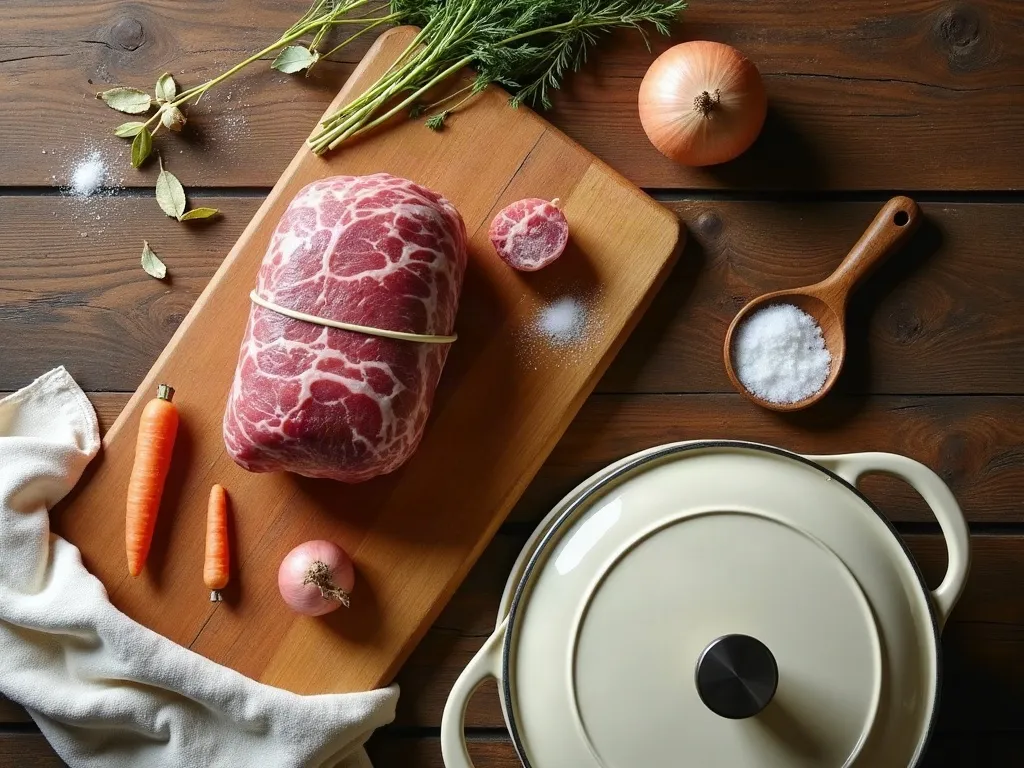
The Pot That Goes Into the Oven
A braise is a short recipe with a long wait — the fourth evening shape of the cold months, and the only one that heats the kitchen while it works.
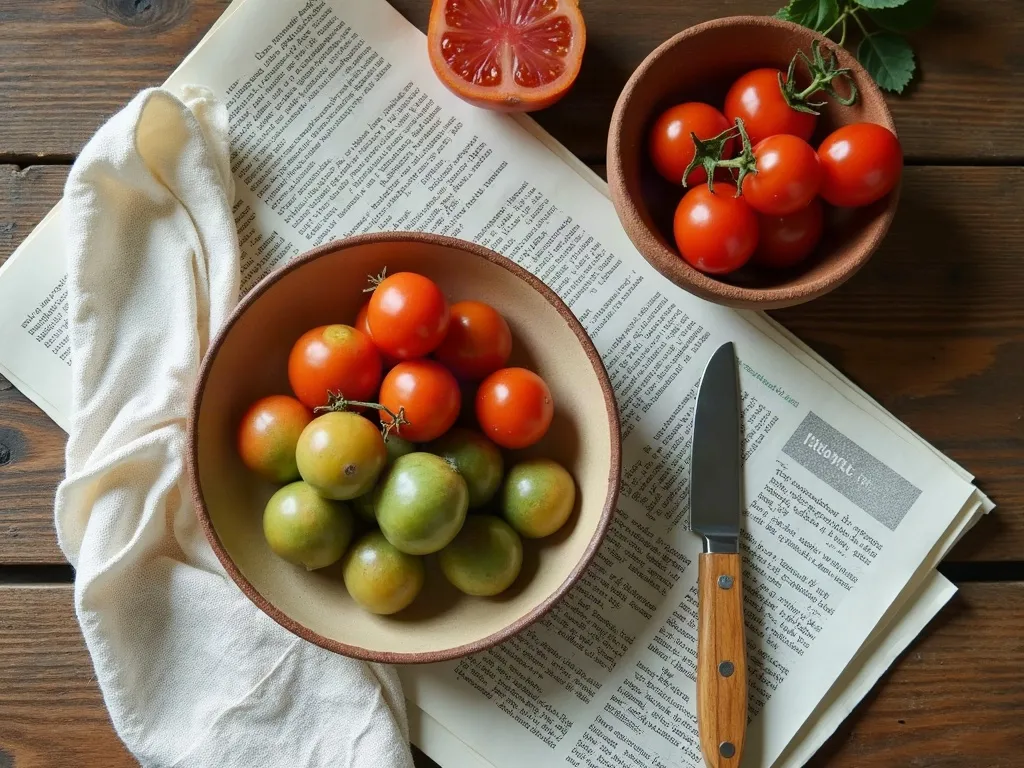
Not Every Green Tomato Is Waiting
The first week of November brings the plants in and a tray of fruit that never finished. The sorting is the whole job: what gets to colour, what is better cooked green, and what ends up as a bag of sauce.
Before the Bowl Fills Up
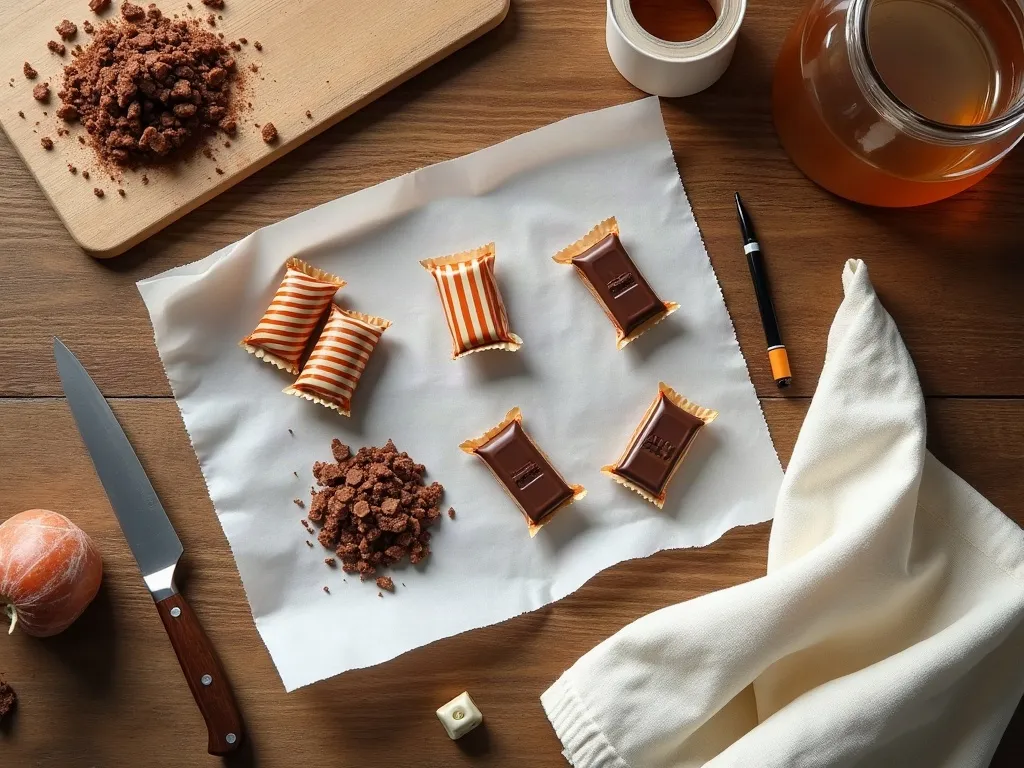
Tonight the bowl by the door fills up. The useful ten minutes are the ones before it does: three piles, a rough chop, a labelled bag in the freezer, and December cookies that need no shopping.
An Hour Goes Back, and Dinner Moves With It
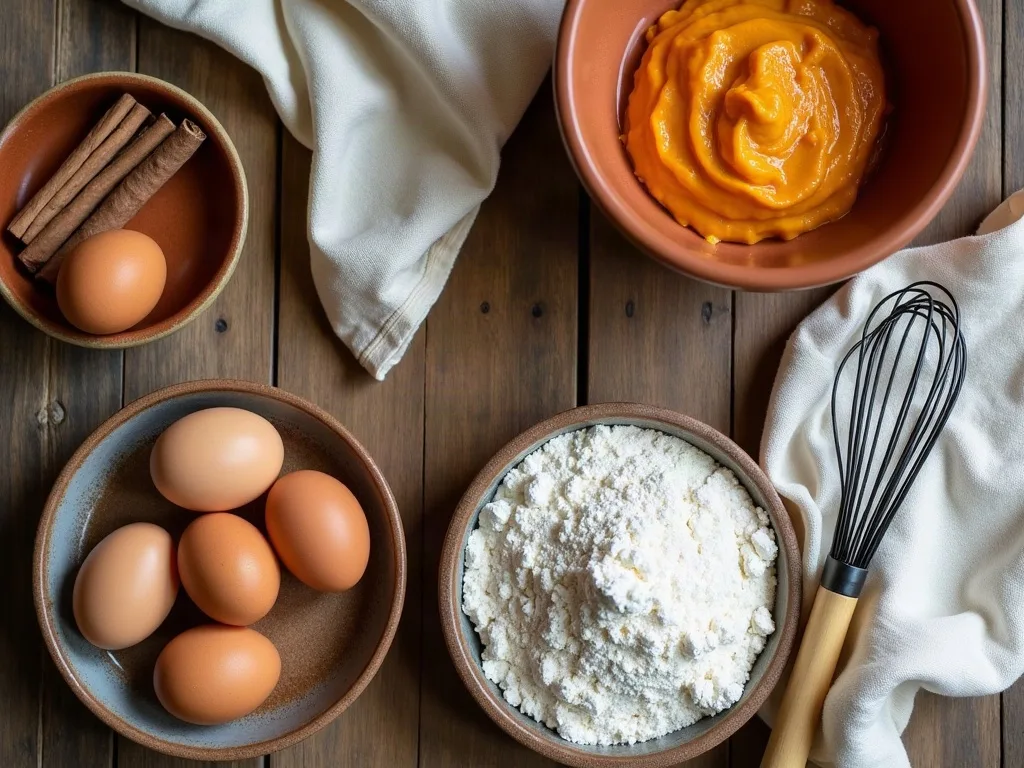
The clocks change on Sunday and the light leaves an hour earlier. Notes on the week when the window stops being a reliable signal for when to start cooking.
The Fridge Is the Bottleneck
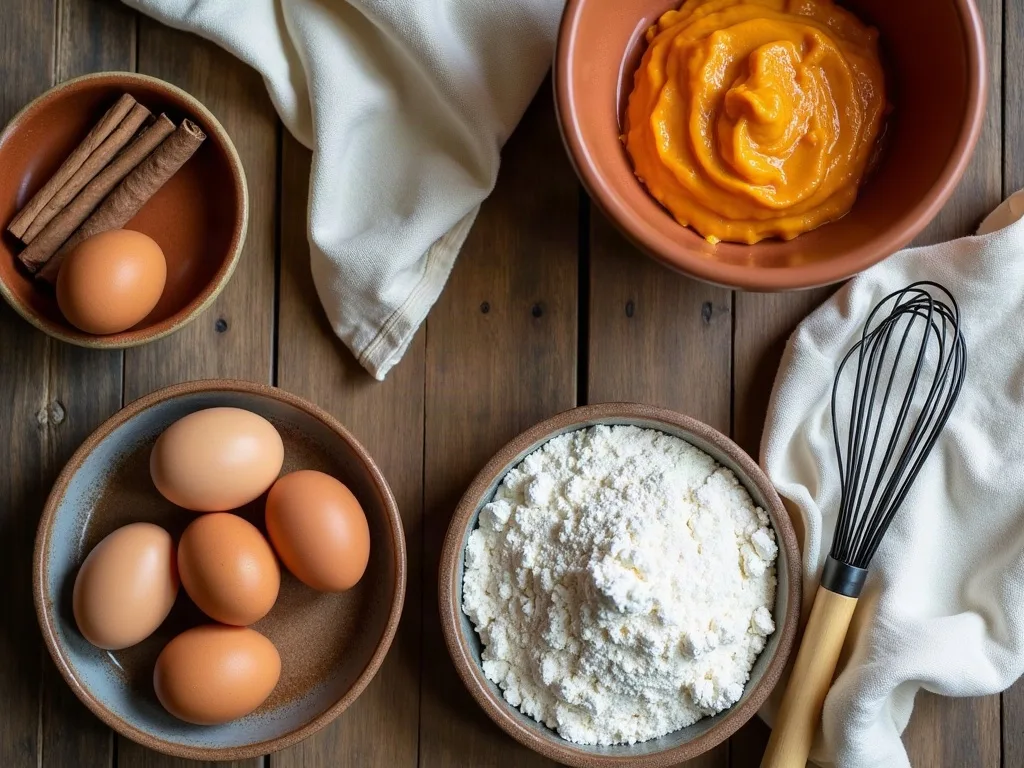
The freezer got emptied and the cupboard got audited. The space the holiday actually runs out of is the one nobody clears: the refrigerator, and the shelf and a half it will need to give up.
Roll the Shell Now, Fill It Later
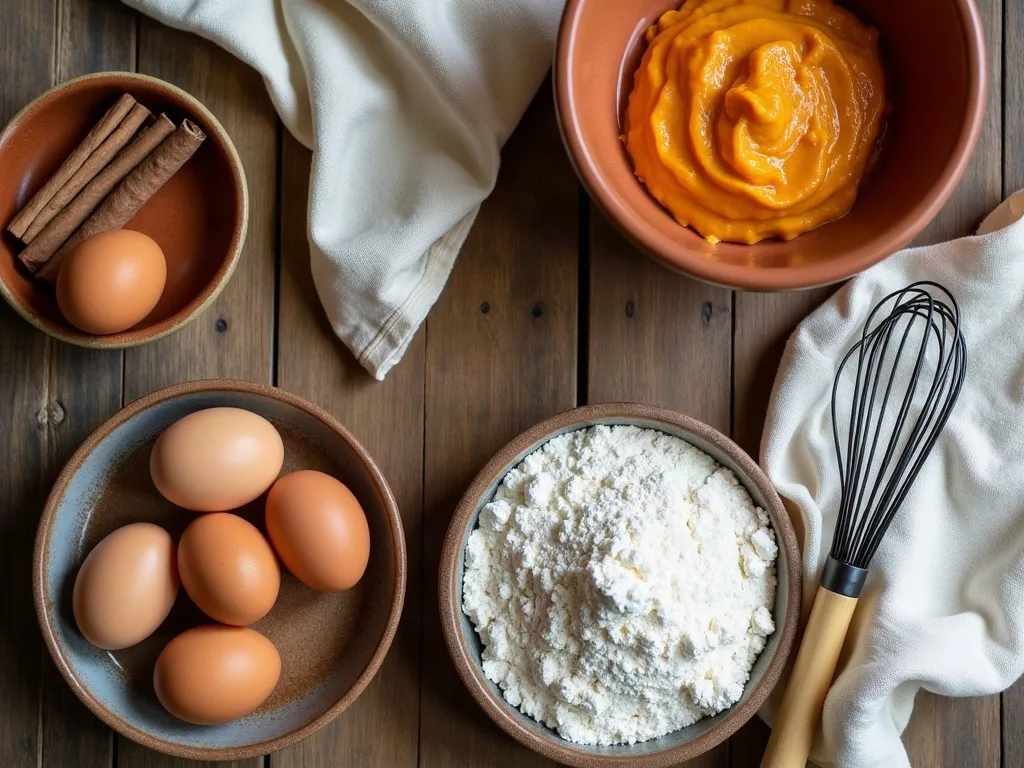
The pie is decided by its dough — and the dough is the one part worth doing a month early, provided it goes into the dish instead of just into a bag.
The Shop Edits the List
The cupboard audit writes the grocery list, but the store rewrites it. Notes on the route through the aisles, the cart at the till, and the unpacking that actually finishes the trip.
Home Hyperbaric Chamber Cost vs Clinic Sessions: 2026 Math
Home hyperbaric chamber cost against clinic sessions in 2026: list prices from $14,900, break-even tables, running costs, room checks and HSA rules.
Plan the Oven Before You Plan the Menu
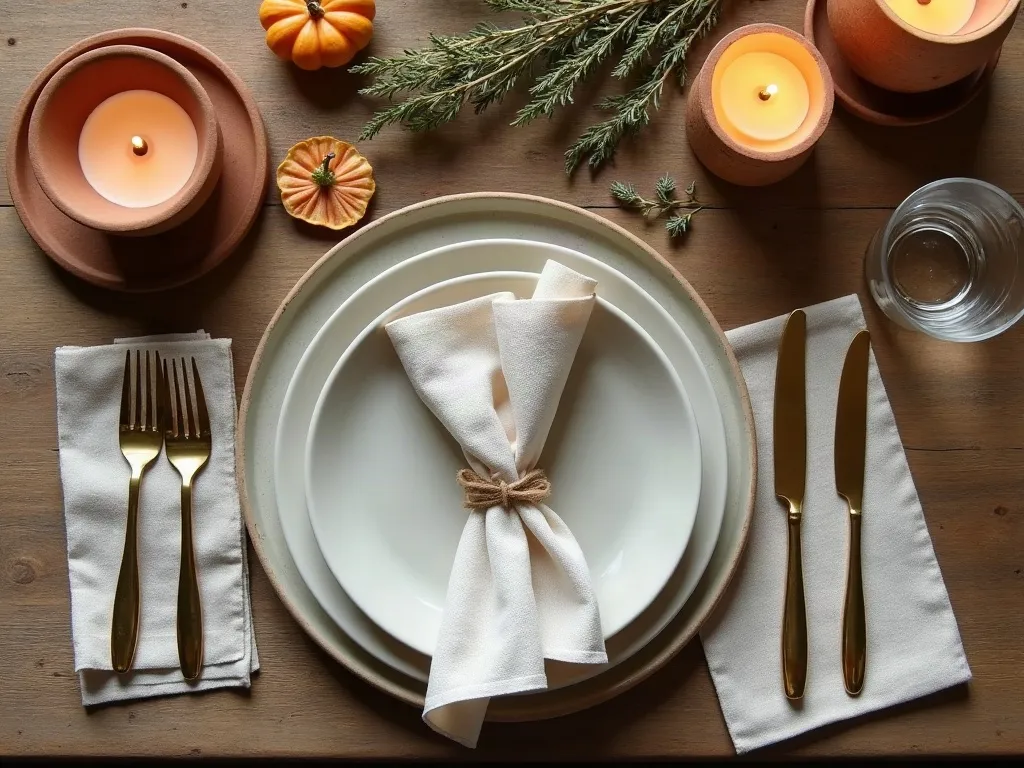
A month out from the last Thursday of November, the holiday table is decided by one oven and one clock rather than by which recipes made the cut — plus the make-ahead that buys back the afternoon.
The Sink Decides What You Cook
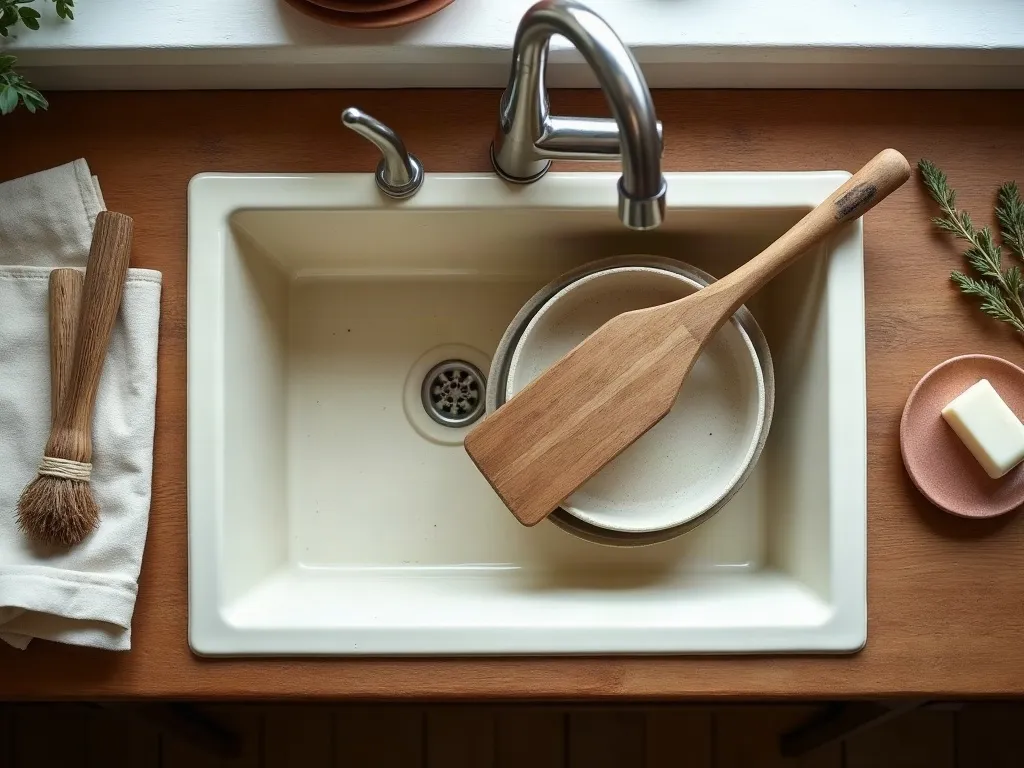
Cleanup isn't the afterword to dinner — it quietly sets the weeknight rotation. Notes on counting vessels, soaking early, and why a recipe that ends well gets cooked again.

Empty the Freezer Before You Fill It
The freezer is fullest in October and needs room by November. Notes on a ten-minute drawdown: three piles, freezer-first dinners, and the shelf to aim for.
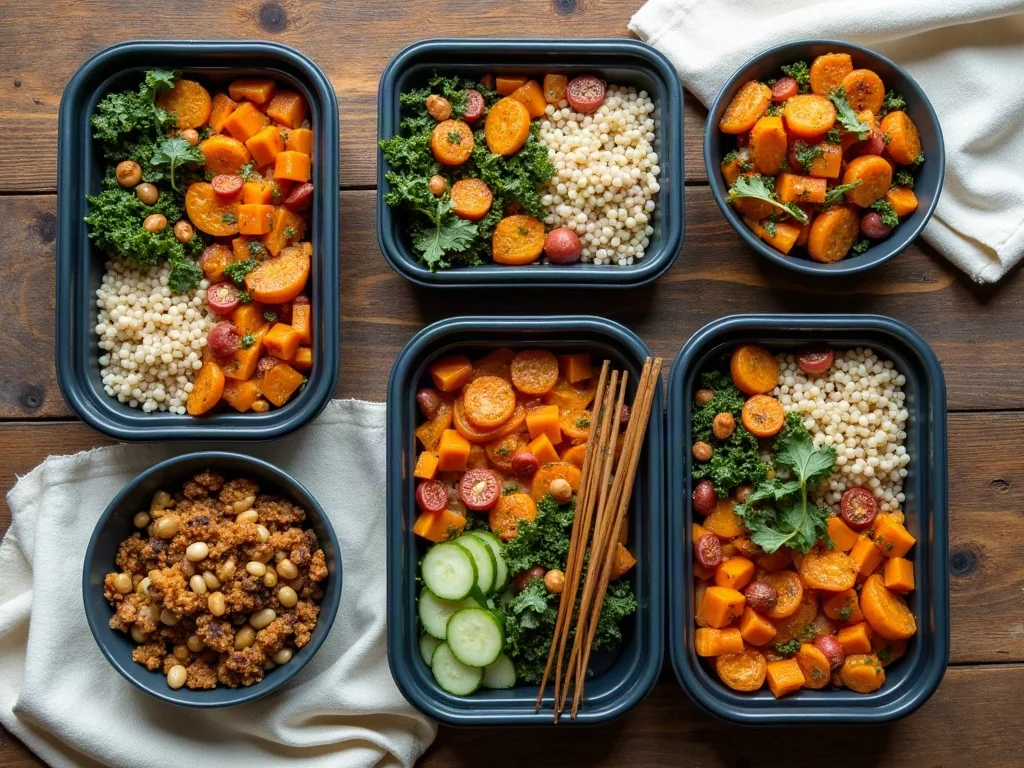
The Spice Shelf Is an Ingredient
Late October is when the spice shelf gets looked at twice — once for baking, once for chili. Notes on buying small, toasting whole, blooming in fat, and writing your blend down.
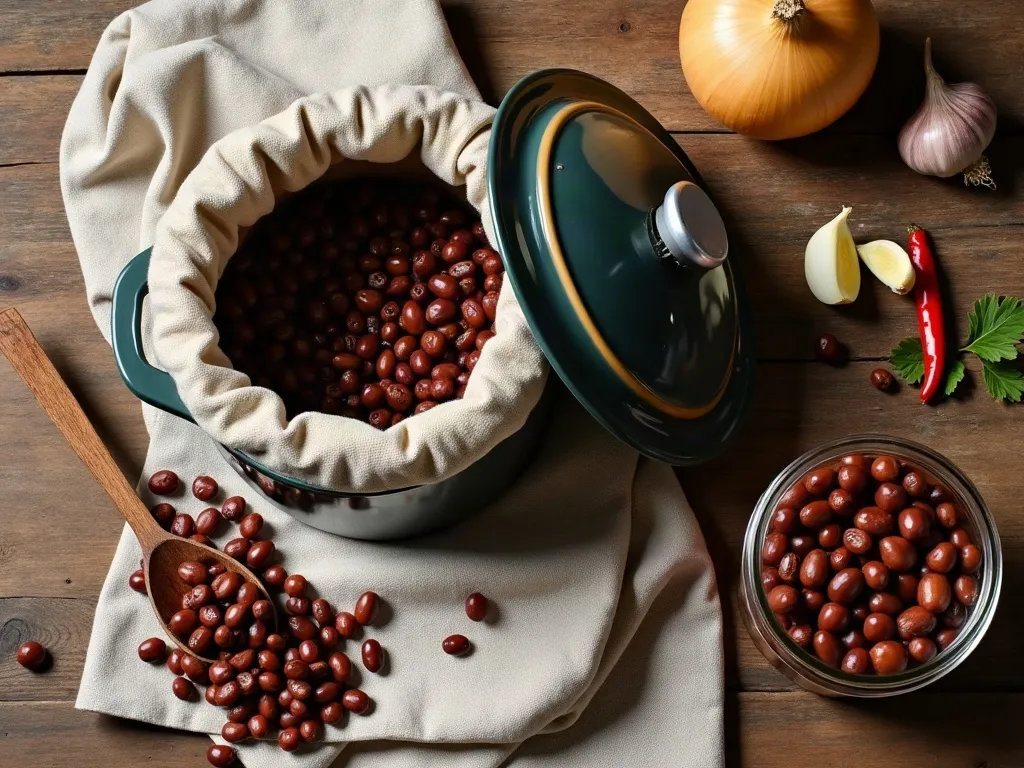
A Pot of Beans Is Not a Recipe
Dried beans are the one pantry staple where the cooking is the prep itself: an hour at the stove that turns into three weeknight dinners and a stack of flat freezer bags.
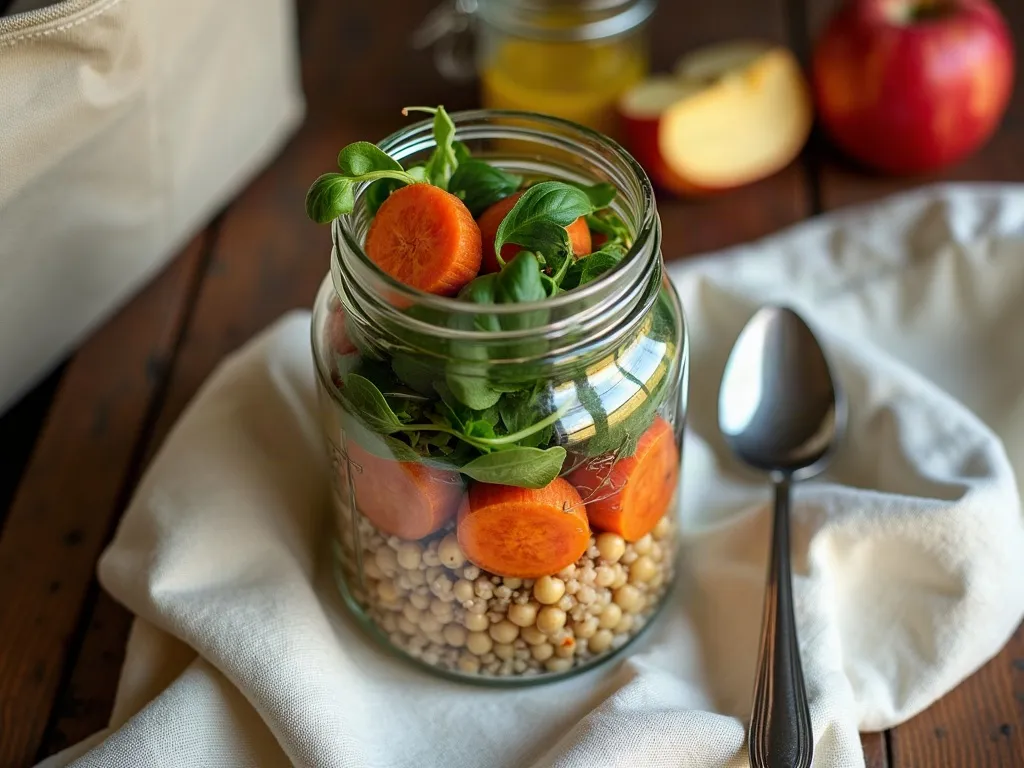
The Lunch That Goes to Work
Packing for a school backpack is one problem; packing for your own desk is another. Notes on jars, cold packs, and the ten minutes that make a weekday lunch worth eating.
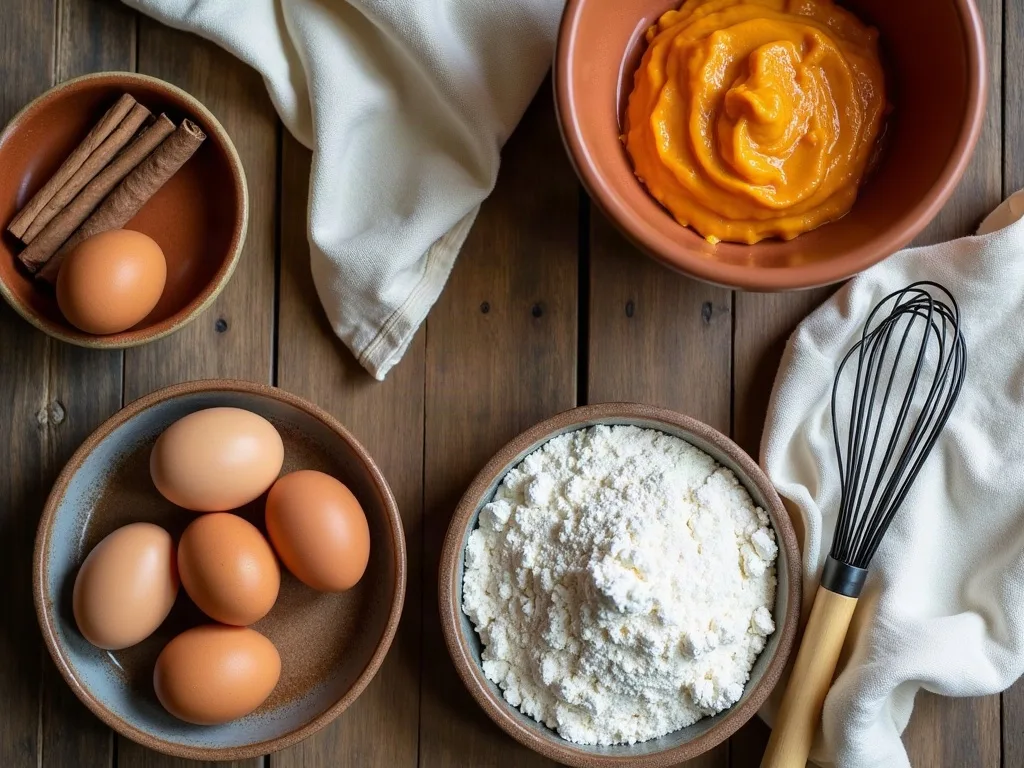
Doubling Is Not Multiplication
Scaling a recipe up is a set of decisions about pans, timing and cooling rather than a multiplication table — notes on where doubling works and where it quietly goes wrong.
Fish on a Tuesday
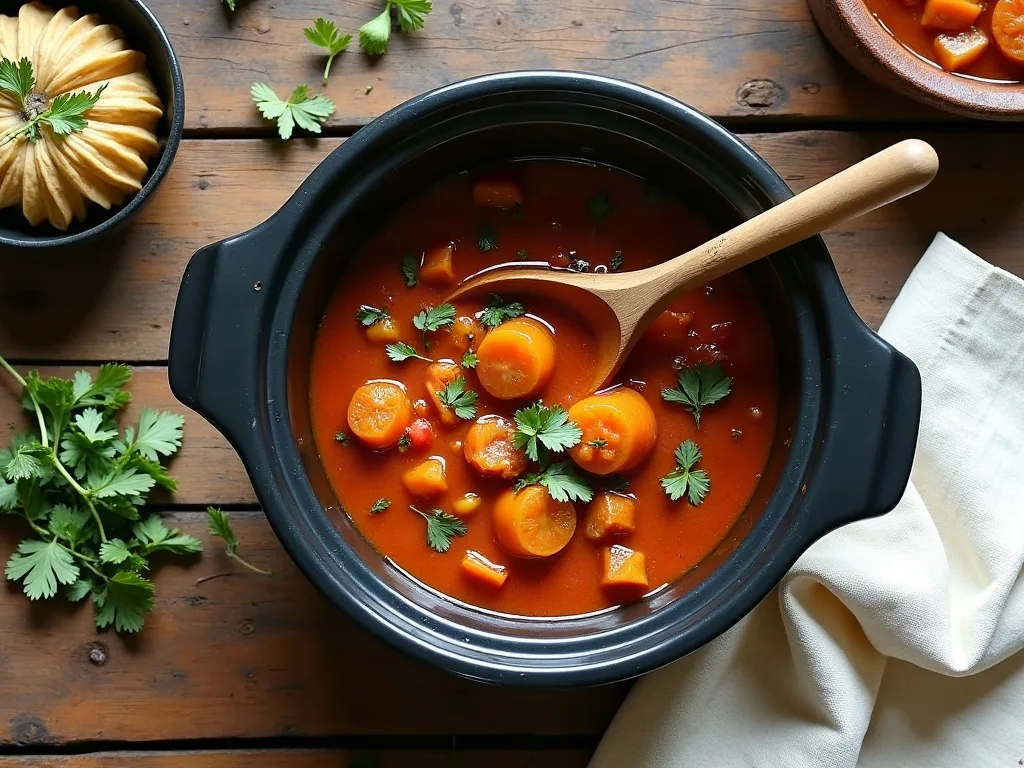
The weeknight protein most of us quietly stopped buying: frozen fillets, a genuinely dry surface, and a pan hotter than feels comfortable.
The Meatloaf, Re-Tested
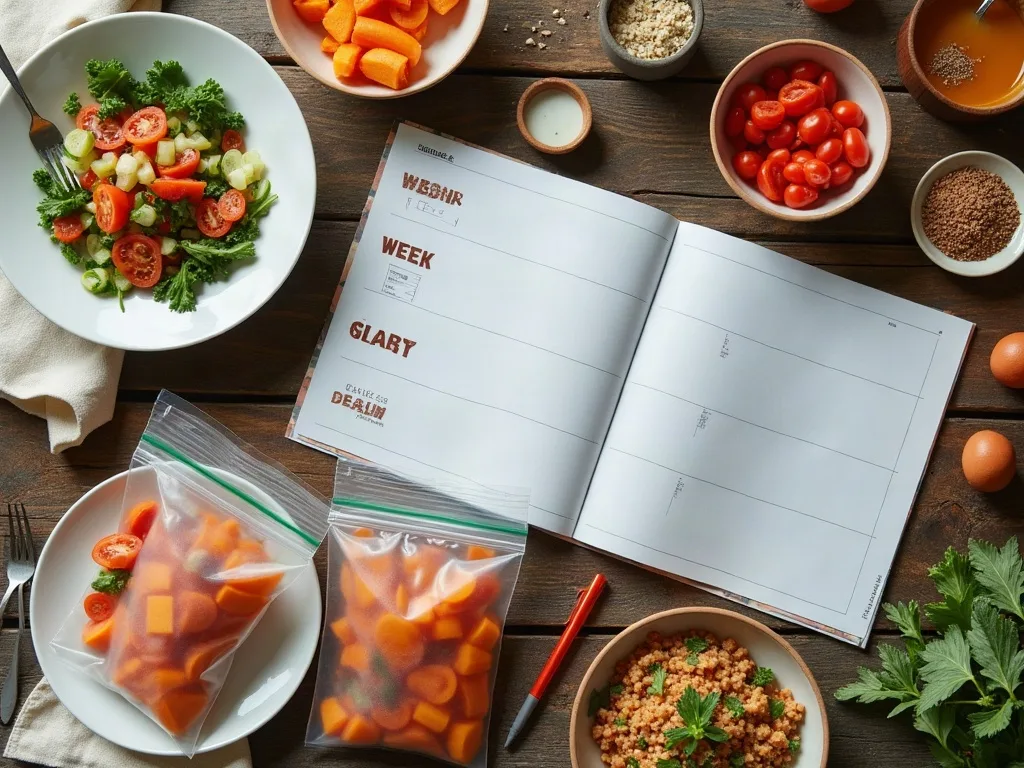
We cooked the archive's BBQ cheese meatloaf exactly as written. The ingredients held up; the pan turned out to be the whole argument.
Cookie Dough in October, Cookies in December
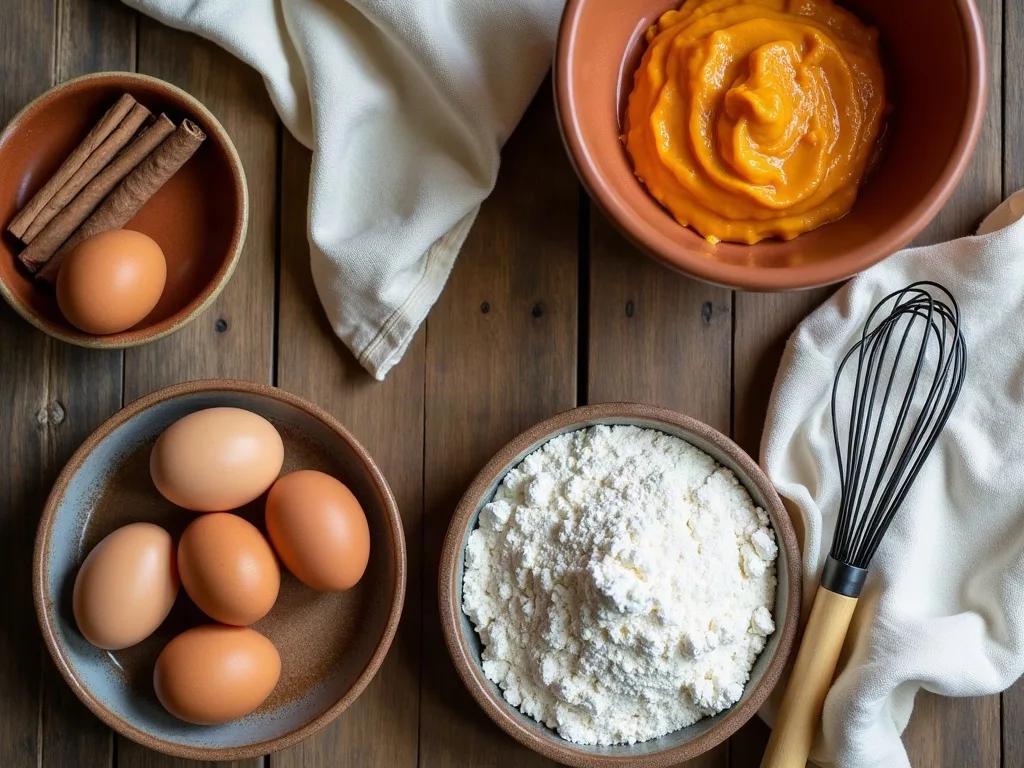
The bake-ahead that actually survives the holidays: roll the dough into a log now, write the oven temperature on the foil, and bake to order later.
Halloween Falls on a Saturday This Year
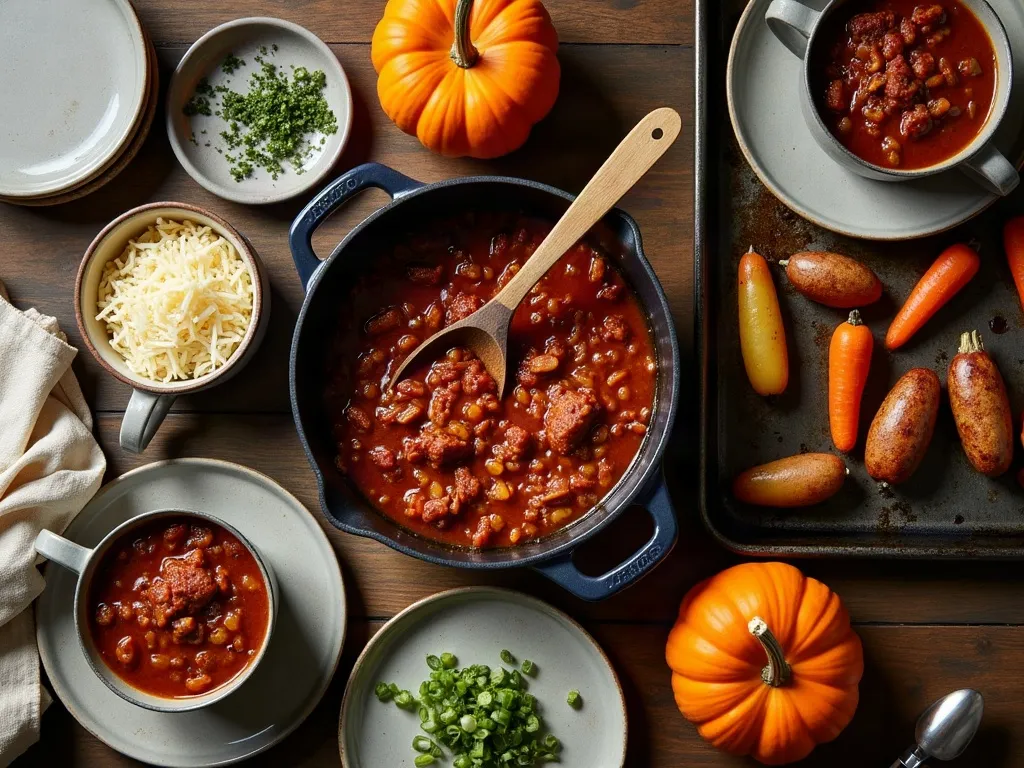
A flexible Halloween dinner with a slow cooker, mugs instead of plates and a sheet pan for everyone eating in shifts.
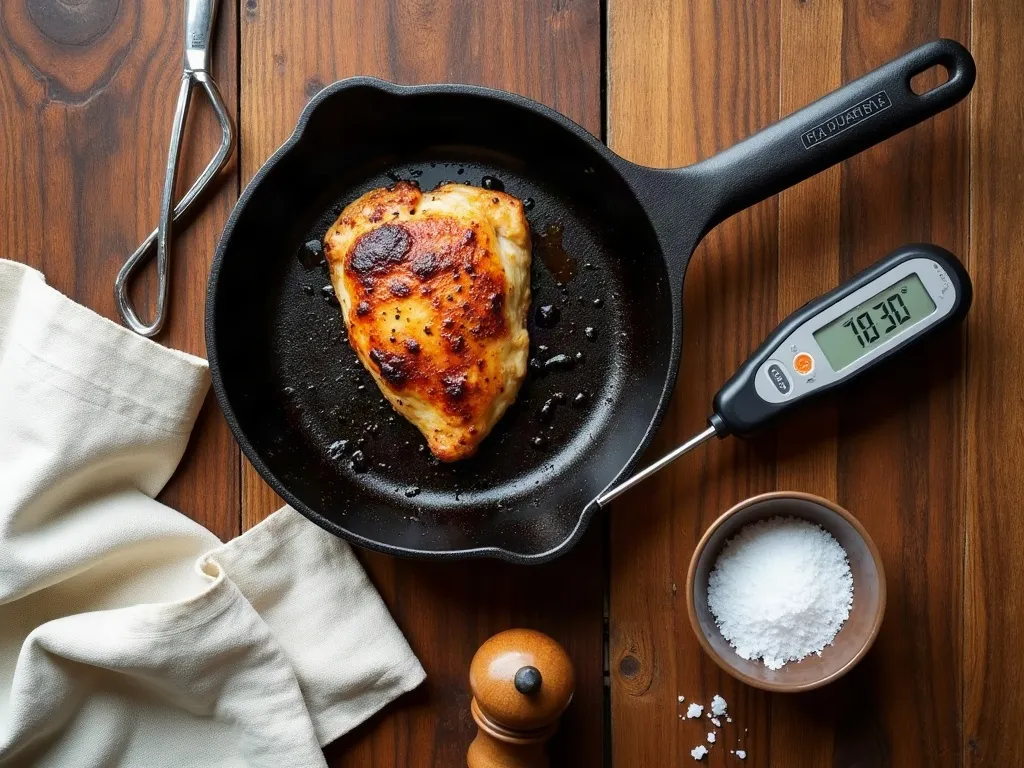
The Least Glamorous Tool in the Kitchen
Notes on the instant-read thermometer: where the probe goes, what to do while it settles, and why it belongs next to the stove.
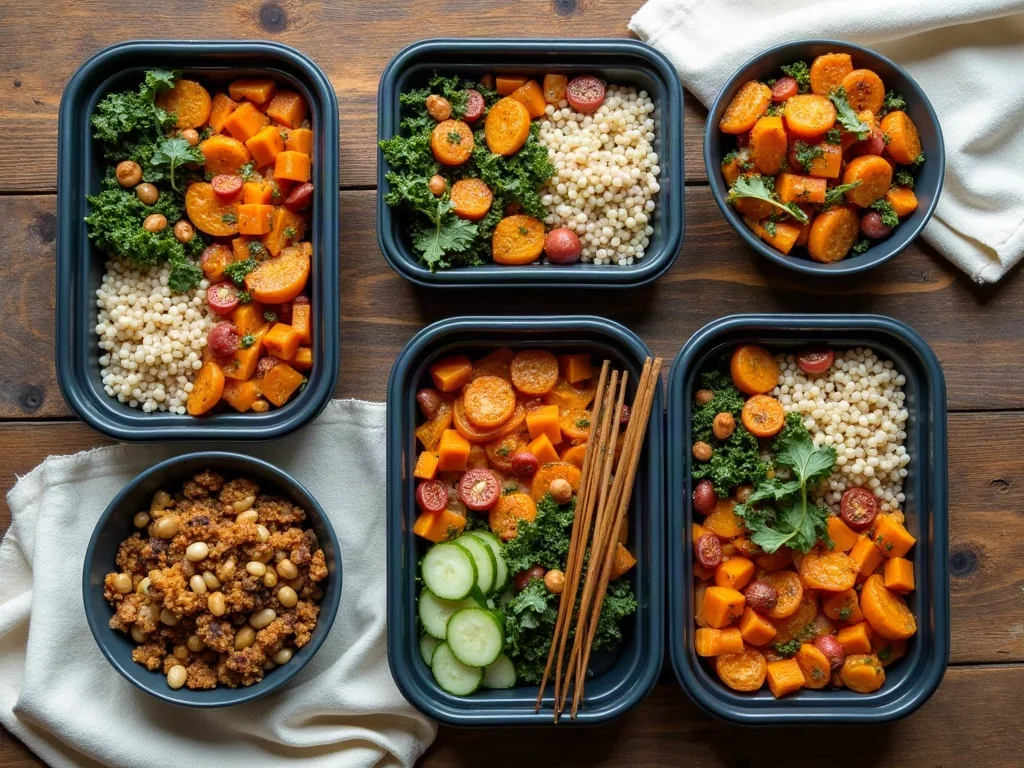
The Root Drawer, and the Clock That Starts at the Market
Notes on sorting carrots, beets and parsnips by firmness, cooking them two ways, and saving the peelings for the stock bag.
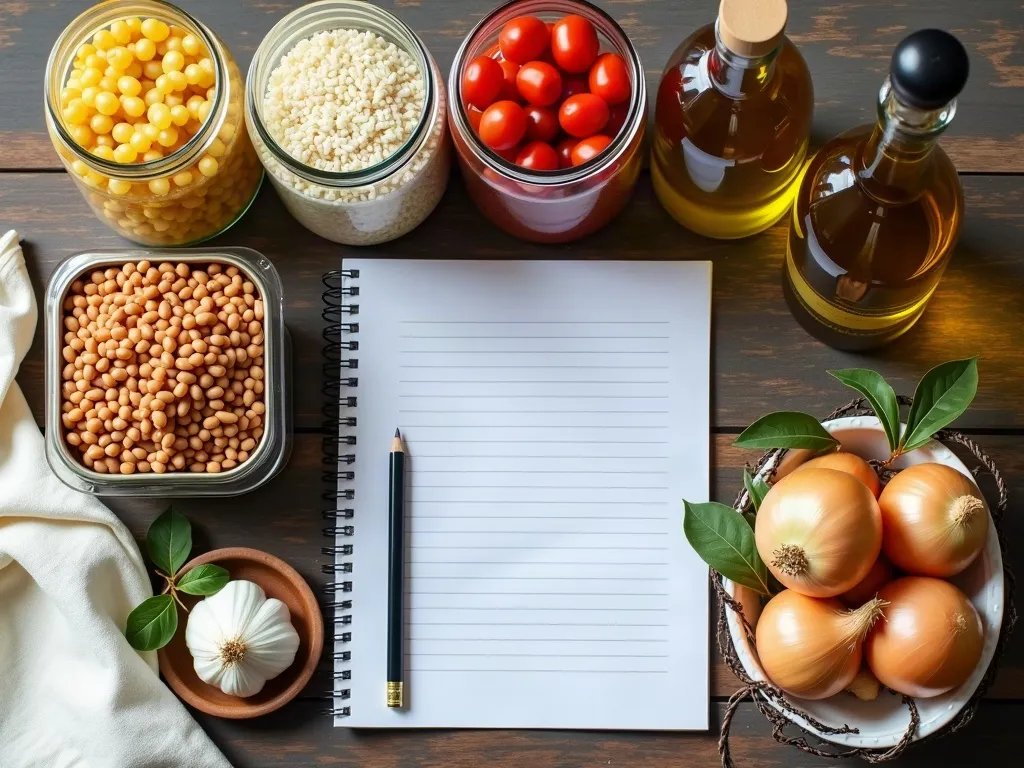
The Pantry Run, and What Belongs on the Shelf
Treat the pantry as a system: restock what you finish, retire what you never cook, and let the shelf carry a weeknight.
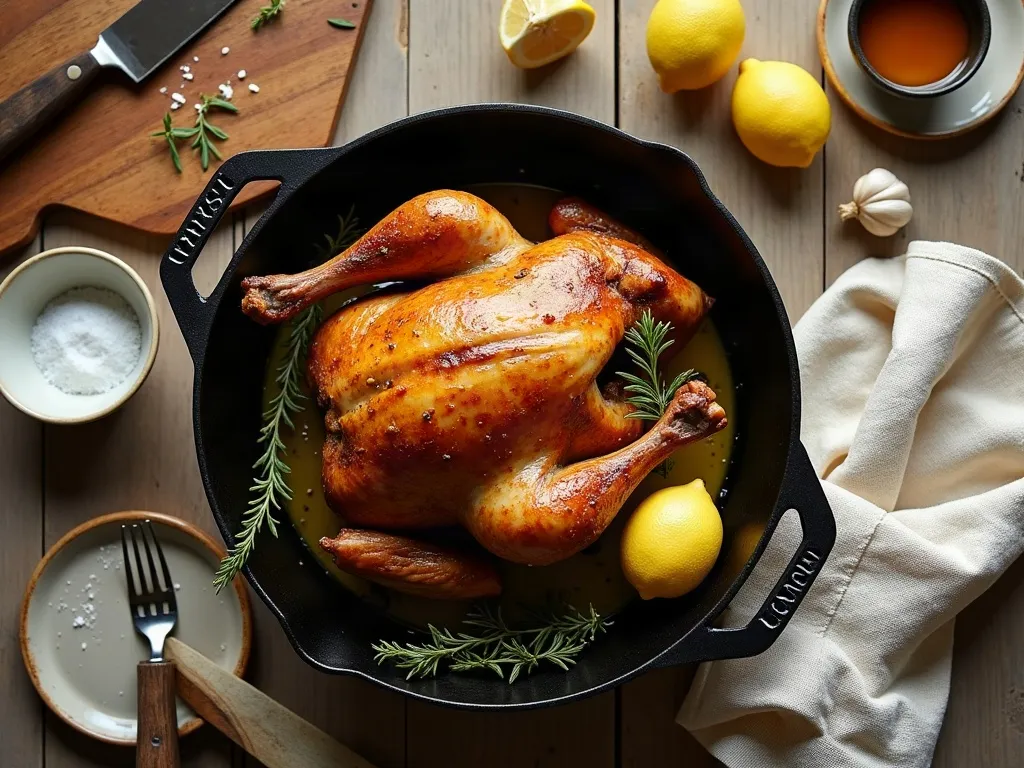
The Sunday Bird, and the Stock It Leaves Behind
One roast chicken, three uses: Sunday dinner, a second night's chicken, and stock from the carcass, with notes on method, thermometer and timing.
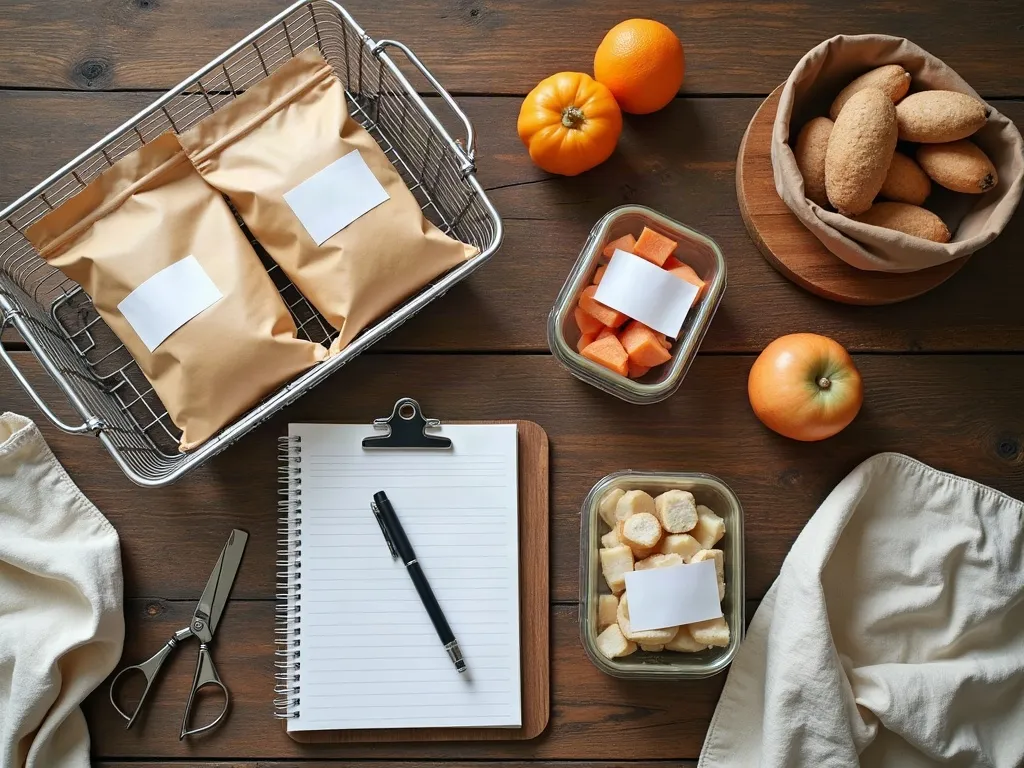
The Freezer Inventory, and the Ten Minutes It Takes
A freezer is a pantry you can't see into. Our notes on the door list, the tape label, and the one-meal-a-week habit that keeps a freezer honest.
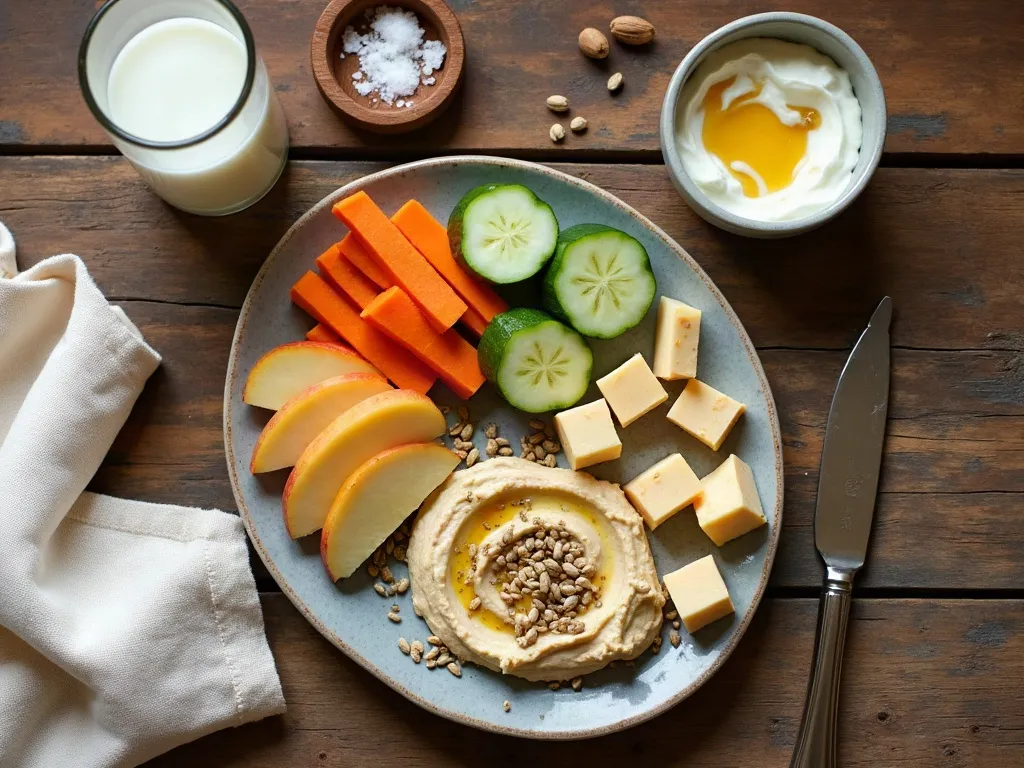
The Hour Between School and Dinner
After-school snack notes: a simple plate, a dip for vegetables, a small freezer drawer, and what shouldn't sit out all afternoon.
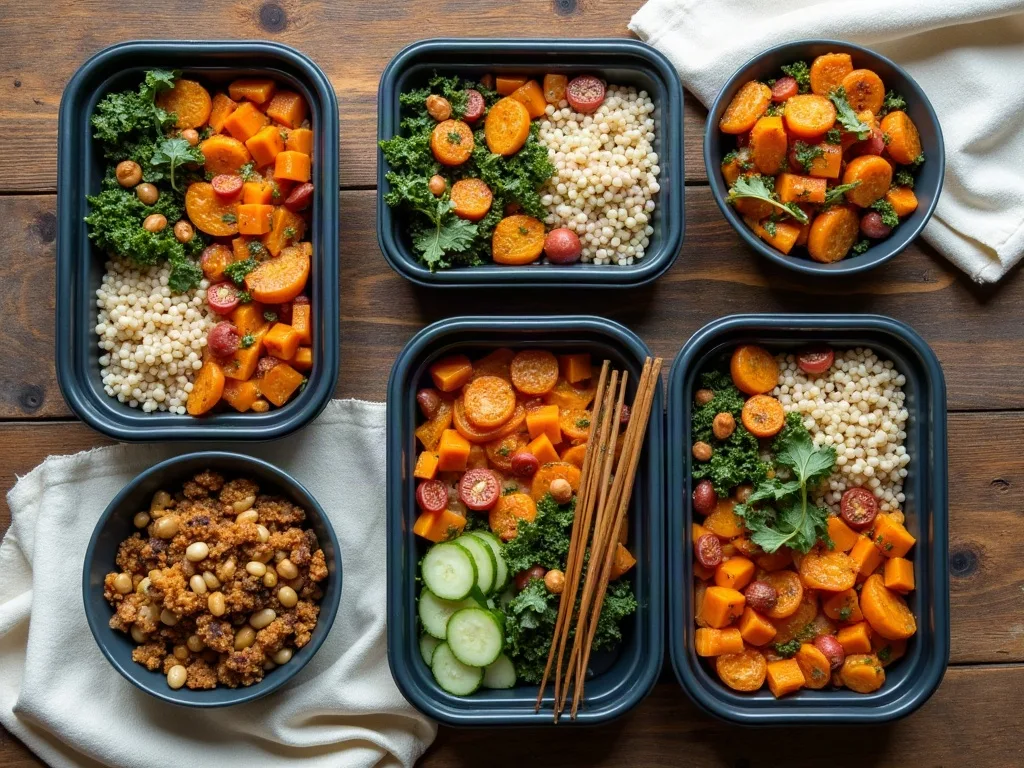
The Squash That Waits on the Counter
Winter squash keeps whole, roasts in two halves, and becomes portioned puree for chili, soup and quick bread all winter.
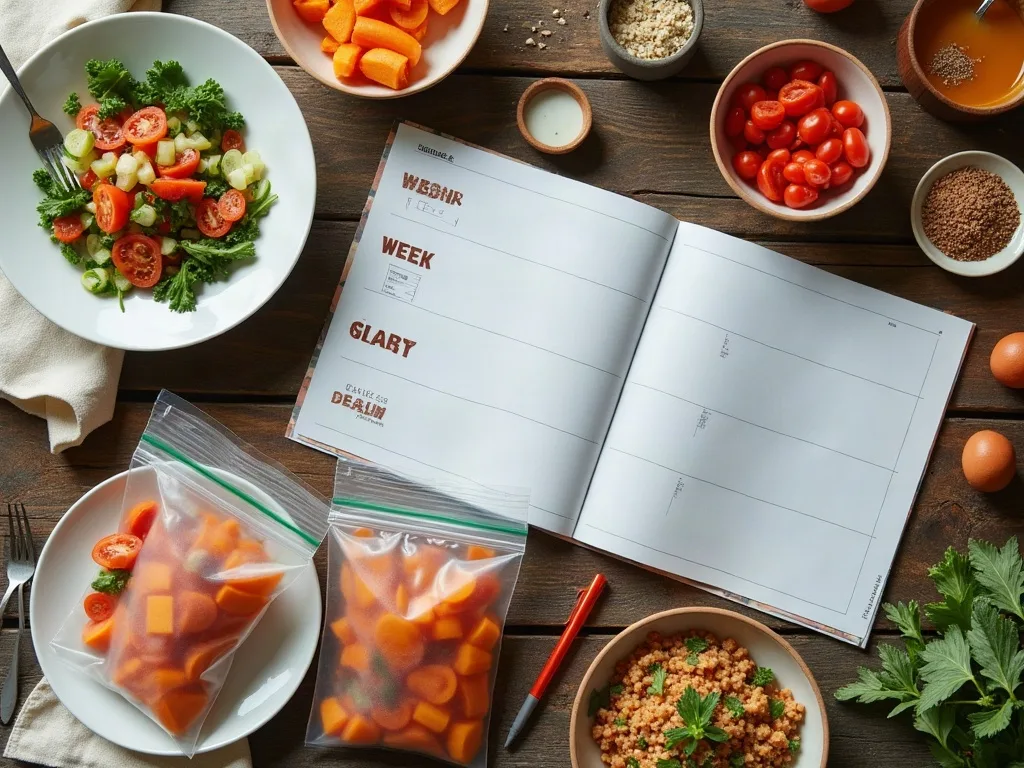
Breakfast That Survives a School Morning
Three make-ahead breakfasts for school mornings: a baked tray, fridge jars, freezer wraps, and a two-minute habit that keeps them handy.
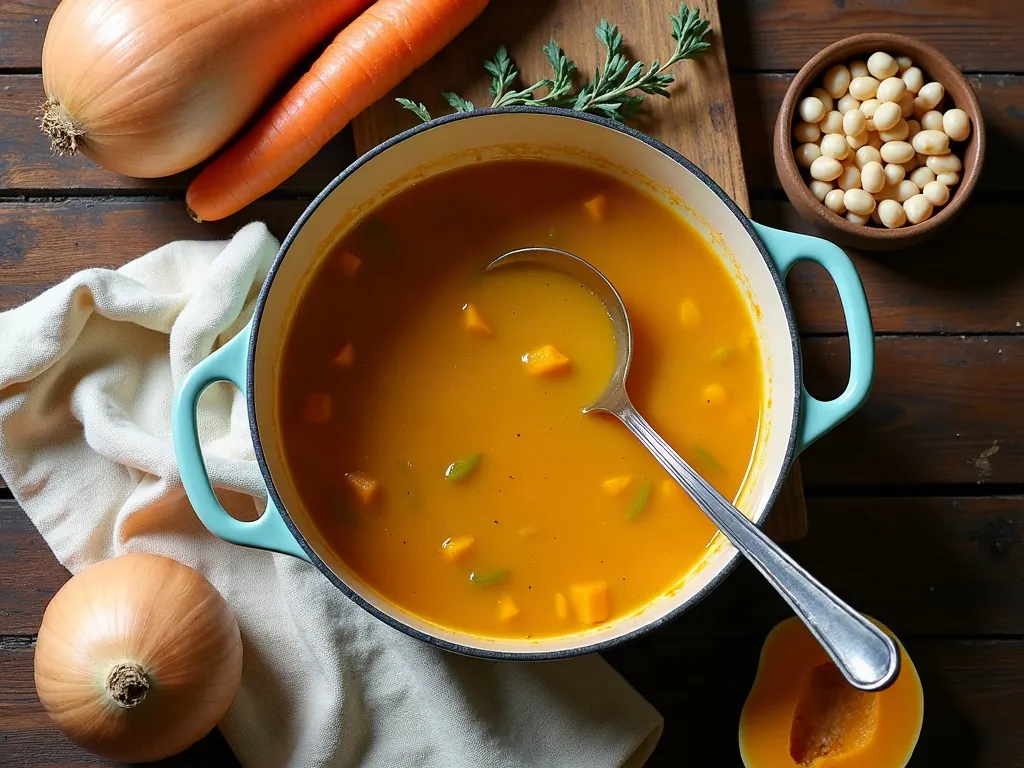
Soup Season, and the Pot That Feeds the Week
A pot of soup in four moves: use up odds and ends, with enough left for a thermos lunch and a flat bag in the freezer.
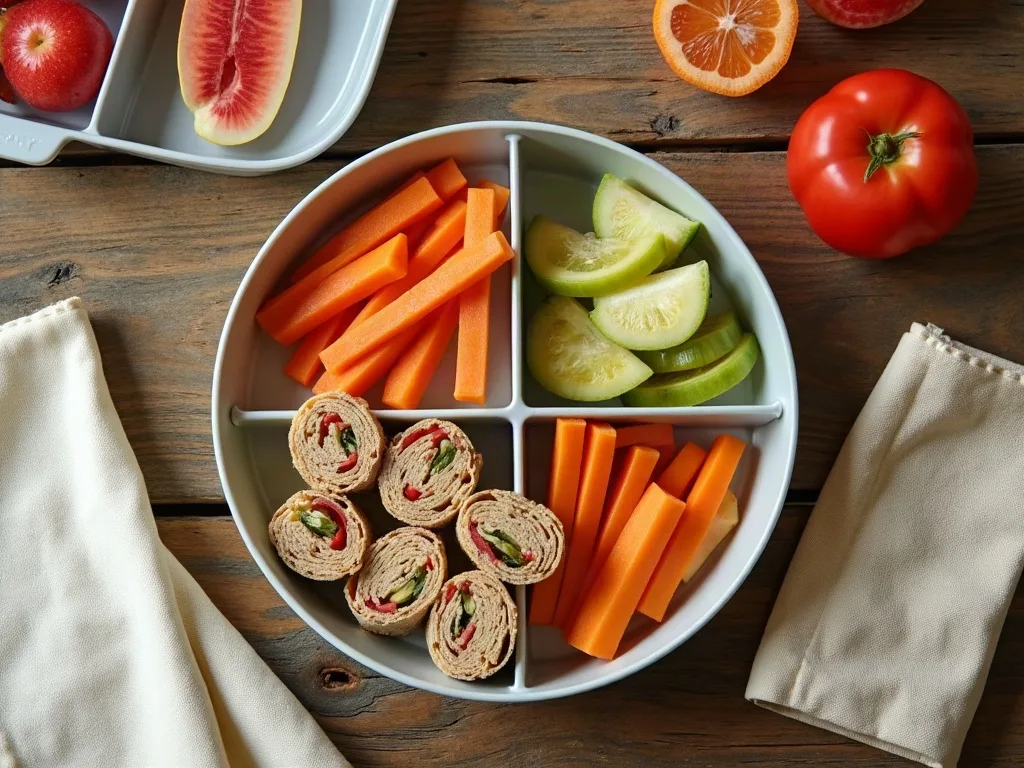
The Weeknight Pan Dinner
Notes on building a one-pan weeknight dinner without a recipe, using a sheet pan, half an hour, and whatever is left.
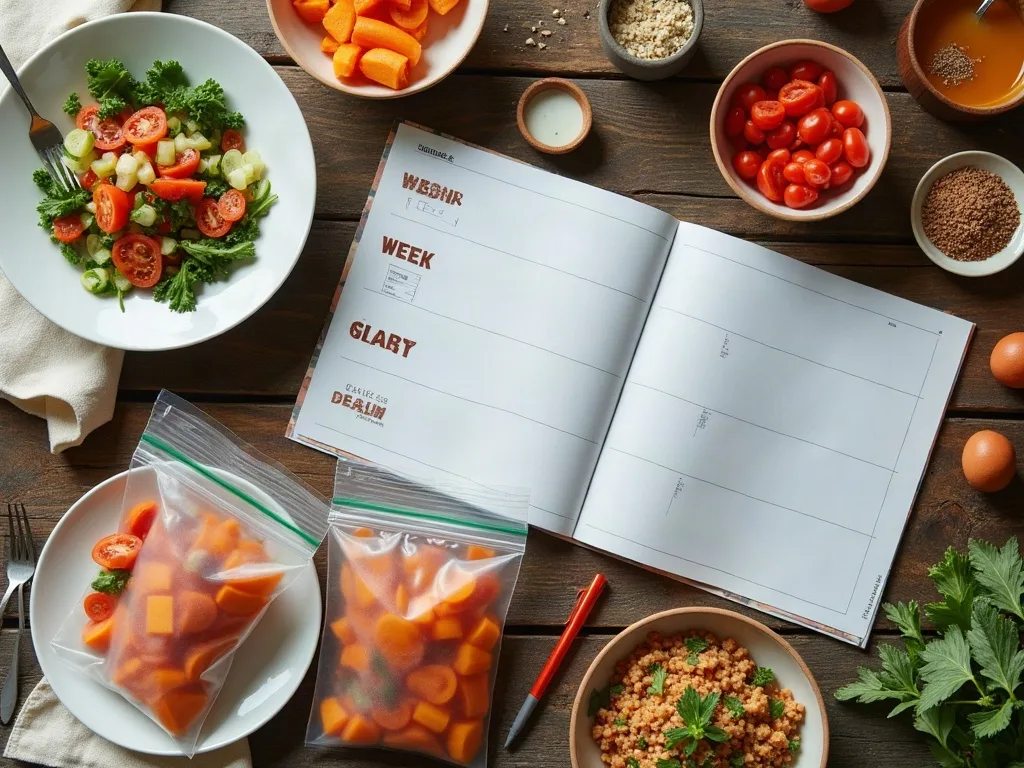
Apples on the Counter, One Loaf at a Time
Notes on one-bowl apple baking: a loaf and muffins for breakfast and lunchboxes, plus the archive's ten-minute skillet apples.
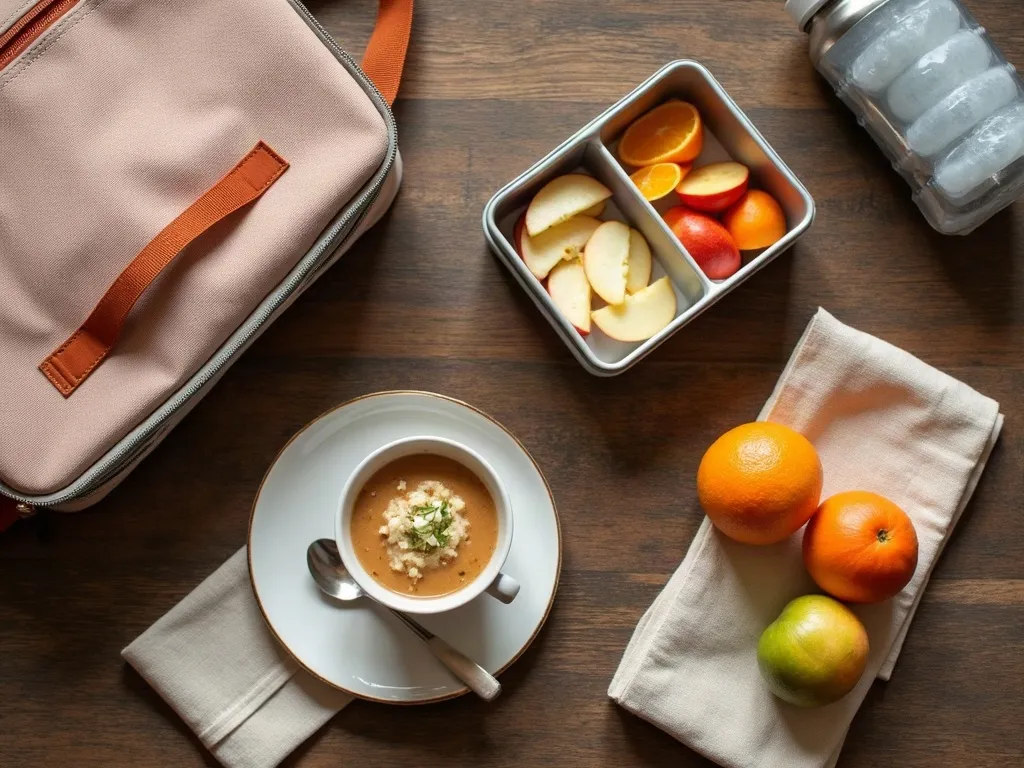
Lunchbox Notes for the Middle of Fall
Practical packed-lunch notes: what travels well, how to keep cold food cold, and how the archive's prep style scales down to a lunchbox.
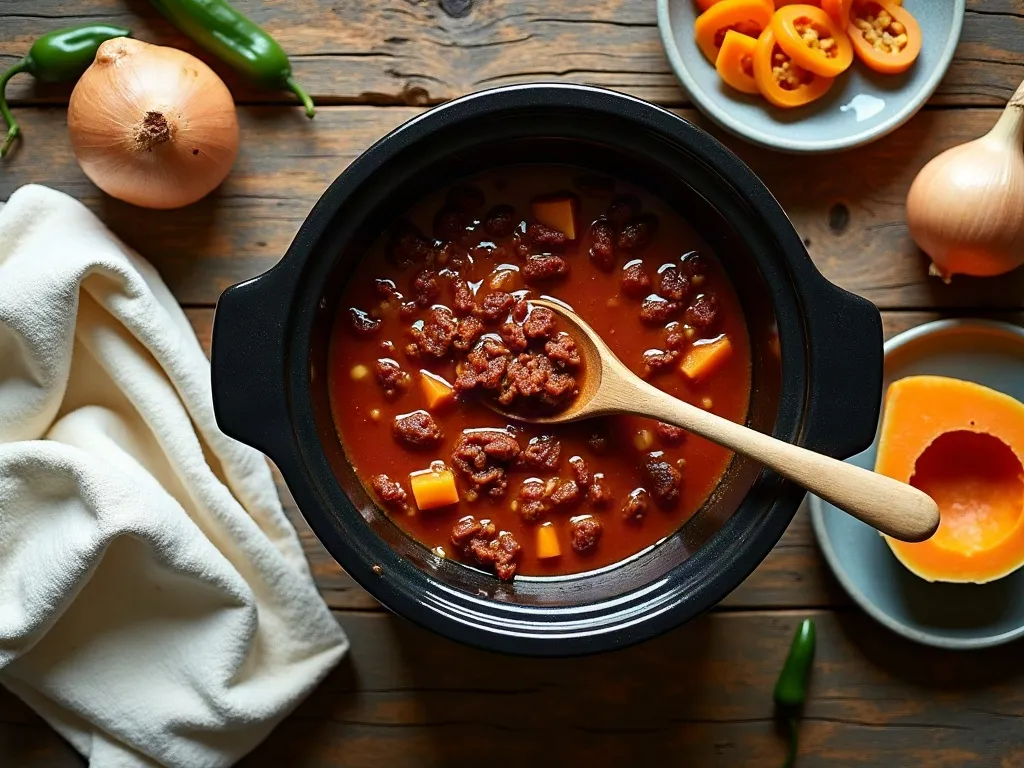
Slow Cooker Weather
October notes on the slow cooker: the archive's squash-thickened paleo chili, a crock-pot day, and what the pot is honestly good for.
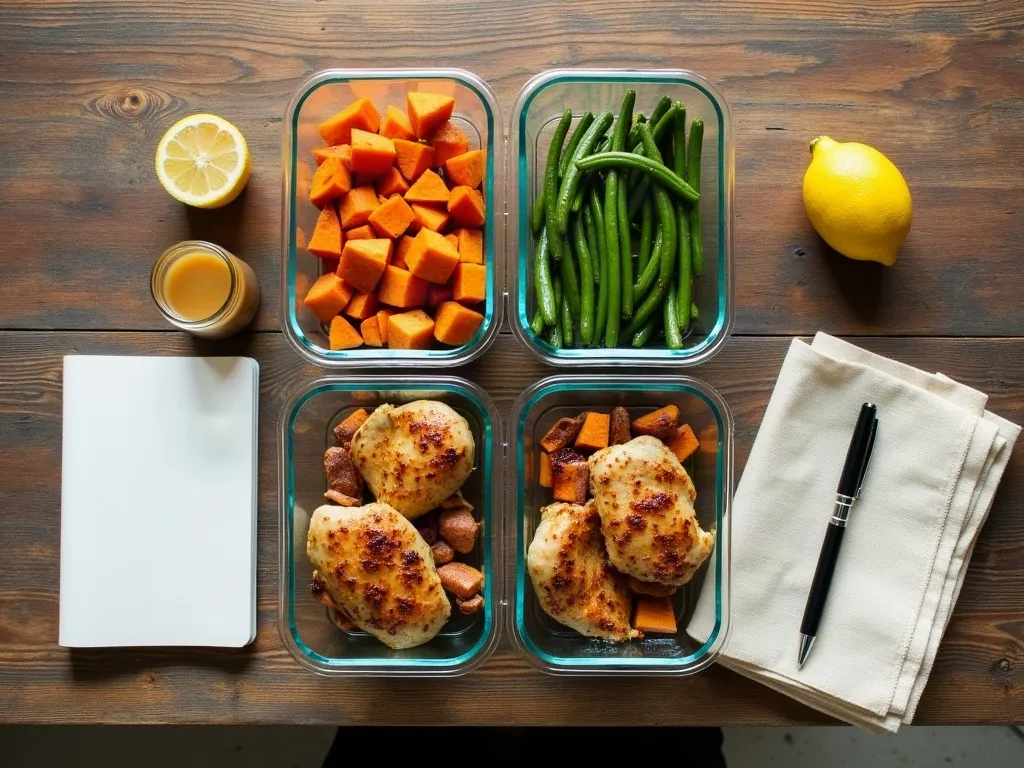
Meal Prep That Actually Survives Wednesday
Most meal-prep plans collapse by midweek. Notes from the archive on the prep style that doesn't: cook components, not complete meals.
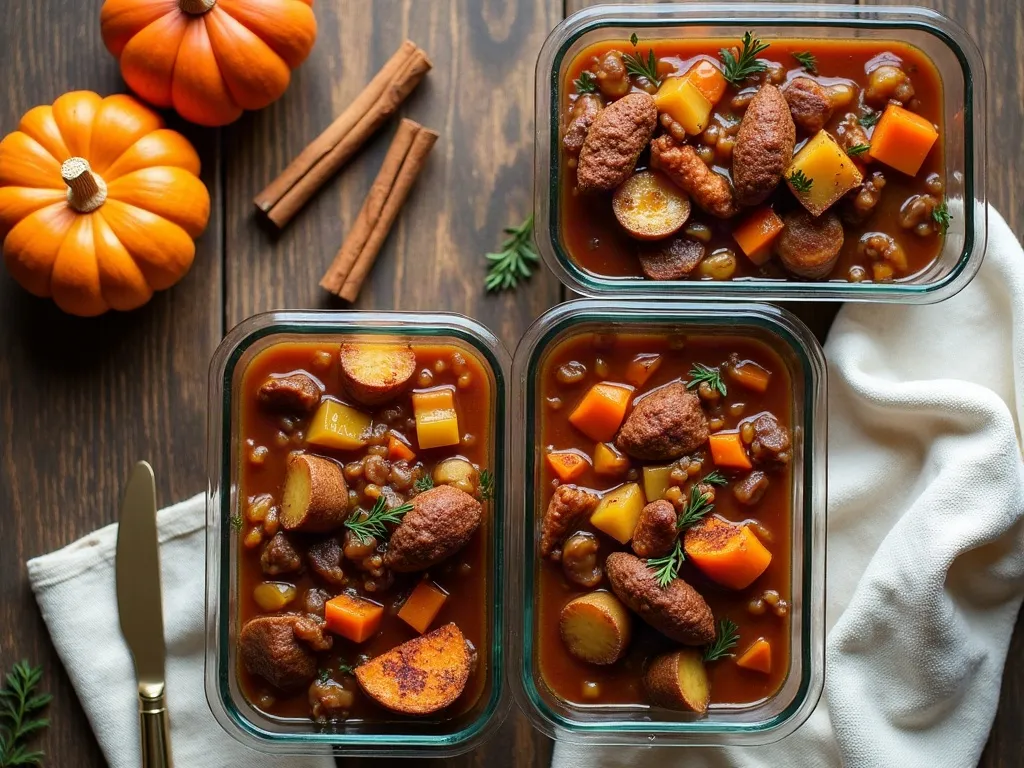
Fall Is Freezer-Cooking Season: Notes on What Holds Up
Cooler weather means the slow cooker earns its counter space again. Our notes on which archive recipes freeze well — and how we updated them for fall.
The Archive Is Back — and Here's What's New
Healthy Mom on the Run is online again. A short note on what is back, what we revised, and where to start reading.