
Apples on the Counter, One Loaf at a Time
By October the apples have outrun the appetite for raw apples. Notes on one-bowl baking — a loaf and a tray of muffins that carry breakfast and the lunchbox through the week, plus the archive's ten-minute skillet apples.
bakingfall cookingbreakfastlunchbox
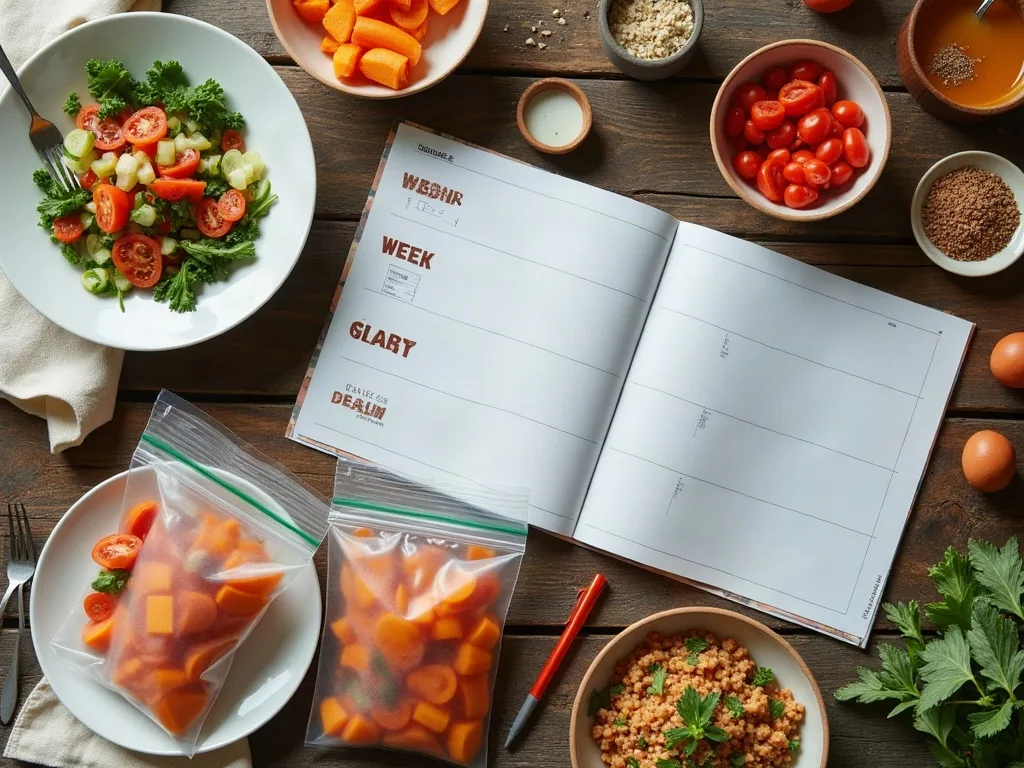
At some point in October the bowl of apples stops being fruit and becomes a small logistics problem. There is the bag from the market, the handful someone brought over from a tree in their yard, and the ones that got picked with great enthusiasm and then forgotten on the counter. Eaten one at a time, they never quite keep up. Put eight or ten of them into a single batter, though, and the whole bowl is solved in one go.
That is the argument for baking right now. Not a project, not a decorated cake — one bowl, one loaf, one tray of muffins, and a week of breakfasts that already exist.
The whole recipe is one bowl
A quick bread or a muffin batter is about as forgiving as baking gets: flour, sugar, a leavener, salt, fat, an egg or two, some milk, and apples doing most of the flavouring. Melt the butter first and it genuinely is one bowl — dry things whisked together, wet things stirred in a jug, then the two combined with a spatula.
The only real instruction worth guarding is to stop early. A batter mixed until it looks perfectly smooth has been worked too long, and a loaf baked from it comes out tight and chewy instead of tender. Stop while streaks of flour are still visible; the last few turns of the spatula finish the job.
One note from the archive’s era, since the subject always comes up with applesauce: the site’s Weight Watchers years used it to replace part of the oil in baked goods, which is a legitimate kitchen trick and a normal thing to do with a jar of unsweetened applesauce. It is worth knowing what it does, though. Swap all the fat and the crumb turns dense and a little rubbery at the edges. Replacing about a third keeps the loaf soft and still lightens the batter. Treat it as a texture decision, not a nutrition one.
Two small things that do most of the work
The first is a coarse lid. A spoonful of turbinado or demerara sugar scattered over the top before baking gives the crust a crackle that no amount of extra butter will. It also makes a plain loaf look deliberate, which matters more than it should when you are serving it to people at seven in the morning.
The second is patience with the cooling rack. A loaf or a muffin wrapped while it is still warm steams itself inside the wrap, and the crust goes soft and damp. Let it cool completely, then store it. It is the difference between a bake that holds up on Wednesday and one that is soggy by Tuesday.
What a loaf is actually for
Baking a quick bread is really a breakfast decision, made once, in advance. A slice goes out the door with coffee. A muffin turns a lunchbox from a collection of parts into something with a treat in it — the packed lunch notes from earlier this month cover the rest of that routine, and a tray of twelve muffins slots into it neatly. One child who will not touch a sandwich at noon will still eat a muffin, and that is not nothing on a long school day.
The tray also gives a good reason to double the recipe rather than scrape it. Cool the second half completely, wrap it tightly, and put it in the freezer — the fall freezer notes cover the container habits that keep baked goods from picking up freezer burn. A muffin pulled straight from the freezer in the morning is thawed by lunch, and a wrapped loaf comes back on the counter overnight.
For the nights the oven is not happening
There is a faster version of the same idea already in the archive: the skillet fried apples that came out of the 2011 paleo roundup, inspired by a blog from that era. Sliced apples, coconut oil, cinnamon, a splash of coconut milk at the end — about five minutes in a pan, and you have something warm that works over oatmeal, beside pancakes, or spooned next to roast pork. It is also the honest answer on a Monday night when the oven is not going to happen and you still want the smell of apples and cinnamon in the kitchen.
An hour that buys back four mornings
None of this is about the pleasure of baking for its own sake, though there is some of that too. It is about moving a bowl of apples into the days that come after, so that a short Tuesday morning already has an answer on the counter. One bowl, roughly an hour, and the fruit stops being a problem to solve and becomes breakfast.