
The Dinner That Starts Last
Most of the dinners in this kitchen are decided hours before they are eaten. Pasta is the exception — the one meal whose real work sits in its last fifteen minutes, and the water in the pot is an ingredient nobody puts on the list.
weeknight dinnersexplainerkitchen notes
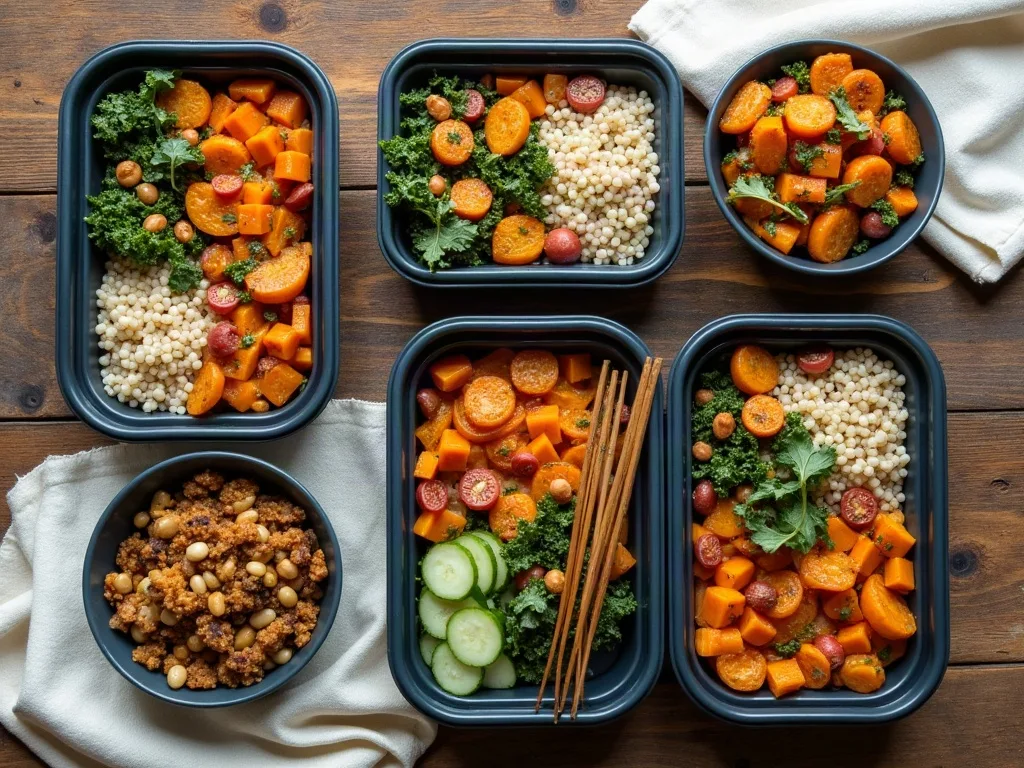
By ten past six on a November evening, most dinners in this kitchen are already three-quarters decided. Something is in the oven and has been for an hour. Something went into the slow cooker before anyone left the house. Or a flat bag came out of the freezer at noon and has been thawing quietly in the refrigerator ever since, which is a plan made at breakfast for a meal eaten in the dark.
All three of those shapes lean on the same trick, and it is the trick this archive has spent years recommending: do the work early, then leave it alone. A braise is a short recipe with a long wait — that is the whole shape of the pot that goes into the oven. A tray of vegetables in the oven at four o’clock is the same idea with a shorter fuse.
Pasta is the one dinner here that refuses the trick. Almost nothing about it can be done early, and the part that can — a pot of sauce in the freezer — is the small part. Everything that makes the dish good happens in the last fifteen minutes, in front of whoever is standing in the kitchen.
What can actually be done at four o’clock
The sauce, yes. Grated cheese, sure. The pot filled with water and left on the stove.
But the water is the one thing that waits badly. Hot water does not improve on the hob; it only costs more to keep there. And the pasta itself has no early version at all. This kitchen batches rice on purpose, and the reason is that rice is better on the second day than the first. Pasta is the opposite: there is no day two. It is cooked, drained and eaten, and anything left in the colander is already a lesser thing.
So pasta night’s prep list is short, and almost all of it is shopping rather than work. Sauce, salt, cheese, something green if there is something green. That is the whole mise en place, and it is a good reason to keep a container of tomato sauce in the freezer even in a week when nothing else got made ahead.
The water is not just a cooking medium
Two things happen in that pot, and neither one is on the ingredient list.
The first is salt. The water is the only chance to season the pasta itself; sauce sits on the outside of a strand and never gets in. Water that tastes seasoned, not salty like the sea and not plain like a tap, is the difference between pasta that tastes of something and pasta that tastes of sauce.
The second is starch. Water that has had pasta in it is cloudy, and that cloudiness is what makes a sauce hold onto noodles instead of sliding off them and pooling in the bowl. This is why the cup you dip out before draining matters so much, and why rinsing the pasta in the colander undoes work you just did — the rinse washes off precisely the thing you were going to add back.
It is worth noticing that this is the exact opposite of the rule in a skillet. In a pan dinner the liquid is what has to leave; the fifteen uncovered minutes in the archive’s fajitas are there to let it go. In the pasta pot the liquid is what you keep.
The join
The last move is the whole dish. Pasta goes into the pan with the sauce, off the heat, with a splash of the starchy water, and gets tossed until the sauce stops sitting on top and starts coating.
Off the heat matters. A sauce that tightens in the pan tightens further once the pasta is in it, and the water is the only lever you have to loosen it again without thinning the flavour. Add a little, toss, look. Add a little more. The pan is not where the sauce is made. It is where the sauce is finished, which is a shorter job than most recipes imply and the reason a two-vessel dinner here behaves like a one-pan one: the pot and the pan are working at the same time, and neither is waiting on the other.
The archive’s other pasta dinner runs the other way
The 2010 chicken parmesan in the archive is the counter-example, and it is worth cooking for exactly that reason. The cutlet is coated, seared, then finished in the oven under crushed tomatoes, garlic and a whipped ricotta-basil layer, and the card serves it over pasta — the archive suggested rice pasta — with the tomatoes on the chicken doing double duty as the sauce underneath. Its own timings and its own internal temperature are printed on the card, where they belong.
That dinner is front-loaded. The searing and the assembly happen when you have the attention for them, the oven does the rest, and the pasta at the end is a bed rather than a performance. It is the pasta-adjacent meal to cook on an evening you are not sure of. Plain pasta with sauce is the one to cook on an evening you are.
Which night this is
The practical consequence is a little counter-intuitive: pasta is a poor rescue dinner. On the night you walk in at seven with everybody hungry, the freezer is the answer, because the freezer is stored work and pasta is not. Pasta is the dinner for the ordinary night — home by six, nothing else pulling at the evening, the sauce already made on some earlier day.
It also asks something of the household, mildly. Pasta waits for nobody: a drained pot sitting in the colander for ten minutes while people finish what they were doing is already the worse version of the meal. Which is not a reason to be strict about it. It is a reason to put it on a night when everyone is actually converging, rather than the night when three people eat at three different times.
The pot coming to the boil is the most honest signal in this kitchen that dinner has started. Nothing is hidden, nothing was done in advance, and there is no way to hurry it. Some nights that is exactly the dinner you want.