
The Spice Shelf Is an Ingredient
Late October is when the spice shelf gets looked at twice — once for baking, once for chili. Notes on buying small, toasting whole, blooming in fat, and writing your blend down.
explainerkitchen notesfall cookingbaking
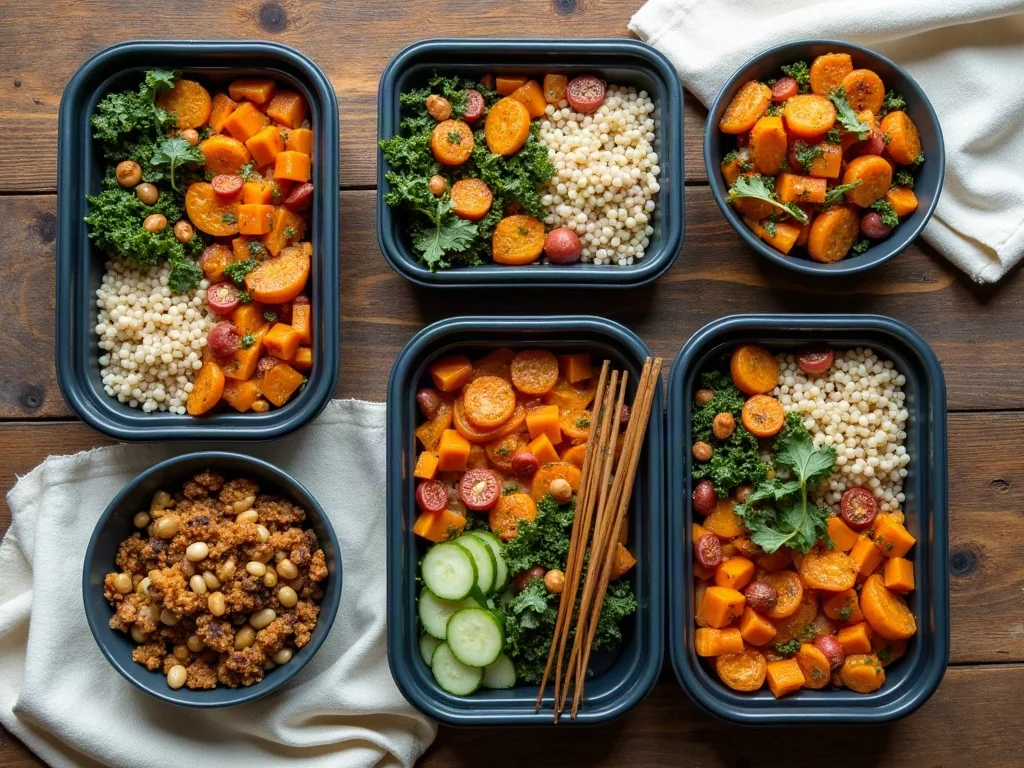
Twice a year the spice shelf gets looked at instead of reached into. The end of October is one of those moments: the first real braise of the season and the first tray of holiday baking want cumin and cinnamon in the same week, and both of them notice when the jar has been sitting there since last winter.
The rest of the year the shelf is furniture. We reach past eleven jars to the same three, and the other eight are neither good nor bad, just unexamined. Twenty minutes with the lids off is enough to change that, and it is probably the cheapest improvement available to a weeknight kitchen.
Smell is the test; there is no calendar on the lid
The date printed on a jar tells you when it was packed, not what it tastes like now. A house practice beats a rule here: tip a little into your palm, crush it, smell it. Cumin that smells like cumin is fine. Cumin that smells like dust with a memory of cumin will not do anything for a pot of beans, and no amount of it will. If you cannot name a spice with your eyes closed, it is not going to name the dish either.
That same test decides what to buy next time. Buy the jar you will actually finish — a small one from a shop with turnover beats a bargain bag that will still be half full next winter. Bulk bins are wonderful when the bin is busy and questionable when it is not; using your nose in the shop is allowed and less awkward than it sounds.
Whole spices keep their character far longer than ground ones, for the obvious reason: fewer cut surfaces, less air. So buy seed and stick where you can, and ground where you cook in volume. Cumin seed and ground cumin are two different ingredients that happen to share a name.
Toast first, and stop when it smells right
A dry skillet over medium-low heat, seeds in a single layer, moving them constantly. The cue is smell, not colour. Whole cumin and coriander go from raw to toasted in about the time it takes to read one message and answer it, and from toasted to acrid only shortly after. Take the pan off the heat before you think you need to; a dry pan keeps giving.
Grind in small batches — a spice grinder, or a mortar when you want the seeds coarse — and only what the next few weeks will use. Toasted and ground is a third ingredient again: rounder, warmer, and less sharp at the edges than the powder it came from.
Then let it meet the fat
This is the step that separates a spiced dish from a dish with spice in it. Powder stirred into a finished pot sits on top of the food. The same powder dropped into the oil after the onions — thirty seconds, before the tomatoes go in — dissolves into the fat and then into everything else. Chili powder, cumin, paprika: they need that moment.
The archive’s 2011 slow cooker chili used two packets of chili seasoning mix. That is an honest detail from the era, and a reminder that the shortcut was never the point: build the same flavour from the shelf — chili powder, cumin, oregano, a little smoked paprika, cayenne to your house’s taste — and the pot tastes like your kitchen instead of like a packet. The homemade fajita seasoning in the archive is the same idea in a smaller jar: chili powder, cumin, paprika, garlic powder, onion powder, oregano, salt and a pinch of cayenne. That ratio is worth keeping.
Write the ratio on the lid
A blend you cannot repeat is a memory, not a recipe. Masking tape on the jar, four short lines: what it is, the parts rather than the cups (parts double), what it is for, and the date it was mixed. It is the freezer-label habit pointed at the cupboard — and it answers the question you will otherwise ask yourself in February, standing in front of the same shelf with a spoon.
Keep the salt out of the blend
Salt is the one thing in the kitchen that has to be adjusted at the end, in the pot, by taste. A blend with salt built into it hands that decision to a measuring spoon. Salt the food in layers and let the blend be about flavour.
Finishing spices are their own small category: black pepper cracked at the end, a pinch of cayenne in the last minute of a pan, cumin dusted over a bowl at the table. The rule from the soup notes holds everywhere in the kitchen — strong flavours early, delicate ones late.
And move the shelf
If the jars live above the stove, they live in the warmest, steamiest, most changeable air in the house. One cupboard door further away, lids tight, a dry spoon rather than a wet one, and the shelf stops being a rumour.
Twenty minutes at the end of October, then once in spring. After that the eleven jars stop being decoration and start being dinner, which is more or less what a spice rack was for.