
Roll the Shell Now, Fill It Later
The pie is decided by its dough — and the dough is the one part worth doing a month early, provided it goes into the dish instead of just into a bag.
bakingfall cookingmeal prep
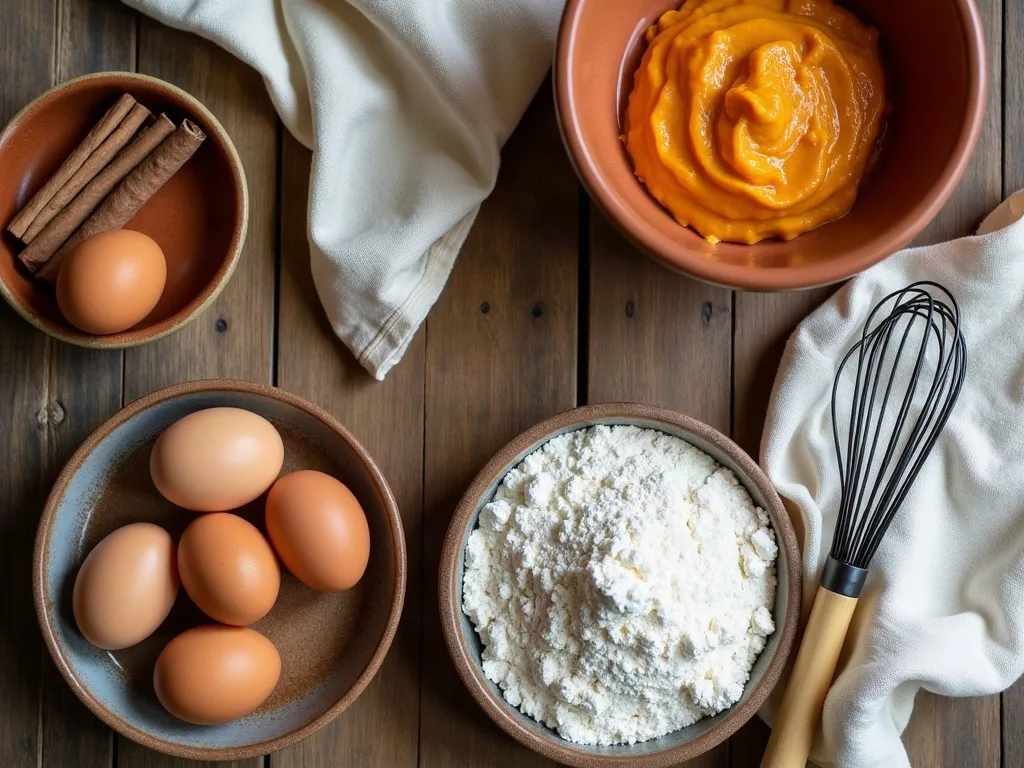
Thanksgiving is four weeks out from tomorrow, and the holiday baking conversation has already started in the usual place: which pie. That is the wrong first question. A pie is decided by its dough, and the dough is the one piece of the whole enterprise that can genuinely happen a month early — a Wednesday in October, on a table with flour on it, with nobody waiting for dinner.
A disc in the freezer saves less than it looks
Most freezer advice about pie stops at the disc: mix the dough, flatten it, wrap it, freeze it, congratulate yourself. But a disc buys you only the mixing and the first chill. On the day you still have to flour a bench, roll it out, lift it, fit it into the dish, crimp it, chill it again before it goes anywhere near a hot oven, and only then start on the filling.
The thing worth freezing is not the dough. It is the shell — rolled, fitted, crimped, in the dish. That version buys back the whole sequence, and it buys back the counter space too, which in the last week of November is a currency of its own.
Rolling is temperature and patience, in that order
Cold dough, short spells, and a bench you have floured properly. Not the dough itself, which should stay as dry as you can keep it: flour the wood, flour the pin, and keep a small bowl of extra flour to one side for the spots where things begin to stick.
Roll from the middle outward, never back and forth like you are sanding a door. Give the dough a quarter turn after every few passes, lifting it rather than dragging it. You are looking for an even round a few inches wider than the dish, thin enough to be tender and thick enough not to tear when you lift it. Thickness is a feel rather than a measurement: the spots that go translucent are the ones that will split, and the spots that stay stubbornly puffy are the ones that will slump down the side of the dish.
If it tears — and in a warm kitchen it will — press a scrap over the tear with a wet fingertip and carry on. Nobody will ever know, and a patched shell bakes exactly like an unpatched one.
Ease it in; do not stretch it
This is the one place where a pie punishes impatience. Lay the round into the dish and let it fall into the corners, pressing gently with your fingertips. What you must not do is pull it. A stretched shell remembers: it shrinks back from the rim while it bakes, and the neat crimp you spent five minutes on drops an inch down the inside of the dish.
Trim the overhang with scissors, leaving a finger’s width beyond the rim, then fold that margin under itself all the way around and crimp. The crimp is not decoration. It is the seal that keeps the edge from sliding, and it is the handle you will use to rotate the pie halfway through.
Then the dish goes into the freezer, uncovered, until the shell is solid — an hour or so, and longer is fine. Once it is hard, bag it, and tape the bag the way the freezer notes here always do: what it is, the dish size, the date, and whether it is raw or par-baked. Add the oven temperature and the minutes straight off the recipe card, because the card will not be in your head in November. That is the same habit as the cookie dough log, pointed at a different shape.
If you own only one pie dish, do not give it up for a month. Freeze the shaped shell on a parchment-lined plate, bag it flat, and slide it back into the dish while it is still frozen. A frozen shell is rigid; it handles better than a soft one.
The one decision worth making now
Pies split into two families, and the split decides whether the shell is par-baked.
A filling that needs the oven — apples, pumpkin custard, anything that sets while it bakes — wants a raw frozen shell. The filling goes in cold, the whole thing goes into the oven together, and the frozen pastry actually helps: it holds its shape through the first minutes, when a soft shell would slump.
A filling that does not need the oven — pastry cream, lemon curd, a pudding — wants a fully baked shell, done now. Line the frozen shell with parchment, fill it with weights or a jar of dried beans, and bake it until the surface stops looking wet and the edges have taken colour. Then lift the parchment out and let the bare shell finish. The recipe card carries the temperature and the minutes; the cue in front of you is the surface, and the cue is the thing to trust when your oven runs the way ovens run. Cool it completely — properly, not hopefully — before it goes into a bag, or the trapped steam softens the very crispness you baked it for.
What goes in it, later
The filling is the part that genuinely should wait, and it is the easier half. The October apple notes already cover the baking side of the season; for a pie, the only addition is that fruit needs a few minutes of rest with its sugar and a spoon of starch before it goes into the shell, or it weeps into the bottom crust and turns it to paper.
Why October
Because the Thursday itself is a queue, and a queue is easier to shorten now than to manage then. A shaped shell in the freezer, a bag of par-baked ones beside it, a container of filling base — these are the things that take minutes off the day when minutes are the scarcest item on the list. The oven plan assumes exactly this: that some of the work arrived already done.
A pie is not a difficult dessert. It is a dessert with a great many small decisions in it. Almost all of them can happen on a Wednesday in October, with the radio on and no one asking when dinner will be ready.