
An Hour Goes Back, and Dinner Moves With It
The clocks change on Sunday and the light leaves an hour earlier. Notes on the week when the window stops being a reliable signal for when to start cooking.
fall cookingweeknight dinnerskitchen notes
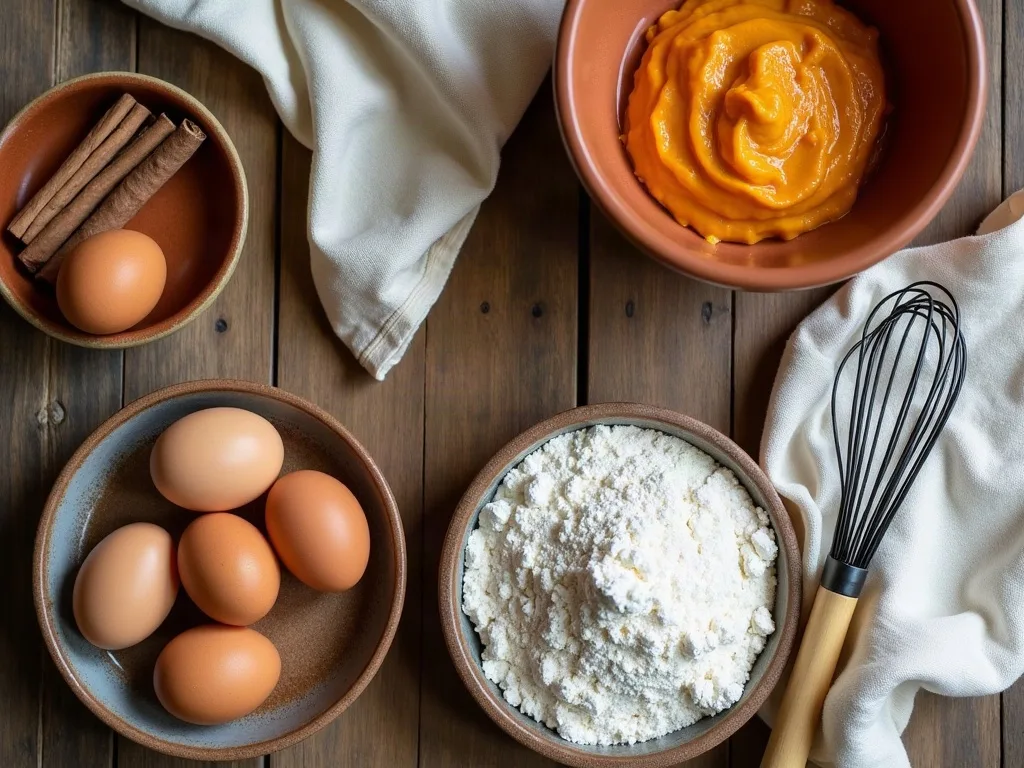
Saturday’s porch light goes off, the last group of trick-or-treaters walks home, and a few hours later the hour between one and two happens twice. Saturday’s dinner is already accounted for — the pot on the counter, the mugs, the bowl by the door. What nobody has planned for is the Monday.
Sunday morning looks normal. Sunday evening does not. The five o’clock that was still lit on Friday is dark on Sunday, darkness arriving an hour earlier than the week before, and it stays that way for the next four months. The change lands at 2 a.m. on Sunday, November 1 this year, and the kitchen loses its hour of daylight at precisely the end of the day where the cooking happens.
The window is the cue, and it lies for a week
Ask what actually starts dinner in most houses and it is rarely the clock. It is the window — the light going gold, the room dimming enough that someone reaches for the switch. That cue is right for eleven months of the year and wrong for one, and the wrongness is concentrated in the first week.
It fails in two directions. Cooking an hour early is the obvious one: the kitchen reads as six o’clock at five, the onions go on, and the pot is finished and waiting while the table still has homework spread across it. The other direction is quieter and costs more. Nobody starts anything, because it does not yet look like dinner time, and by the time the room is properly dark the stolen hour has already been spent on nothing.
The house fix is a single line on the counter: set the timer for the hour dinner starts, not the hour it should be done. A finish time is a hope. A start time is a decision, and it is the only one of the two that survives a kitchen where nobody is watching the clock.
The pot keeps your clock
This is the week the slow cooker stops being a gadget and becomes the answer to a scheduling problem. It was set at noon by a person, not by the light, and it will be ready at half past five whether the window agrees or not. When the one who has practice walks in at quarter to seven, the pot is still there and still dinner. The slow cooker notes cover the rest — browning first, a full insert, the pot as more than one meal.
The sheet pan does the same job with more attention and less waiting. A pan dinner is roughly half an hour of oven time and one turn, and none of that depends on daylight. It is also the shape that tolerates a dark kitchen best, because the cues it gives are smell and the oven light rather than the colour of the room. If the vegetables look pale, the reason is a crowded pan, not a gloomy afternoon — the pan-dinner notes are specific about the single layer.
The appliances keep the wrong hour
Every clock in the kitchen changes except the one that matters. The oven, the microwave and the coffee maker will read an hour ahead until somebody gets to them, usually in the second week, usually by accident. The timer is the only clock that never lies, because it counts from a moment you chose rather than from a moment the power company chose.
So for the next seven days, do not read the oven clock to judge a pot. Put the phone face up on the counter, set it, and let the oven display be wrong in peace. This sounds fussy and it is not: the reason a pan gets forgotten is almost always that somebody trusted a clock that had quietly stopped being true.
Setting the evening order
The other thing that shifts is sequence. Lunch gets packed in the dark now, under the cabinet light instead of the window, and it is worth moving that job to while the pot is still on rather than after the kitchen has been closed down for the night. What was a daylight task in October becomes a task that needs the counter cleared and the light on, and it is much easier to do it in the middle of cooking than to come back for it at nine.
Then there is the earlier dark itself, which does something nobody expected the first November we paid attention to it. It gathers people. The garden goes dark, the bikes come in, the last of the outdoor errands stops being an option, and the house fills up an hour sooner than it did last week. Dinner at half past five is no longer a rushed meal eaten before everyone scatters; there is nowhere to scatter to. The same plate of food becomes a sit-down dinner, and it cost nothing but the light.
An hour of daylight is genuinely gone until spring, and there is no arguing with that. But the hour it takes is the hour at the end of the working day, which is the one hour a kitchen rarely used well anyway. The pot goes on earlier, the timer says when, and the dark outside the window turns out to be a fairly good reason to sit down.