
Cookie Dough in October, Cookies in December
The bake-ahead that actually survives the holidays: roll the dough into a log now, write the oven temperature on the foil, and bake to order later.
bakingfreezer mealskitchen notes
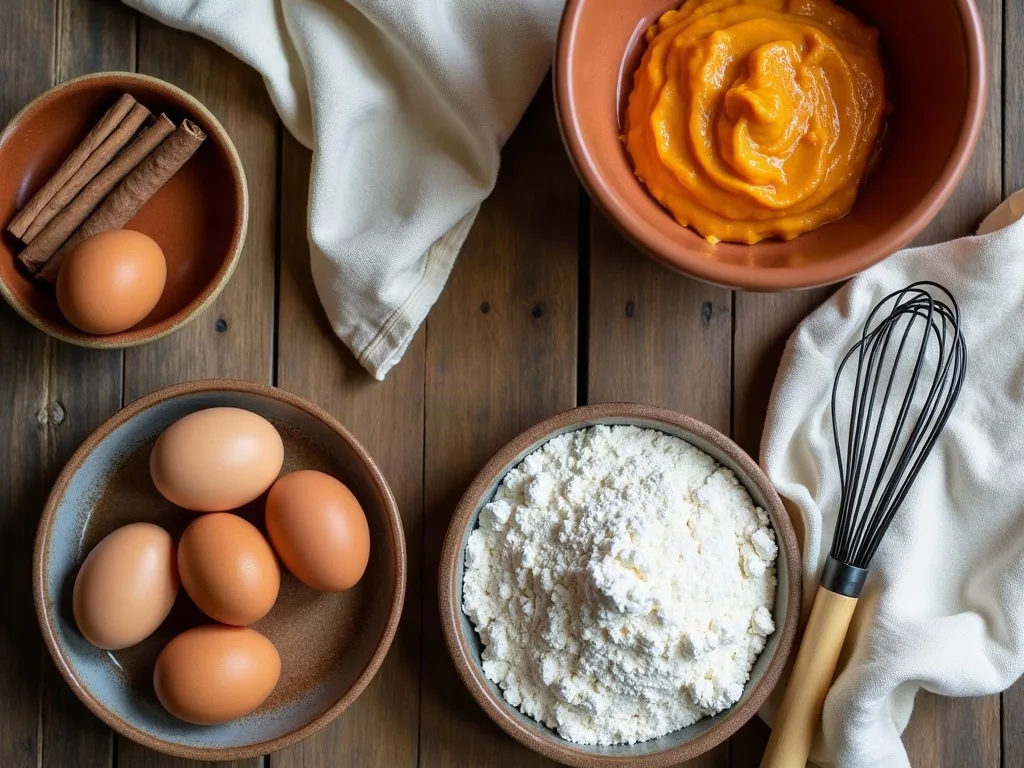
There is a short window in the middle of October when the freezer still has room and the oven still feels like a good idea. Both of those things will be gone by the second week of December, when the baking we meant to do collides with everything else December already is.
So the one piece of bake-ahead worth doing now is not the cookies. It is the dough.
Why the dough and not the cookie
Baked cookies go into the freezer as a stack of fragile things that need a container, take up a shelf, and come out tasting faintly of the inside of a freezer unless they are wrapped twice. A log of dough takes the shape of its own wrapper. It slots into a corner, it does not care how long it sits there, and when you want cookies you cut off what you want and put the rest back.
That last part is the real argument. A log is not a batch; it is however many cookies you feel like making on a Tuesday, which is a different kind of baking from the one that requires a reason. Some nights that is four. Some nights it is one tray and a glass of milk at nine o’clock.
A dough that behaves
Almost any drop-cookie dough will do this, but the short, buttery ones do it best — the kind with more butter than liquid, and no loose, pourable batter. A wet dough will not slice; it slumps in the freezer and puddles on the sheet. If the dough is soft enough to spread on its own, chill it first, then roll.
Shape it on a sheet of parchment, using the paper to help you push it into a log rather than your hands. Twist the ends closed like a cracker wrapper and put it in the refrigerator until it is genuinely firm; a warm log flattens under its own wrapper and bakes into ovals. If you want the crisp sugared edge, scatter coarse sugar over the parchment and roll the firm log through it before wrapping.
What goes on the wrapper
This is the part that decides whether the dough gets baked or quietly outlives its usefulness. Masking tape and a marker, on the outside of the foil, in four short lines:
- what it is, and roughly how many cookies it makes
- the date you rolled it
- the oven temperature and the minutes, exactly as the recipe gave them
- how thick you cut the slices
The recipe will not be in your head in December. It is not in ours now. Writing the numbers on the wrapper is the same tape-and-marker habit the freezer already runs on, pointed at something sweet — and it is the reason a log pulled out on a busy evening is an easy answer rather than a small research project.
Baking from frozen
Slice straight from the freezer onto a cool, parchment-lined sheet and go. Softening the dough first undoes the work of chilling it, and the rounds spread. The first tray usually wants a couple of extra minutes beyond what the card says — call it an estimate rather than a rule, and watch it, because it is also the tray that tells you how your oven is actually running this month.
After that the numbers settle, and the second tray behaves. This is the same cooling-rack patience our apple baking notes ask for: let the baked cookies cool completely before they go anywhere near a container, or they steam themselves soft and taste of the shelf they sat on.
What does not belong in the freezer
Anything frosted, glazed or decorated. Icing smears through a wrapper, colours bleed into each other, and sugar decorations go damp and grainy. Bake those cookies bare, freeze them bare, and put the icing on in the week you plan to eat them — or leave a bowl of it on the counter and let the household do the decorating, which is honestly the part everyone wanted to do anyway.
Meringue-type cookies shatter in the cold and are better made fresh. Bar cookies are the exception that skips the whole discussion: bake them in the pan, cool, cut, and freeze the slabs with parchment between them.
House rule at the counter
Raw dough does not get tasted at our counter. The dough goes in the oven or back in the freezer, the spoon goes in the sink, and we say it out loud before the bowl comes out — especially when there are helpers standing on a chair. A rule stated first is a rule that holds.
What this buys
An hour on a Saturday in October, a corner of the freezer, and a marker. What comes back is an evening in December when the house smells like butter and nobody had to go to the store, or find the recipe, or remember anything at all.
The freezer is a place to put time. This is one of the better ways to spend it.