
The Root Drawer, and the Clock That Starts at the Market
Carrots, beets and parsnips come in crisp, and the drawer they land in is not a root cellar. Mid-October notes on sorting roots by firmness, cooking them two ways, and getting the peelings into the stock bag.
seasonal producefall cookingkitchen notes
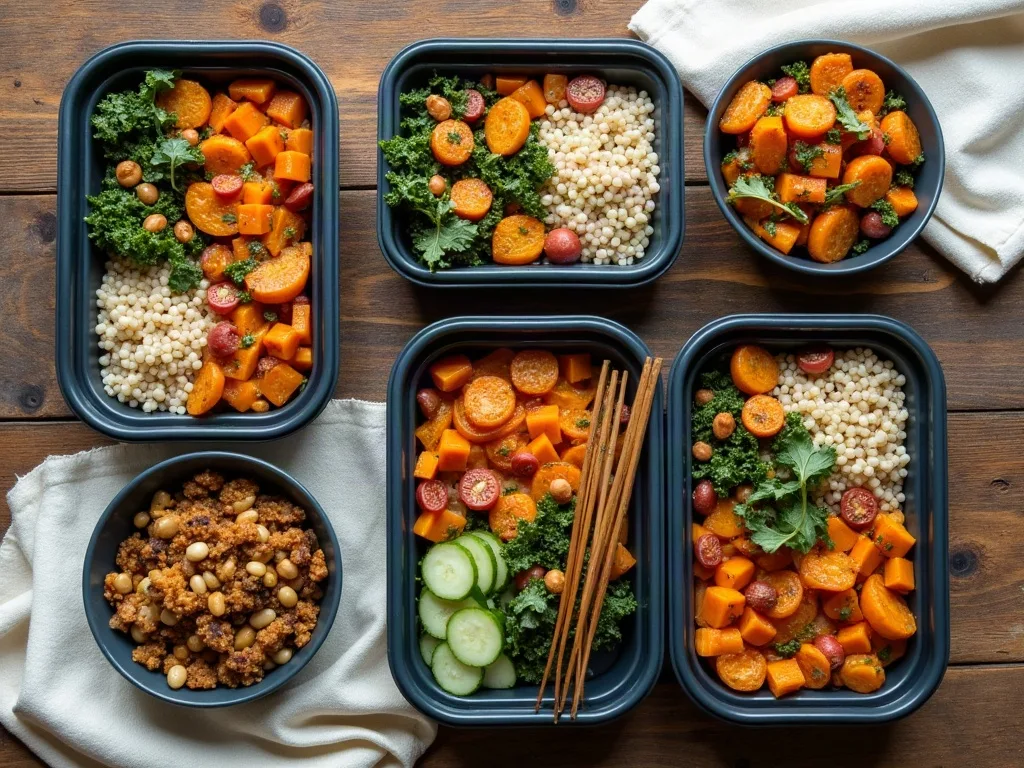
The market tables turn over completely by the middle of October. Where there were tomatoes three weeks ago there are now carrots with their tops still on, bunches of beets, parsnips, turnips, and the last of the radishes. Everything in that pile is a root, and everything in that pile came out of the ground to be eaten rather than to sit.
That last part matters, because roots carry a reputation they did not earn in a kitchen like ours. The stories about roots keeping for months belong to a root cellar — a cold, damp, ventilated room that almost none of us have. What we have is a drawer near the bottom of the refrigerator, and a drawer is a shelf with a clock on it. Nothing down there waits the way a squash waits on the counter. Roots come in crisp, and crisp is a countdown.
Sort by firmness, not by kind
The useful ten minutes happen when the bag comes through the door. A bunch of leaves is the first thing in it to give up, and it takes the mood of the whole drawer with it, so cut the tops back to an inch or so. If they are beet greens, they are dinner — they cook like the chard family they belong to. Carrot and parsnip tops are tougher and stringy; those go into the stock bag.
Then feel each root and let your hands sort them. Firm ones are drawer roots. A root that has gone slightly rubbery is not spoiled and it is not a loss — it has simply stopped being crisp, and it belongs in a pot this week rather than in the drawer for another two. This is the sort that actually keeps a drawer working: not vegetables sorted into a system, just the next two or three that have been quietly promoted to the front of the queue.
What has worked in our kitchen is the least complicated version. Keep them unwashed, dry, and loose — a paper bag left open, or a shallow container without a lid — rather than sealed and damp, which is the combination that finds fuzz first. And buy them a few at a time. A root cellar asks you to buy in October and cook in February. A drawer asks you to buy on Saturday and cook on Tuesday, which is a smaller promise and a much easier one to keep.
The oven and the pot
Roots survive a weeknight because both of the ways they want to be cooked are forgiving. There is the hot pan, where they get sweet and dark at the edges, and there is the low pot, where they go soft and quiet. Everything here is the same vegetable pointed in two directions.
The mechanics of the first are the ones already in our weeknight pan dinner notes — a hot oven, a single layer, nothing crowded, and turning once. The roots-specific adjustment is size. A parsnip cut into thin coins will blacken before a chunky carrot has softened, so cut everything to roughly the same thickness and give the densest root the smallest pieces. After that, roots are the rare vegetable that is better a shade darker than you would dare take anything else: oily, salted, left long enough that the edges catch. The 425 °F and half hour in those notes are a starting estimate, not a rule — a knife is a better clock.
The second direction is for the roots your hands sent to the front of the queue. Softened roots want a pot: simmered in stock until a knife passes through them, then crushed with butter and a little salt, or left whole in something brothy. A mash is a side dish on a Tuesday; the same mash loosened with more stock is the body of a soup, which is one of the fixers in our soup season notes — a pot that needs weight rather than cream. A soft root is not a lost root. It is a root with a different job, and it usually has just enough sweetness left to be better in the pot than it ever was raw.
Scrub, don’t peel
Most of what is in the drawer does not need a peeler. Carrots, parsnips and new potatoes want a scrub under running water and a trim of their ends, and that is the whole preparation. Beets are the exception that proves the rule: leave them whole and unpeeled, rub them with a little oil, wrap them in a foil packet, and roast until a knife slides in without resistance. Once they are cool enough to handle, the skins rub off in a paper towel and nothing in the kitchen turns purple. Sweet potatoes, which the archive’s BBQ cheese meatloaf suggests baking alongside it — reported here as the era’s own serving suggestion — ask for the same treatment as the beets: whole, in the oven, patience.
The trimmings are not waste. Carrot ends, parsnip cores, onion skins, a bay leaf and a few peppercorns go into a bag in the freezer that becomes vegetable stock on a weekend afternoon, the same habit the Sunday bird notes describe for a chicken carcass. A quart bag of frozen trimmings and enough cold water to cover them, brought up to a bare simmer for an hour or so, beats a cube by a distance. That is an estimate, not a schedule — taste it and stop when it tastes like something.
The one number worth keeping
Roasted roots are a leftover like any other, and the same handful of rules applies: whatever does not get eaten should go into a shallow container and into the refrigerator within about two hours of coming off the heat, be eaten within three or four days, and be reheated to 165 °F. Those are the USDA figures, restated neatly on one page by Fight BAC!, and they are worth a note taped inside a cupboard door — the drawer has a clock on it, and so does the container that comes back out of it.
October is the best two weeks of the year to buy roots, which is exactly why it is a bad month to store them ambitiously. Buy what fits in one arm, sort it when you get home, cook the soft ones first, and keep the peelings. Next Saturday the market will still have carrots with their tops on, and the drawer will have room for them.