
The Freezer Inventory, and the Ten Minutes It Takes
A freezer is a pantry you can't see into. Our notes on the door list, the tape label, and the one-meal-a-week habit that keeps a freezer honest.
freezer mealsmeal prepkitchen notes
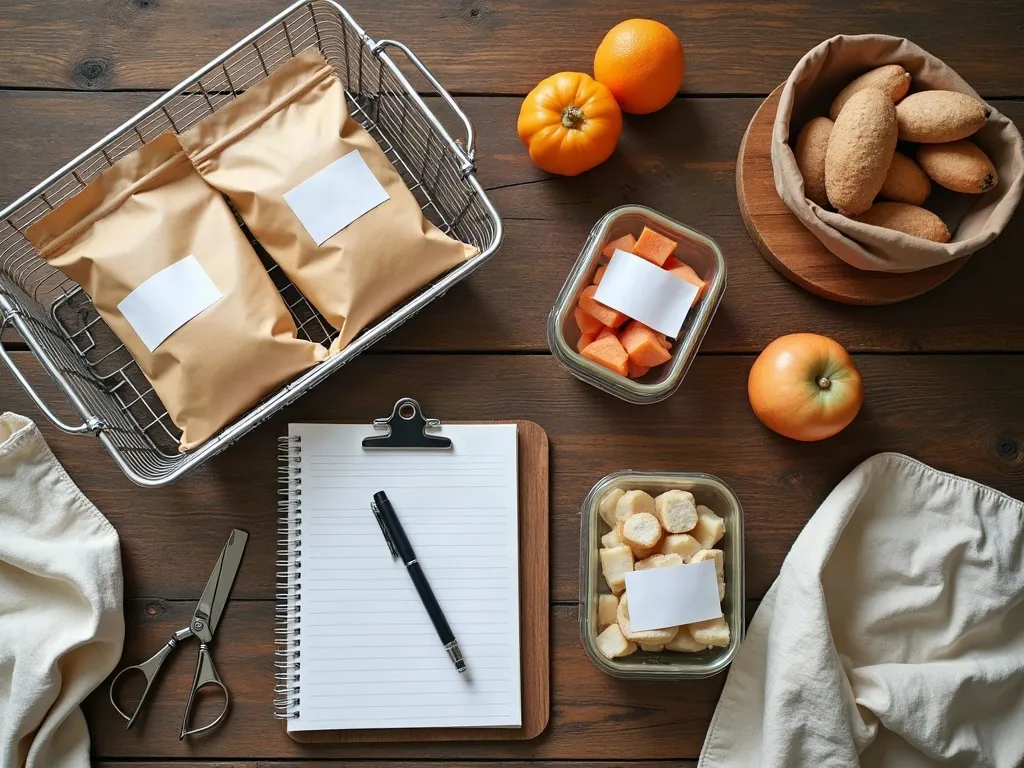
Somewhere around the middle of October most freezers reach their natural state: full, and slightly mysterious. There is a bag of something pale and flat from a Sunday in September, two containers that look identical through the frost, and a foil parcel nobody is quite ready to open. We have spent the fall re-testing the archive’s freezer recipes, and the recipes turned out to be the easy part.
The recipe was never the hard part
Knowing what freezes well is more or less solved here — chili, fajitas, meatloaf, soup, and a long list of stews and braises all come back from the cold without complaint. Our fall freezer notes cover the specifics of which dishes hold up and what we changed on the recipe cards.
The hard part is that a freezer is a pantry you cannot see into. Anything that goes in without a note stays in until someone is brave enough to chip it out, which is how freezer cooking quietly turns into freezer storage.
Ten minutes at the door
The whole system fits on one sheet of paper taped inside the freezer door, with three columns: what, when, how many. You write the line as the container goes in and cross it out as it comes out. No app, no spreadsheet, nothing you have to unlock first. The paper version wins for one unglamorous reason — it is the only part of the freezer you can read without moving anything else.
Pick a fixed moment for it. Sunday evening is the natural one, because you are already in the kitchen and the week has not started eating its own plans yet. Ten minutes is plenty. If a line needs more than four words, it is too detailed: “chili, 10/5, two” is a complete entry.
Label like you will be tired when you read it
Every bag and container gets masking tape and a marker, written before the food goes cold. Contents and date first, because that is the part that decides whether the thing gets eaten. Portions second — “one” meant something different on the Sunday you froze it than it will on a Tuesday. And if it is a full meal, one short reheat note in your own shorthand: skillet from frozen for the chicken fajitas, oven covered until it steams for anything saucy.
You are writing a note to your six o’clock self, who will be hungry and will not remember.
Freeze flat, then file upright
Zip bags pressed flat are the working end of a freezer. Freeze them flat on a sheet pan for an hour or two so they set that way, then stand them up in a crate like folders — flat bags thaw faster than bricks, and you can flip through them the way you would a drawer. Glass containers with locking lids win for anything you will reheat in the same dish; the flat bags win on space, which is why soup portions tend to live in them.
Zones help too, though not for the reason organizing advice usually gives. A shelf for meals, a bin for components, a corner for bread and fruit, and a small drawer for snacks. The point is that you can open the door, look at one zone, and know what kind of answer you are going to get. The snack drawer in particular is worth keeping away from the meal bags, because if they share a shelf, the snacks become dinner.
One freezer meal a week
Then the habit that makes any of this matter: pick one weeknight — the one that reliably goes sideways — and eat whatever has been in the freezer longest. Oldest forward, the same way you would use a pantry shelf. That is the difference between a safety net and a museum, and it is also what keeps the door list from describing food you will never touch.
Eating one meal out of the freezer every week also clears the shelf space for the next time you double a Sunday dinner. The two habits feed each other: the inventory says what is there, and the weekly meal keeps the answer changing.
Tomorrow’s job
None of this needs to be built before it works. Tonight, tape a sheet of paper inside the door, write down the four things you can honestly identify, and move one of them to the refrigerator to thaw overnight — the same note every freezer recipe in the archive already carries.
Ten minutes now, and the next week that goes sideways has an answer already in the house. A freezer does not fix a bad plan. It buys you the evening it would have taken to fix one.