
Doubling Is Not Multiplication
Scaling a recipe up is a set of decisions about pans, timing and cooling rather than a multiplication table — notes on where doubling works and where it quietly goes wrong.
meal prepfreezer mealsexplainerfall cooking
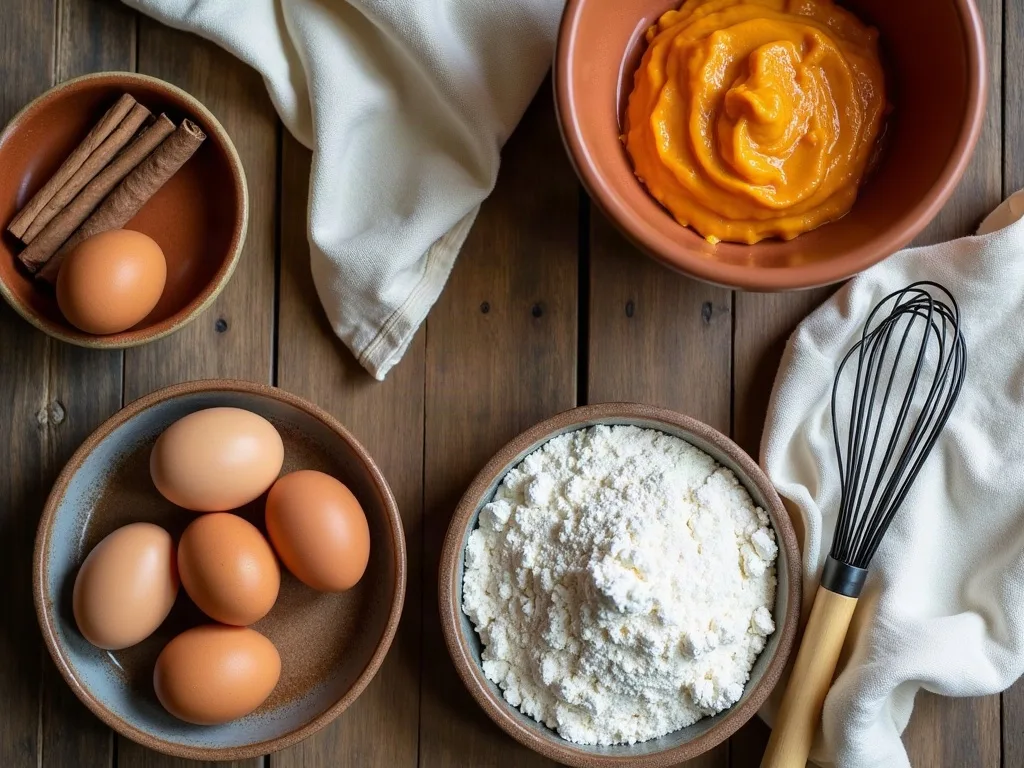
Late October is when the pots get bigger. Not from any decision to cook more, exactly — it’s that the freezer has room again after a summer of ice pops, the holiday calendar is close enough to read, and a pot of chili that covers Tuesday is hardly more work than a pot that covers Tuesday and the following Thursday.
Which is true, and worth acting on. But the arithmetic is the only part of doubling that behaves predictably. Everything else in a kitchen scales by shape, and that’s where a doubled batch starts to surprise people.
Volume doubles; surface area does not
Two litres of stew wants a bigger pot. Two kilos of vegetables wants a second pan.
That second one catches people every year, and it isn’t about vegetables being delicate. Double the volume in the same sheet pan and the layer gets twice as deep. A deep layer of anything wet gives off steam faster than the oven can carry it away, so the vegetables stop roasting and start cooking in each other’s moisture — soft, pale, and somehow both greasy and watery at once. The skillet behaves the same way: a crowded pan is a steamer that happens to be hot. We wrote about the single-layer rule in the weeknight pan notes and it turns out to be the whole story here too.
So look at the vessel before you commit. One wide Dutch oven can take a doubled braise without complaint. One sheet pan cannot take a doubled roast.
Where a bigger batch is a different dish
Leavening is the clearest case. A doubled cake batter poured into a single tin isn’t twice the cake — it’s a different cake, with a centre that needs far longer than the edges can tolerate. Two tins of the original depth is the answer, every time, and it’s also the reason a doubled muffin batter is easy while a doubled single-layer cake is a trap.
Browning has the same shape as the pan problem. More meat in the pot drops the pan’s temperature, and meat that can’t get hot enough releases its moisture and simmers. Brown it in two rounds and the doubled batch tastes like the single one.
For seasoning, we don’t trust the doubling at all. Salt, acid and heat get added to roughly eighty per cent of the doubled quantity, then the pot is tasted and finished at the end. That’s a house habit rather than a rule, but it comes from a real asymmetry: a big batch is easy to correct upward and miserable to correct down.
The clock is the first thing to lose
A larger pot takes longer to come back to a simmer, and longer again to reduce, because there’s more liquid to drive off and more mass holding the heat down. The recipe’s minutes were written for the recipe’s quantity, so on a doubled batch they’re a rough starting point and nothing more. The cues carry the rest — a knife through the densest root, the colour on the underside of a fillet, the reading from the instant-read thermometer, which doesn’t care how much dinner is in the pot.
Cooling is where doubling genuinely changes the rules
Everything above is about how the food turns out. This part is not.
A big pot of something hot, left on the counter, cools from the outside in, and the middle can stay warm long after the edges have given up. The guidance is plain: refrigerate leftovers within about two hours, and if you have a lot of them, divide them into several shallow containers so they cool faster. It’s the same food and the same fridge; the container is the whole difference. Cooked leftovers are generally eaten within three to four days, and a doubled batch makes that window the thing to plan around rather than the thing you discover.
Then the freezer half. A doubled batch frozen as one solid block is a block you have to thaw in order to use any of it. Portion it into what you’ll actually reheat — two-person containers, lunch portions, bags pressed flat and filed upright — and the second half of the batch starts earning its keep instead of waiting to be dealt with.
Double with a destination
The archive’s chicken fajitas were written as a freezer dish from the beginning, and that’s the difference between doubling that works and doubling that quietly becomes waste. When the second half already has an address — Thursday, or the week after next, or a lunchbox on a Tuesday in November — the extra pan is a small amount of work done once. When it doesn’t, you’ve simply made more leftovers than your household eats.
There are dishes we don’t double at all: custards and cheesecakes, where the tin is the recipe; anything deep-fried, because a larger load drops the oil and the crust goes soft; meringues and whipped cream, which don’t survive the wait.
But most of the cold-weather cooking — braises, chilis, trays of roots, a pot of beans, a doubled batch of dough divided between two tins — doubles beautifully, and late October is the friendly moment to notice that. Just decide what the second half is for before you start, and check that you own a second pan.