
The Scale Is Not a Laboratory
A kitchen scale gets bought for precision and put away by December, because precision was never the job. Notes on the three things it actually does — and on the archive's cups, which are better left alone.
kitchen notesexplainerbakingmeal prep
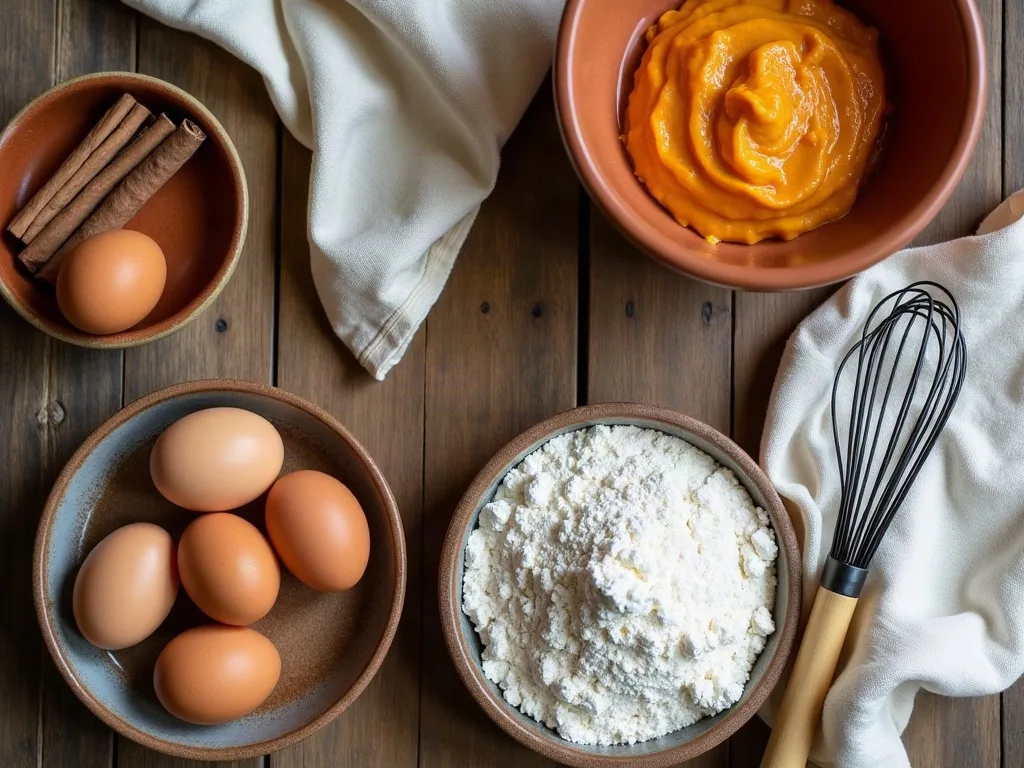
The baking tin comes out in the second week of November, and so does the scale, from the drawer where it has sat since some resolution in January. It gets used for a fortnight of quick breads and then it goes back in the drawer until the next one. That pattern is not laziness. The scale was bought for a job that does not come up in a home kitchen, and the jobs it is genuinely good at were never on the box.
What it was sold as
The pitch is precision. Grams, a bakery, a laboratory bench. And precision is the least interesting thing about it here, because almost nothing that goes wrong in a weeknight kitchen goes wrong by four grams. The other half of the pitch is repeatability, which only pays off if you cook the same thing over and over — and the weeks that actually happen are the ones where Tuesday’s dinner is whatever survived the shop.
So the scale gets judged against a promise it cannot keep, spends eleven months in a drawer, and misses the three things it does better than anything else in the kitchen.
Where a cup stops working
A measuring cup is a good instrument for anything with a steady grain that settles the same way every time: sugar, salt, rice, water. It starts lying the moment the food packs or mounds. A cup of shredded cheddar is not a fixed amount of cheese — it depends on the grater, the hand and how hard the cup was tapped on the counter. The same is true of panko, of chopped greens, of frozen berries going into a crumble, of a scoop of peanut butter that is either a suggestion or a commitment.
The archive’s BBQ cheese meatloaf is a neat illustration, because the card asks for a half cup of panko, a half cup of shredded cheddar and a pound and a half of ground beef. The first two are the loose ones, where two cooks with two cups will disagree without either of them being wrong. The beef is the one the scale is really for, and not for any scientific reason: the pack in the shop is almost never a pound and a half. It is a bit over or a bit under, and the card was written by somebody who had already decided that a pound and a half is what this loaf wants. (The reduced-fat cheddar on that card is the era’s vocabulary — use what is in the refrigerator.) A bowl on the scale, meat in, and the question of what to do with the extra three ounces answers itself.
The bowl goes on first
The whole method is one move, repeated. Bowl on the scale, press the button that sets it back to zero, add the first thing. Zero again, add the second. The scale is patient about order in a way that cups are not, because you never have to stop and go looking for the right size, level it off, and scrape it back into the bag. The hand keeps moving.
That is the honest case for it, and it has nothing to do with accuracy. A weighed ingredient is not a better ingredient. It is an ingredient you did not have to interrupt yourself for, and in a kitchen where the onions are already in the pan, not interrupting yourself is most of the skill.
The number you take away
Then there is the direction almost nobody uses. Put the jar or the bag on the scale, zero it, spoon out what you need. The display goes negative, and the negative number is how much you used. That is the difference between a dish you liked once and a dish you can cook again, and it is how any recipe gets written in the first place: somebody stands in a kitchen with a cup and a spoon, writes down what went in, and cooks it twice more to check.
A scale makes that note-taking nearly free, because it happens while the cooking happens rather than afterwards, from memory, in the wrong units.
Dividing a pot
The other weekly job is splitting something evenly. A pot of chili or a tray of braised something, going into bags for the freezer, is easier to portion by weight than by eye — four bags that hold the same amount lie flat in the same way, and the person who gets the small one does notice, even if they are polite about it. The same goes for a batch of dough that has to become twelve rolls of roughly the same size, or a loaf pan that wants an even split between two tins.
None of this is a claim about eating less of anything. It is about the far more ordinary problem of a pot that is bigger than one dinner, and a freezer that keeps what it is given in the shape it was given in.
What it is bad at
A teaspoon of salt, a quarter teaspoon of pepper, a pinch of anything: a spoon is faster, and the scale’s own tolerance is not fine enough to be worth the trouble at that size. Small amounts belong to spoons.
And the larger limit is that a scale weighs, it does not judge. It will tell you the dough is a certain number of grams and it will not tell you the dough is ready, which is a state and not a number — the argument the bread notes made at the start of the month. A scale is a good assistant to a cook who is paying attention and no help at all to a cook who is hoping to stop.
The archive’s cups stay as they are
The tempting project, once the scale lives on the counter, is to convert every card in the archive to grams. We have not done it and we would not. Those cards are a record of how they were actually cooked, in cups, in an ordinary kitchen, and converting them adds a step of arithmetic without making dinner any better. Worse, it would claim a precision the card never had — a half cup of panko was never an exact figure, and rewriting it as sixty grams does not make it one.
Use the scale at the edges of an old card instead. The pound and a half of beef. The half cup of cheese that could be nearly double depending on who is grating. The pot that has to become four equal bags. The cups in the middle of the recipe are fine where they are.
The scale will go back in the drawer in December, and that is the correct place for it in a month of small dinners. It earns its fortnight twice a year — once when the baking starts, and once when the freezer is being filled — and in between it is a notebook that happens to have a bowl on it.