
Breakfast That Survives a School Morning
The one meal with a hard clock is the one most prep plans leave out. Notes on three make-ahead shapes — a baked tray, jars in the fridge, wraps in the freezer — plus the two-minute habit that puts them where a sleepy hand will find them.
breakfastmeal prepfreezer meals
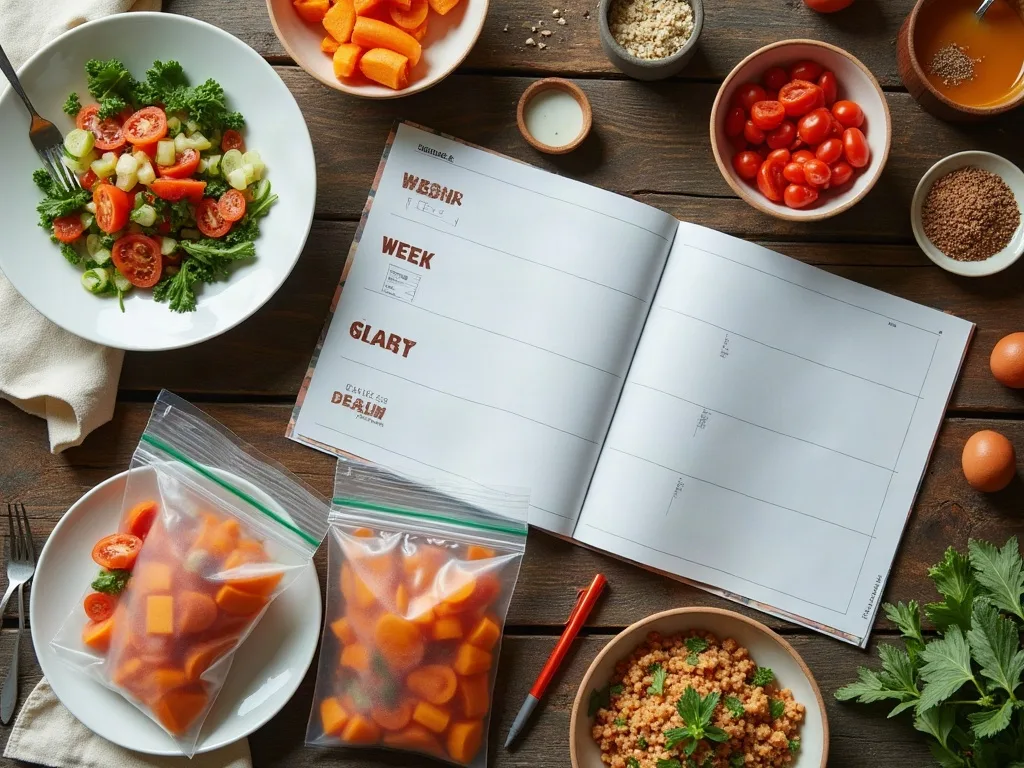
Breakfast is the only meal of the day with a hard clock. Dinner can slide to seven without much consequence; the first meal of the day cannot, because at 7:20 there is a person in the kitchen with one shoe on and no interest whatsoever in making a decision. That is the whole case for doing it ahead of time. Not because mornings ought to be productive, but because a choice made at a calm hour is worth more than a resolution made at 6:40.
We wrote earlier this fall about prepping dinner components rather than complete meals. The same idea pays off faster at breakfast — which is the meal most plans quietly skip, since dinner feels more urgent.
Three shapes, and none of them is a recipe
Almost every make-ahead breakfast is one of three things: something baked in a single pan and cut, something assembled cold in a jar, or something pulled whole out of the freezer. You do not need all three in the same week. Pick one, run it for a few days, and rotate when the household gets bored.
The baked tray is the most forgiving. Oats, milk, an egg, a little melted butter, fruit and a spice go into one dish; or eggs and finely chopped vegetables go into a tray of cups. One pan in the oven, one cooling, and four mornings of portions that only need rewarming. The apple baking notes from earlier this month made the same point about a loaf and a tray of muffins — a single bake, sliced up, is a week of breakfasts that already exist. A tray of baked oatmeal is that idea with less sugar in it.
The jar is the one that needs no oven at all. Oats, milk or yogurt, a spoon of seeds, something sweet if you want it, shaken together at night and left in the refrigerator. The only rule worth keeping is to add soft fruit at the table rather than in the jar, or the second morning tastes like water.
The freezer is where a batch belongs. Wraps or sandwiches made eight at a time take barely longer than making one, and each one wrapped on its own and then dropped into a single bag means a breakfast can leave the house in the time it takes to find a coat.
Keep the wet things away from the bread
The most common way a made-ahead breakfast disappoints is moisture, and it almost always comes from the filling. A wrap that was crisp on Sunday is limp by Wednesday because the vegetables inside were still warm when it was rolled. Cool anything that goes near bread before it goes near bread. Drain cooked vegetables properly, squeeze grated vegetables in a cloth, and keep a wet sauce — salsa, yogurt, a spoonful of tomato — in a small pot to add after reheating. It is the same reason a packed lunch travels with its crisp things separate.
The two minutes that decide the morning
None of the cooking matters if the food is behind something at the back of a shelf. The night-before job is placement, not preparation: move one portion to the front at eye level, put tomorrow’s wrap where a hand will find it without the light on, set the mugs out beside the kettle. A hungry person at 7:15 will eat whatever is nearest. The only reliable way to change what gets eaten is to change what is nearest.
Reheating what you made on Sunday
Short bursts, not long ones. Egg cups and oatmeal squares come back in well under a minute and overcook faster than anyone expects, so pull them while they are just warm rather than piping. A wrap from the freezer, wrapped in a paper towel, takes a couple of minutes with a turn halfway through.
One number is worth keeping in mind here: leftover food should be reheated thoroughly to 165 °F, and cooked food should be in the refrigerator within about two hours of coming off the heat — which is also why a tray of cups should be cooled, covered and chilled the same morning it is baked rather than left on the counter until lunch. The Core Four practices restate the USDA guidance behind both numbers, and the leftover timing (three to four days in the refrigerator) in one short page.
One shelf of the archive that fits
The archive’s 2011 post on going primal approaches mornings from a different direction — eggs, vegetables and fat, with grains and legumes set aside — and the egg-and-vegetable cup is that shape in a pan. We report it as recipe context from the era in which it was written, not as advice about how anyone should eat; the same post’s slow cooker chili is the other end of that day.
Mornings are short and honest, and they reward whoever was awake and unhurried the day before. An hour on a Sunday — one tray in the oven while jars get filled and wraps get folded — and four mornings stop beginning with a question.
Sources
- The Core Four Practices — Fight BAC!fightbac.org