
Half a Recipe Doesn't Halve the Work
Halving looks like the polite version of doubling, and it isn't. The numbers divide, the packages and the tin don't — and the surplus that paid for the effort disappears with them. Notes on which quantities halve honestly, and which meals were never batches in the first place.
meal prepgrocery planningkitchen notes
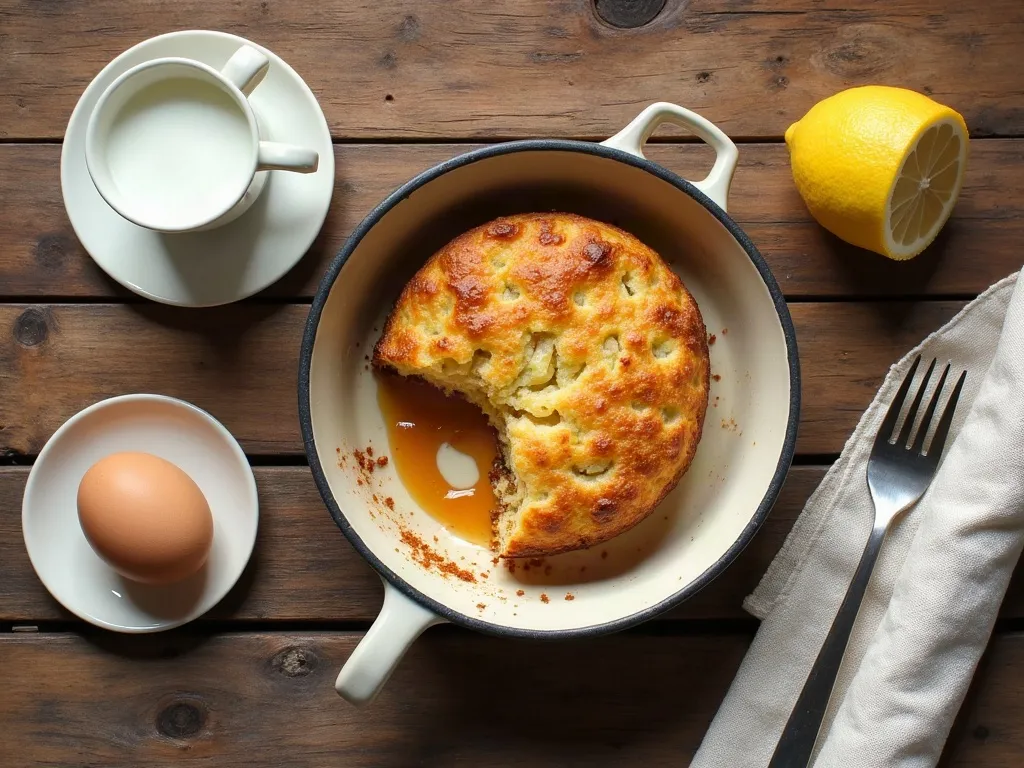
A recipe that serves eight has a way of ending up in a kitchen that feeds two. It gets copied out faithfully, quarter-cup and all, and then somebody stands over it with a pencil working out what half of three-quarters of a teaspoon is. The arithmetic is the easy part. What the pencil cannot do is halve the tin, the pound of mince, the bunch of celery or the evening.
Doubling has a reputation for being the greedy move, the one that fills the freezer and the sink. In practice it is the forgiving one, because a big batch absorbs its own mistakes and leaves something behind. Halving is the one that gets tight. Every quantity that refuses to divide turns into a small separate decision, and the decisions arrive all at once, on a weekday, at twenty past six.
The numbers halve; the packages do not
The list is where it starts to come apart. Mince comes in a pound. Eggs come in a dozen. Celery comes as a whole bunch, and half a batch of soup wants two ribs of it. A can of tomatoes is a can. So a halved recipe does not produce a smaller shopping list so much as a list of the same length with an extra column on it: the half-packages.
Half a pound of mince is not nothing. It is a second ingredient with a date on it and no recipe attached. The freezer holds things without asking anything of you. The refrigerator asks every time the door opens, and the question is always the same one, and the answer is always that you will deal with it tomorrow.
That is the trade nobody writes on the card. Doubling converts effort into stored time: a full pot becomes a bag in the freezer and a night off later in the month, and the night off is the actual payment for the cooking. Halving converts effort into a small obligation sitting at the front of the fridge, and the obligation comes due while you are busy with something else entirely.
The tin is the part nobody halves
A nine-by-thirteen dish is nine by thirteen whatever the recipe does. Halve the batter, pour it into the same dish, and the dish is still the size it was. What comes out is a thin slab: set and slightly dry at the edges, and nothing like the deep, soft middle the card was describing. The recipe was not wrong. It was written for a full tin.
The repair is not a shorter timer, because the problem is not how long the thing is in the oven. The repair is a smaller vessel, which is a purchase, which is a decision the recipe never asked anybody to make at nine in the evening. And a small tin of a bake that was designed to be deep tends to come out as a layer rather than a loaf — the same flavours, eaten with a fork instead of sliced.
The note on doubling already made the other half of this argument in the other direction: that a bigger batch is a different dish, that the clock is the first thing to lose, and that a pot has to be doubled with a destination in mind. Halving runs the same machinery backwards, and it explains the disappointment that a half batch of something familiar so often produces. The full-size tin is doing the damage, not the arithmetic.
Half a batch does not fill a bag
There is a second loss, and it is quieter than the slab.
A big batch pays for itself in surplus. The pot, the board, the pan and the oven are the same pot, board, pan and oven whether they are holding dinner for two or dinner for six, so the work of cooking is nearly fixed and the meals that come out of it are not. Double the volume and the fixed cost is spread over twice as many dinners, and one of those dinners goes in the freezer and gets eaten on a night when nobody has anything left.
Halve the volume and the fixed cost stays exactly where it was, spread over half as many meals. Worse, the surplus that used to be the reward shrinks to a single extra portion — the amount that gets eaten standing up, or spooned into a lunch, or found at the back of a shelf on a day when it is no longer a bonus. So the work per dinner goes up while the food per dinner goes down, which is the opposite of what the pencil promised.
Halve the recipe, not the ingredients
The version that works is a different decision, and it is worth making before the shopping rather than at the hob.
Look down the list and sort it into quantities that divide honestly and quantities that do not. Meat divides. Rice and pasta divide. Stock divides. An onion does not, unless you are prepared to keep half an onion, which is a thing that has never once been used cheerfully. A can does not. A lemon does not. A bunch of herbs does not.
So let the indivisible things stay whole and shrink the ones that divide. The dish that comes out has the same aromatics, the same acidity and the same onion as the full recipe, with less meat and less starch underneath it. It reads as a fuller plate rather than a thinner one, nobody has to manage a half-package, and the only thing the pencil had to halve was the part that halves cleanly.
That is a real adjustment to a recipe rather than a division of it. It is also, in most kitchens, the adjustment that makes the smaller version taste like something somebody chose.
Some dinners were never batches
The other answer is to stop halving things that were only ever cooking in bulk because a card said eight.
A chop with a vegetable is not a half recipe of anything. Neither is a fillet, or a pan of eggs, or pasta for the number of people actually at the table. These take the time they take and they leave nothing over, and because there is no surplus to lose, there is nothing for the freezer to be owed. The work and the meal are the same size, which is the whole point of a small dinner.
A half recipe is a compromise between a card and a household. A small dish is a dish.